Introduction to Aindrī
Aindrī, the 9th yogini, is a significant figure in Hindu mythology, particularly in the context of the 64 yoginis. Her name, Aindrī, is derived from the Sanskrit word ‘Indra,’ meaning ‘lord’ or ‘king.’ This yogini is often depicted with an elephant head, symbolizing strength, wisdom, and good fortune. In this article, we will delve into the mystical world of Aindrī, exploring her characteristics, significance, and the role she plays in the realm of the 64 yoginis.
Characteristics of Aindrī
Aindrī is typically depicted with one face and four arms, riding on an elephant as her vāhana. She is often shown holding a vajra, a symbol of spiritual power and enlightenment, in one of her hands. The vajra represents the destructive aspect of the divine, which is necessary for transformation and spiritual growth. Aindrī’s association with the elephant, both as her vāhana and her head, underscores her connection to wisdom, memory, and longevity.
The color associated with Aindrī is golden, which signifies knowledge, wisdom, and enlightenment. This color is also often linked to the sun, representing the life-giving force and the light that dispels darkness and ignorance. Aindrī’s golden hue, therefore, embodies the radiance and warmth of spiritual knowledge and understanding.
Role in the 64 Yoginis
The 64 yoginis are a group of female deities or energies that are worshipped in various parts of India, particularly in the yogini temples of Odisha and other Eastern states. Each yogini is associated with a particular aspect of the divine feminine and is believed to possess unique powers and attributes. Aindrī, as the 9th yogini, holds a significant position in this pantheon of goddesses, representing wisdom, strength, and the power of spiritual transformation.
Worship and Significance
Aindrī is worshipped by those seeking wisdom, strength, and spiritual growth. Her worship is believed to confer blessings of good fortune, health, and longevity. Devotees often offer prayers and perform rituals to invoke Aindrī’s blessings, seeking her guidance on their spiritual journeys. The significance of Aindrī extends beyond her role as a goddess; she represents the embodiment of feminine power and wisdom, inspiring followers to cultivate these qualities within themselves.
Conclusion
Aindrī, the 9th yogini, is a powerful symbol of wisdom, strength, and spiritual transformation. Through her depiction and attributes, she teaches us about the importance of cultivating inner wisdom, embracing our divine feminine qualities, and striving for spiritual enlightenment. As we explore the mystical world of the 64 yoginis, Aindrī stands out as a beacon of light, guiding us on our journey towards self-discovery and spiritual growth.
- Key aspects of Aindrī include her elephant-headed form, golden color, and association with the vajra.
- She is one of the 64 yoginis, each representing a unique aspect of the divine feminine.
- Aindrī’s worship is believed to confer blessings of wisdom, strength, and good fortune.
Frequently Asked Questions
What is the significance of Aindrī's elephant head?
Aindrī’s elephant head symbolizes strength, wisdom, and good fortune, emphasizing her role as a powerful and wise goddess.
What is the role of the vajra in Aindrī's depiction?
The vajra represents spiritual power and enlightenment, signifying Aindrī’s ability to guide devotees towards spiritual transformation and growth.
Why is Aindrī associated with the color golden?
The color golden is associated with Aindrī because it signifies knowledge, wisdom, and enlightenment, reflecting her role as a goddess of wisdom and spiritual growth.
Test Your Knowledge and Win Coupons to Get Discounts
Related Products & Services
Its her (Paper back)
Exploring the Tantric Path" is a comprehensive guide that delves into the sacred teachings of Tantra through the exploration of…
299
Order on WhatsApp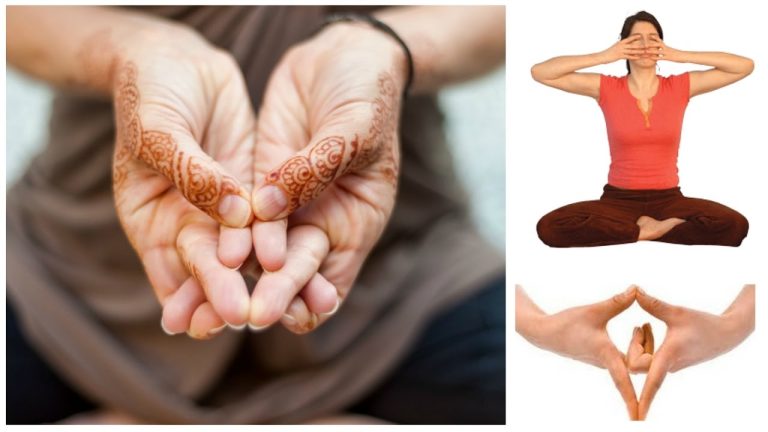
Learn yoni mudra
The Yoni Mudra is a powerful hand gesture that, when combined with specific breathing and mantras, can immediately generate high-frequency…
Order on WhatsApp
Astrology and NLP with kavya.
At Kaviya Devendhiran – NLP Master Practitioner & Life Coach, we help individuals create positive and lasting transformation by changing…
500
Order on WhatsApp
Cosmic engineering and orgasmic continum New age tantra series-1(Paper Back)
Cosmic Engineering And Orgasmic Continuum" is a 2021 spiritual book by Arun Webber that explores Tantra, self-healing, and the nature…
499
Order on WhatsApp
1-on-1 Online Yoga Session with Dolly Nigam
My sessions are suitable for beginners to intermediate practitioners, with personalized guidance based on your goals and abilities. What You'll…
800
Order on WhatsApp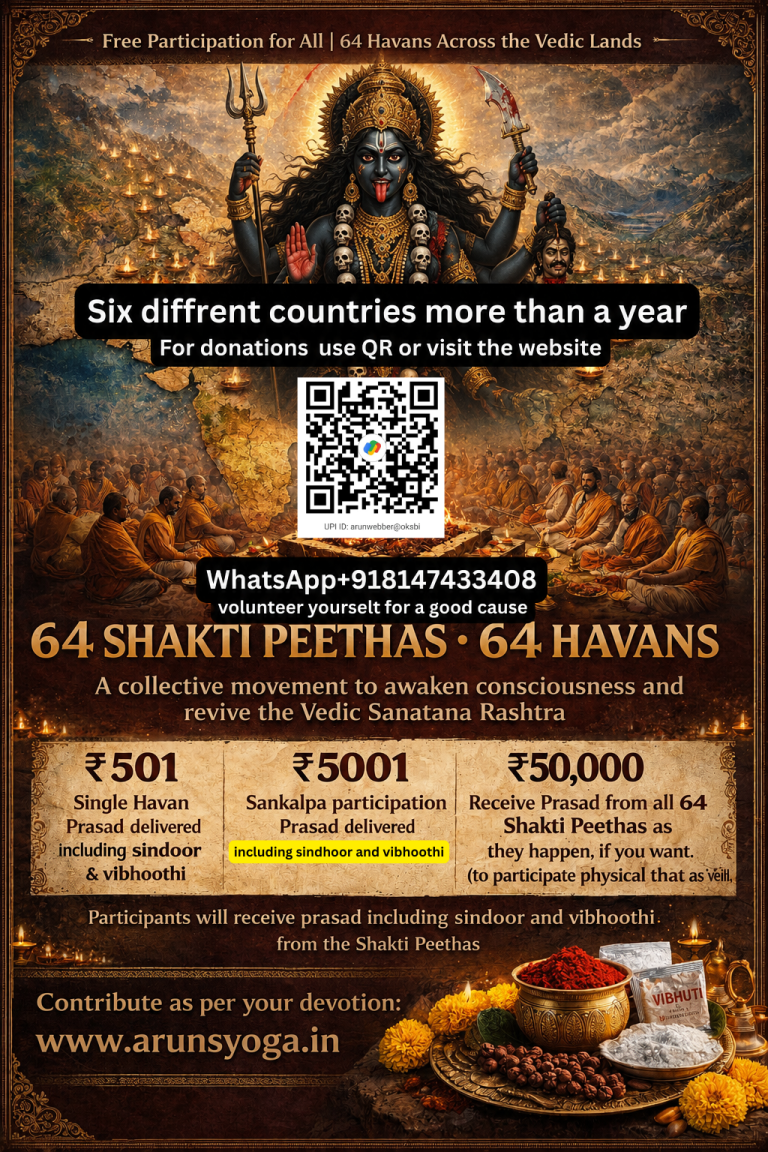
Sponsor the Complete 64 Shakti Peetha Havan Journey
Sponsor the entire 64 Shakti Peetha Havan Yatra and receive sacred prasadam from each Shakti Peetha, delivered to your address.…
50000
Order on WhatsAppHave a correction or improvement to suggest?
Log in or create a free accountRelated Videos

Mystical Wisdom And An Introduction to Kundalini Yoga (Zoom Workshop)

Exploring Mystical Practices and Spiritual Growth

Mystical Wisdom and the Introduction to Kundalini Meditation

Cannabis, Soma, and the Divine: Ancient Wisdom on Psychedelics

Mystical Wisdom and an Introduction to Kundalini Yoga

#5- #9Embark on a Scholar's Odyssey: Unveiling the Wisdom of Brihaspati(Jupitar)

My New Year message and the importance of shakthi and yoginis in coming years. #shakthi #yogini

'The Lion's Wisdom' – Tarot Reading Series Episode No. 2
Leave a Reply