Introduction to Tantra
Tantra is an ancient Indian spiritual tradition that has been practiced for thousands of years. It is a complex and multifaceted system that encompasses various aspects of spirituality, philosophy, and practice. At its core, Tantra is a path that aims to liberate the individual from the limitations of the ego and the conditioning of the mind, allowing them to experience a deeper sense of connection with themselves, others, and the universe.
The Benefits of Studying Tantra for Yoga Practitioners
Studying Tantra can be incredibly beneficial for yoga practitioners, as it provides a deeper understanding of the underlying principles and philosophy of yoga. Tantra offers a unique perspective on the nature of reality, the self, and the ultimate goal of human existence. By exploring the teachings of Tantra, yoga practitioners can gain a more profound understanding of their practice and develop a more nuanced and holistic approach to their spiritual journey.
Key Concepts in Tantra
- Shiva and Shakti: The masculine and feminine principles that underlie the universe, representing the conscious and active aspects of reality.
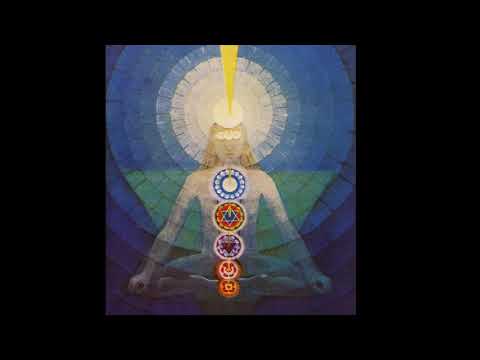
- Kundalini: The dormant energy that lies at the base of the spine, which can be awakened through various practices, such as meditation, yoga, and breathwork.
- Chakras: The energy centers that run along the spine, which correspond to different levels of consciousness and aspects of human experience.
The Practice of Tantra
The practice of Tantra involves a range of techniques and disciplines, including meditation, yoga, breathwork, and ritual. These practices are designed to help the individual cultivate a deeper sense of awareness, clarify their intentions, and align themselves with their highest potential. By embracing the principles and practices of Tantra, yoga practitioners can experience a more profound sense of transformation and growth, both on and off the mat.
Integrating Tantra into Your Yoga Practice
There are many ways to integrate the principles and practices of Tantra into your yoga practice. One approach is to focus on the energetic and spiritual dimensions of the practice, exploring the flow of energy through the body and the connections between the different chakras. Another approach is to incorporate specific Tantric practices, such as meditation, breathwork, or ritual, into your daily routine. By embracing the wisdom and practices of Tantra, you can experience a more profound and transformative yoga practice that nourishes body, mind, and spirit.
Frequently Asked Questions
What is Tantra?
Tantra is an ancient Indian spiritual tradition that aims to liberate the individual from the limitations of the ego and the conditioning of the mind.
How can I apply the principles of Tantra to my yoga practice?
You can apply the principles of Tantra to your yoga practice by focusing on the energetic and spiritual dimensions of the practice, exploring the flow of energy through the body, and incorporating specific Tantric practices, such as meditation, breathwork, or ritual.
What are the benefits of studying Tantra for yoga practitioners?
Studying Tantra can provide a deeper understanding of the underlying principles and philosophy of yoga, offering a unique perspective on the nature of reality, the self, and the ultimate goal of human existence.
Is Tantra a religion?
Tantra is not a religion in the classical sense, but rather a spiritual tradition that encompasses various aspects of philosophy, practice, and culture.
Can I practice Tantra if I'm not a yoga practitioner?
Yes, anyone can practice Tantra, regardless of their background or experience with yoga. Tantra offers a range of practices and perspectives that can be applied to daily life, promoting personal growth, transformation, and spiritual evolution.
Test Your Knowledge and Win Coupons to Get Discounts
Have a correction or improvement to suggest?
Log in or create a free accountRelated Videos

Felicity feline sharing her experience with yoga. #meditation #tantra #yoga

In tantra there are different sounds are used which can heal you in a deeper way.

Why Yoga Isn't Crazy Understanding the True Power Behind the Practice

is your yoga practice just another addiction

Balancing Motherhood and Fitness with Power Practice and Yoga

How Online Yoga Classes and Tutorials Can Transform Your Practice Anytime, Anywhere!
Kundalini Yoga – How It Helps Us To See Reality

Tantra samuchayam and Vaasthu is to construct spiritually correct architecture.




Leave a Reply