Introduction
In Vedic astrology each Nakshatra carries a unique set of symbols, deities, and natural correspondences. Purva Ashadha, ruled by Apah (the water deity) and associated with the element of fire, points devotees toward a particular sacred tree that embodies its energetic qualities. Understanding this tree’s botanical identity, symbolic resonance, and ritual use deepens the practitioner’s connection to the Nakshatra’s guidance.
Botanical Identity of the Purva Ashadha Tree
The classical texts and contemporary astrologers agree that the Mangifera indica, commonly known as the mango tree, serves as the primary sacred tree for Purva Ashadha. The mango’s robust, evergreen nature and its sweet fruit reflect the Nakshatra’s expansive, optimistic, and generous traits. In regional traditions, the Indian gooseberry (Phyllanthus emblica) and the Ficus religiosa (sacred fig) are also mentioned as secondary plants, but the mango remains the most widely recognized.
Key Botanical Features
- Family: Anacardiaceae
- Leaf: Simple, glossy, lance‑shaped, dark green
- Fruit: Fleshy drupe, sweet to tart, golden when ripe
- Habitat: Tropical and subtropical climates across the Indian subcontinent
These characteristics align with Purva Ashadha’s fire element, symbolizing vitality, growth, and the ability to flourish even in challenging conditions.
Symbolic Meaning in the Nakshatra Context
The mango tree’s symbolism operates on several layers:
- Generosity: The tree bears abundant fruit, mirroring Purva Ashadha’s inclination to share knowledge and resources.
- Victory and Success: In ancient Indian epics, victorious warriors are often described as receiving mangoes as trophies, linking the tree to triumph.
- Spiritual Sweetness: The sweet taste represents the inner bliss attained through disciplined practice, a hallmark of the Nakshatra’s spiritual aspirations.
When the moon transits Purva Ashadha, planting or caring for a mango sapling is considered especially auspicious, reinforcing the bond between the individual’s chart and nature’s cycles.
Traditional Significance and Ritual Use
Vedic sages prescribed several remedies and rituals involving the mango tree to balance Purva Ashadha’s strong fire energy:
- Tree Worship (Vriksh Puja): Offering water, incense, and a handful of rice at the base of a mature mango tree on the day of the full moon.
- Fruit Offering: Consuming a ripe mango during the Nakshatra’s auspicious period is believed to enhance confidence and charisma.
- Leaf Decoction: Boiling fresh mango leaves with honey creates a tonic used to soothe emotional turbulence, a common challenge for Purva Ashadha natives.
These practices not only honor the tree but also help the individual channel the Nakshatra’s inherent fire into constructive, creative action.
Integration into Daily Life
Modern practitioners can incorporate the mango tree’s essence without owning a plantation:
- Keep a small potted mango sapling in a sunny window as a visual reminder of growth.
- Use mango‑scented essential oil during meditation to invoke Purva Ashadha’s uplifting vibration.
- Include mango in seasonal diets to align nutritional intake with the Nakshatra’s energetic profile.
By consciously linking daily habits to the sacred tree, one nurtures both personal development and respect for the ancient ecological wisdom embedded in Vedic astrology.
Frequently Asked Questions
What is the primary sacred tree associated with Purva Ashadha?
The mango tree (Mangifera indica).
How does the mango tree symbolize Purva Ashadha's qualities?
It represents generosity, victory, and spiritual sweetness.
Which secondary plant is sometimes linked to Purva Ashadha?
The Indian gooseberry (Phyllanthus emblica).
What ritual involves offering water at the base of the tree?
Vriksh Puja (tree worship).
Why is planting a mango sapling during Purva Ashadha considered auspicious?
It reinforces the connection between the Nakshatra’s energy and natural growth cycles.
Test Your Knowledge and Win Coupons to Get Discounts
Have a correction or improvement to suggest?
Log in or create a free accountRelated Videos
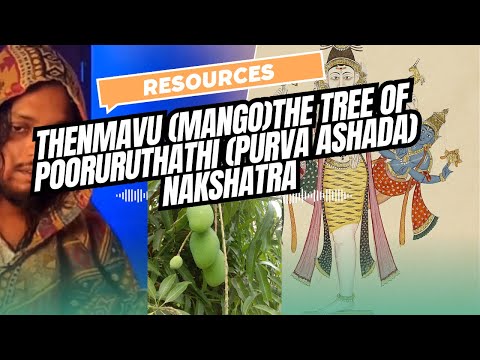
Then mavu (mango)The tree of pooruruthathi(Purva ashada) Nakshatra

Each nakshatra got one one one tree respectively wood apple is one among it.

#20 – #27 Purva Ashada Nakshatra Nakshatra -20

Kriya For Purva Ashada Nakshatra

#11- #27 Purva phalguni Nakshatra. Nakshatra -11

Vanni Maram(Jaand )Tree the tree of avitham nakshatra

Kadambu (Burflower tree) The tree of chathayam nakshatra

#25- #27 Purva bhadrapada Nakshatra -25








Leave a Reply