Introduction to Advaita
Advaita, which means ‘non-duality’ in Sanskrit, is a philosophical concept that suggests the ultimate reality is a unified, all-encompassing consciousness. This idea is central to the Nath Sampradaya tradition, a sect of Hinduism that emphasizes the attainment of self-realization through yoga and meditation.
Origins of Advaita
The origins of Advaita can be traced back to the ancient Indian philosopher Adi Shankara, who lived in the 8th century CE. Shankara’s teachings emphasized the importance of direct experience and personal realization, rather than mere intellectual understanding.
The Principles of Advaita
The core principles of Advaita can be summarized as follows:
- The ultimate reality is a unified, all-encompassing consciousness
- The individual self (jiva) is not separate from the ultimate reality (Brahman)
- The world we experience through our senses is an illusion (maya)
- The goal of life is to attain self-realization and liberation (moksha)
Practicing Advaita
To practice Advaita, one must cultivate a deep sense of awareness and introspection. This can be achieved through various techniques such as meditation, yoga, and self-inquiry.
Regular meditation practice helps to quiet the mind and reveal the true nature of reality. Yoga, which includes physical postures, breathing techniques, and meditation, helps to balance the body, mind, and spirit.
Self-inquiry, or the practice of questioning one’s own thoughts and assumptions, is also an essential aspect of Advaita. By examining our own beliefs and biases, we can gain a deeper understanding of ourselves and the world around us.
Conclusion
In conclusion, Advaita is a profound and complex philosophical concept that offers a unique perspective on the nature of reality. By embracing the principles of Advaita and practicing meditation, yoga, and self-inquiry, we can gain a deeper understanding of ourselves and the world, and ultimately attain self-realization and liberation.
Frequently Asked Questions
What is Advaita?
Advaita is a philosophical concept that suggests the ultimate reality is a unified, all-encompassing consciousness.
What is the goal of Advaita?
The goal of Advaita is to attain self-realization and liberation (moksha).
How can I practice Advaita?
You can practice Advaita through meditation, yoga, and self-inquiry.
Test Your Knowledge and Win Coupons to Get Discounts
Have a correction or improvement to suggest?
Log in or create a free accountRelated Videos
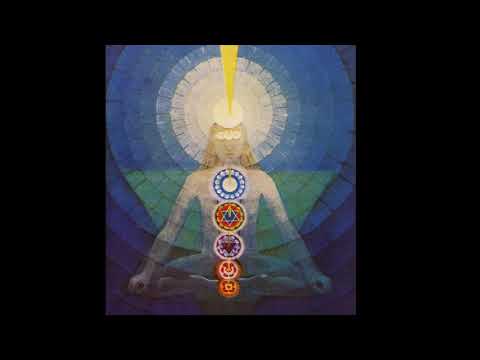
Kundalini Yoga – How It Helps Us To See Reality

Felicity feline sharing her experience with yoga. #meditation #tantra #yoga

#130 Sri adi shankar. Sheshadri swamigal asrm @thiruvannamalai.

Why Yoga Isn't Crazy Understanding the True Power Behind the Practice

Kundalini Yoga Level 1 – A Simple Meditation Technique To Transmute Your Sexuality Into Creativity

To experience reality we need to change the pattern of thought. Please learn to unlearn.

Prakruthi is the ultimate nature of the core feminine.

Dream yoga can helps you to be more awoke.








Leave a Reply