Who Is Kshetrapala?
Kshetrapala (Sanskrit: kṣetrapāla) translates literally to “guardian of the field” or “protector of the sacred space.” In Vedic and later Puranic literature, this deity is invoked to safeguard temples, shrines, and any consecrated ground from negative influences, theft, and spiritual contamination.
Mythological Roots and Evolution
The earliest references to a protective spirit of the field appear in the Rigveda, where the term describes a divine presence that watches over agricultural lands. Over centuries, the concept shifted from agrarian guardianship to the protection of sacred architecture as Hindu worship became increasingly temple‑centric.
From Fields to Temples
By the time of the Mahabharata and the Ramayana, Kshetrapala is explicitly linked to the sanctity of a kshetra—the consecrated ground surrounding a deity’s image. The protector is often depicted as a fierce figure, sometimes resembling a yaksha or a minor form of Shiva, wielding a club or a sword.
Iconography and Symbolic Elements
Artistic depictions of Kshetrapala vary by region, but certain symbols recur:
- A club or mace, signifying the power to crush evil.
- Guarding posture, often standing at the temple entrance.
- Association with a lion or tiger, representing raw strength.
- Sometimes shown with a dharmachakra to denote the maintenance of dharma within the precinct.
These elements underscore the deity’s role as both a physical and metaphysical shield.
Rituals and Worship Practices
Devotees do not typically perform elaborate puja solely for Kshetrapala, but the deity is invoked during major temple ceremonies:
- During the pratishta (consecration) of a new shrine, a short mantra is recited to call upon Kshetrapala’s protection.
- Daily nitya rituals often begin with a brief offering of incense and a verbal request for the guardian’s vigilance.
- In some South Indian temples, a small bronze statue of Kshetrapala is placed near the main doorway, receiving a daily sprinkling of water.
The underlying belief is that without Kshetrapala’s watchful eye, the sanctity of the space could be compromised.
Comparisons with Other Guardian Deities
While Kshetrapala focuses on the protection of a physical location, other deities such as Vishnu’s Vasudeva guard moral order, and Shiva’s Bhairava serves as a guardian of thresholds. Kshetrapala’s niche is unique: it bridges the tangible (walls, doors) with the intangible (spiritual purity).
Modern Relevance
In contemporary Hindu practice, the concept of a “guardian of the space” persists in the form of security personnel, ritual cleaners, and community volunteers who maintain temple grounds. The ancient name Kshetrapala reminds believers that safeguarding sacredness is both a divine and human responsibility.
Frequently Asked Questions
What does the name Kshetrapala literally mean?
It means ‘guardian of the field’ or ‘protector of the sacred space.’
Which Vedic text first mentions a protective spirit of the field?
The Rigveda.
What common weapon is Kshetrapala depicted with?
A club or mace.
Is Kshetrapala usually the focus of a standalone worship ritual?
No, he is typically invoked during other temple ceremonies.
Test Your Knowledge and Win Coupons to Get Discounts
Have a correction or improvement to suggest?
Log in or create a free accountRelated Videos

Navaratri day 1 havan for devi shailaputri.

packing prasad to everyone who has contributed on srisailam havan.

Jogulamba Temple The Next Havan location 6th of 64

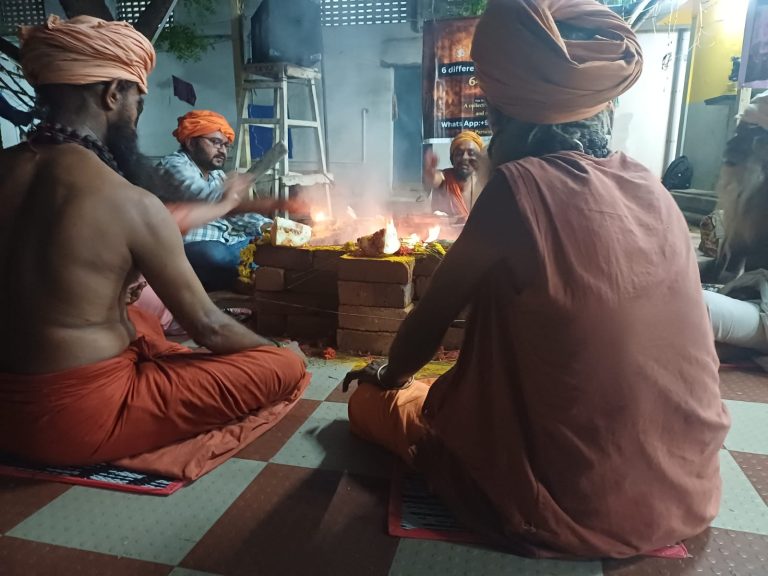
5th Havan of the 64 Shakti Peeth Havan — Srisailam

Fifth havan out of 64 in srisailam.

At India's largest tiger reserve getting ready for our fifth havan. all are welcome

Pvt group initiation into yoni mudra and tantra @mysore.

Kali yantra bags are available









Leave a Reply