Introduction to Chinnamastā
Chinnamastā, the 20th yogini, is a fierce and complex goddess in Hindu mythology. Her name, which translates to ‘the beheaded one,’ reflects her unique form: a self-decapitated goddess who holds her own severed head in one hand and a sword in the other. This powerful symbol of feminine energy and spiritual transformation is often depicted standing on a lotus, emphasizing her connection to the divine and the natural world.
Symbolism and Attributes
Chinnamastā’s red color signifies her association with the root chakra and her role as a protector and guardian. Her single face represents her unwavering focus and determination. With two arms, she embodies the balance between giving and receiving, action and contemplation. The lotus she stands on is a symbol of spiritual growth, enlightenment, and the transcendence of worldly attachments.
Her sword is a potent symbol of discernment and the ability to cut through illusions, representing her capacity to distinguish between reality and Maya (illusion). Although the specific mudrā (hand gesture) associated with Chinnamastā needs further reference, mudrās in general are used in yogic and tantric practices to seal and direct energy within the body, facilitating spiritual advancement and self-realization.
Bhairava and Tantric Practices
Bhairava, the consort or counterpart of Chinnamastā, plays a vital role in tantric rituals and practices. The dynamic between Chinnamastā and Bhairava represents the union of opposites (Shiva and Shakti), which is central to tantric philosophy. This union symbolizes the reconciliation of contradictory forces within the universe and the self, aiming to achieve a state of ultimate reality and liberation. Further reference is needed to delve into the specifics of their relationship and the practices associated with them.
Relevance and Worship
Chinnamastā is worshiped in various yogini temples across India, particularly in Odisha and other parts of Eastern India. Her worship is deeply rooted in tantric traditions and is believed to offer protection, strength, and spiritual enlightenment to her devotees. The practice of worshiping Chinnamastā involves intricate rituals, including the recitation of mantras, the offering of specific flowers and foods, and the performance of particular mudrās and meditations.
For those seeking to connect with Chinnamastā on a deeper level, it is essential to approach her worship with respect, knowledge, and a pure heart. Understanding her symbolism, attributes, and the tantric principles she embodies can enhance one’s spiritual journey and facilitate a more profound connection with this powerful yogini.
Frequently Asked Questions
What is the significance of Chinnamastā's self-decapitation?
Chinnamastā’s self-decapitation symbolizes her transcendence of the ego and her ability to see beyond the limitations of the material world, reflecting a deep level of spiritual awareness and detachment.
What does the lotus symbolize in Chinnamastā's depiction?
The lotus represents spiritual growth, enlightenment, and the ability to rise above worldly attachments, signifying Chinnamastā’s connection to the divine and the natural world.
What role does Bhairava play in relation to Chinnamastā?
Bhairava, as the consort of Chinnamastā, represents the masculine principle in tantric philosophy, symbolizing the union of opposites (Shiva and Shakti) that aims to achieve a state of ultimate reality and liberation.
Test Your Knowledge and Win Coupons to Get Discounts
Related Products & Services
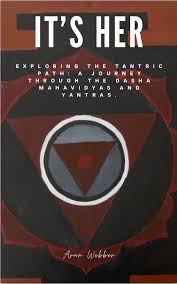
Its her (Paper back)
Exploring the Tantric Path" is a comprehensive guide that delves into the sacred teachings of Tantra through the exploration of…
299
Order on WhatsApp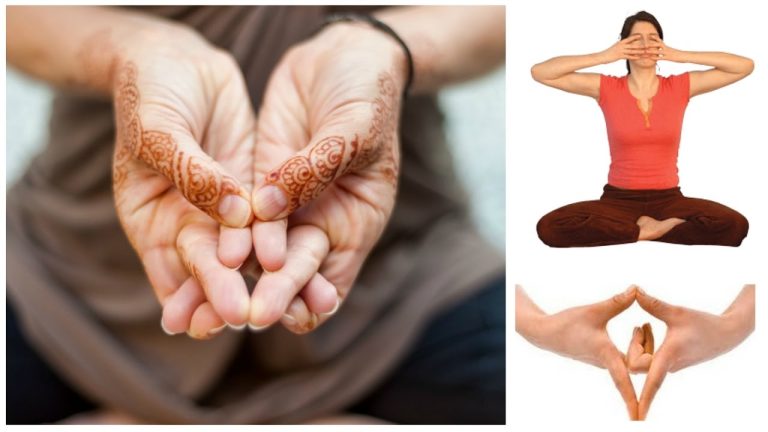
Learn yoni mudra
The Yoni Mudra is a powerful hand gesture that, when combined with specific breathing and mantras, can immediately generate high-frequency…
Order on WhatsApp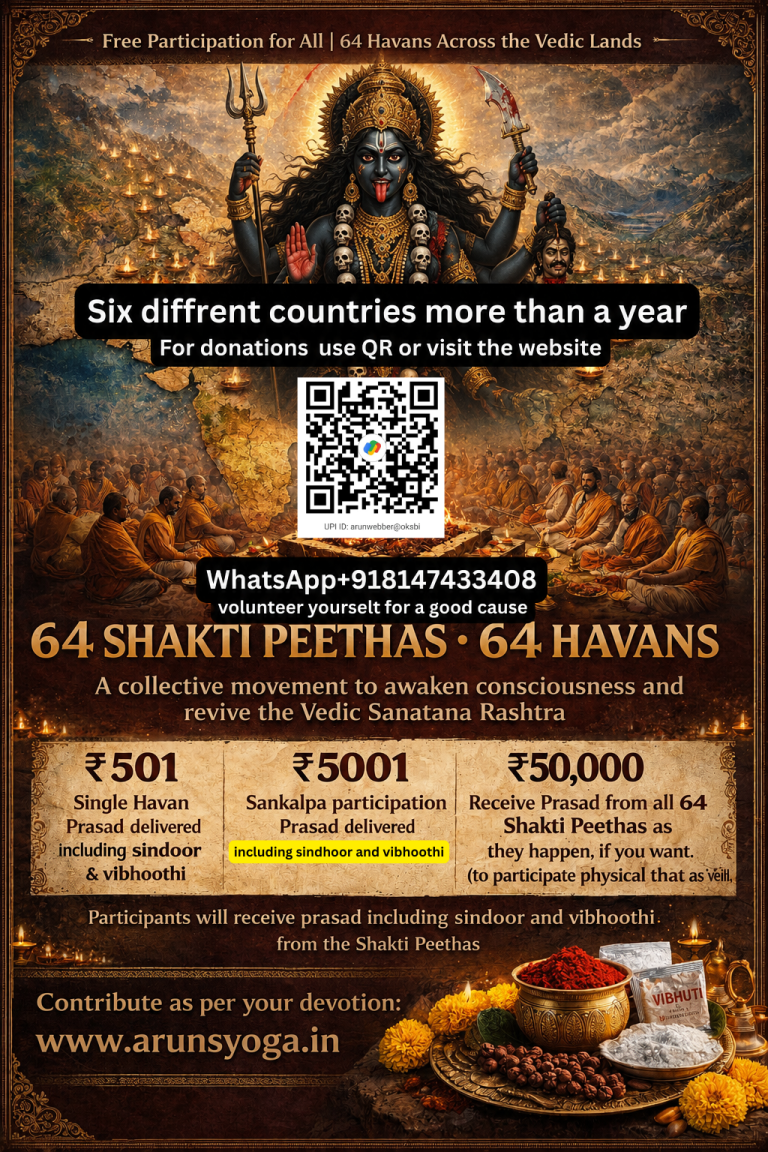
Sponsor the Complete 64 Shakti Peetha Havan Journey
Sponsor the entire 64 Shakti Peetha Havan Yatra and receive sacred prasadam from each Shakti Peetha, delivered to your address.…
50000
Order on WhatsApp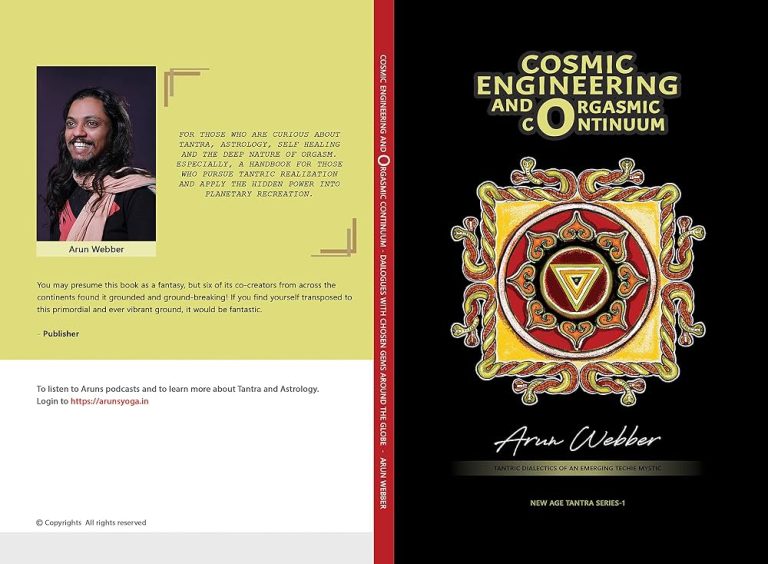
Cosmic engineering and orgasmic continum New age tantra series-1(Paper Back)
Cosmic Engineering And Orgasmic Continuum" is a 2021 spiritual book by Arun Webber that explores Tantra, self-healing, and the nature…
499
Order on WhatsApp
Perform a Sankalpa During Our Next Shakti Peetha Havan
Offer a Sankalpa for your specific intention during our next Shakti Peetha Havan. We will include your prayer in the…
5000
Order on WhatsApp
Receive Prasadam from the Next Shakti Peetha on Our 64 Shakti Peetha Havan Journey
We are conducting a 64 Shakti Peetha Havan. Receive the sacred prasadam from our next Havan, delivered directly to your…
500
Order on WhatsAppHave a correction or improvement to suggest?
Log in or create a free accountRelated Videos

Is Tantric practices involves male and female??

Creating a #space for #tantric practices are #essential. #shorts

Chinnamasta the goddess of intimacy sexuality and conscious union.

The Esoterism Of Tantric Enlightenment In World Religions – Vedic Reading Series Episode No. 5

This is why mudras are the intense scientific way to work with energy.

Chinnamasta the goddess of sacrifice. #mahavidyaPendant -6 #mahavidya #yantra #pendant

Exploring Mystical Practices and Spiritual Growth

Is Taantric practices are banned in India?
Leave a Reply