Introduction to Jayā
Jayā, the 38th yogini, is a fascinating figure in Hindu mythology, particularly within the context of the 64 yoginis. Each yogini is unique, with distinct attributes that set her apart from the others. Jayā, with her human form, rides a lion as her vahana and wields a shield as her weapon. Understanding these attributes and their significance can provide insight into the mystical and symbolic world of the yoginis.
The Significance of the Lion Vahana
The lion, as a vahana, symbolizes courage, strength, and royalty. It is not uncommon for deities and powerful beings in Hindu mythology to be associated with lions, underscoring their fearless and commanding presence. Jayā’s association with the lion highlights her powerful and fearless nature, attributes that are revered and aspired to in the spiritual journey of a yogi or yogini.
The Shield: A Symbol of Protection
The shield, as Jayā’s weapon, serves as a symbol of protection and defense. In the context of spiritual practices, the shield can represent the protection of one’s spiritual energy and the defense against negative influences. It signifies Jayā’s role as a guardian and protector, not just of the physical realm but also of the spiritual.
The Mystical Mudrā and Bhairava
While specific details about Jayā’s mudrā and her associated Bhairava are less documented, it is essential to understand that each yogini’s mudrā (hand gesture) and Bhairava (her counterpart in tantric practices) hold profound significance. The mudrā can represent the yogini’s specific energy or mantra, while the Bhairava signifies the union of the masculine and feminine principles, leading to spiritual enlightenment.
Practices and Worship
The worship and invocation of Jayā, like other yoginis, involve specific rituals and mantras. Practitioners believe that by invoking these deities, one can attain spiritual growth, protection, and enlightenment. The practices are often shrouded in mystery and require a deep understanding of tantric principles and rituals.
- Mantra Recitation: Specific mantras are associated with each yogini, believed to invoke their powers and blessings.
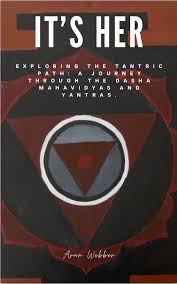
- Yantra Worship: Yantras, geometric diagrams, are used to represent the yogini and are worshiped to connect with her energy.
- Meditation and Yoga: Practices that aim to balance and elevate one’s energy, preparing the practitioner for higher states of consciousness.
Conclusion
Jayā, the 38th yogini, presents a captivating blend of strength, protection, and spiritual growth. Through her attributes and the practices associated with her worship, practitioners seek to embody these qualities, navigating the profound world of the 64 yoginis. As we delve deeper into the mysteries of Jayā and her counterparts, we uncover not just the mythology but also the timeless wisdom and spiritual practices that these figures represent.
Frequently Asked Questions
What is the significance of the lion as Jayā's vahana?
The lion symbolizes courage, strength, and royalty, highlighting Jayā’s powerful and fearless nature.
What does the shield represent in Jayā's attributes?
The shield serves as a symbol of protection and defense, both physically and spiritually.
How do practitioners invoke Jayā's powers?
Practitioners invoke Jayā’s powers through specific rituals, mantras, and the worship of associated yantras.
What is the role of mudrā and Bhairava in Jayā's Worship?
The mudrā represents Jayā’s specific energy or mantra, while the Bhairava signifies the union of masculine and feminine principles for spiritual enlightenment.
What are the benefits of worshiping Jayā?
Worshiping Jayā is believed to provide spiritual growth, protection, and enlightenment to the practitioner.
Test Your Knowledge and Win Coupons to Get Discounts
Have a correction or improvement to suggest?
Log in or create a free accountRelated Videos

packing prasad to everyone who has contributed on srisailam havan.

Jogulamba Temple The Next Havan location 6th of 64

5th Havan of the 64 Shakti Peeth Havan — Srisailam

Fifth havan out of 64 in srisailam.

At India's largest tiger reserve getting ready for our fifth havan. all are welcome

Pvt group initiation into yoni mudra and tantra @mysore.

Kali yantra bags are available

Tantrik workshop with satyama




Leave a Reply