What the Ashes Represent in Aghora Practice
In Aghora, ash is not merely a residue of fire; it is the visual reminder that the material world is impermanent. Practitioners smear vibhuti—the sacred ash—on their bodies to signify the dissolution of ego and the return to the primordial dust from which all beings emerge.
Vibhuti is created by burning cow dung, wood, or herbal offerings in a ritual fire. The resulting fine powder is mixed with water or oil and applied to the forehead, arms, and chest. This act is both a purification and a declaration that the practitioner embraces the transient nature of existence.
Why Ash Becomes a Tool for Transcendence
By coating the skin with ash, Aghora adherents symbolically erase the marks of social identity—caste, gender, status—allowing the soul to confront the ultimate truth: that all forms return to ash. This visual cue is constantly present, guiding meditation on death and rebirth.
Skulls as Mirrors of Impermanence
Skulls, or kapala, dominate Aghora iconography. They serve as stark reminders that the body, once alive, becomes a hollow vessel. The skull’s empty eye sockets are often interpreted as windows through which the practitioner can see beyond ordinary perception.
In many Aghora temples, a skull cup is used to hold offerings such as milk, honey, or wine. The act of drinking from a skull reinforces the acceptance of mortality and the willingness to partake in the cycle of creation and destruction.
Symbolic Layers of the Skull
- Mortality: The skull visualizes the inevitable end of physical life.
- Transformation: It represents the transformation of the self when ego is stripped away.
- Power: In tantric practice, the skull is a vessel for channeling potent energies.
Death as a Portal to Transformation
Death in Aghora is not feared; it is revered as the ultimate gateway to liberation. The tradition teaches that by confronting death directly—through meditation on the cremation ground, the use of skulls, and the application of ash—practitioners can transcend the fear that binds ordinary consciousness.
Stories of Aghora saints describe them sitting calmly amidst funeral pyres, chanting mantras that turn the roar of flames into a hymn of inner awakening. This fearless stance is what allows the practitioner to experience turiya, the fourth state of consciousness beyond waking, dreaming, and deep sleep.
Practical Steps for Integrating Death Imagery
Modern seekers can incorporate these symbols without extreme asceticism:
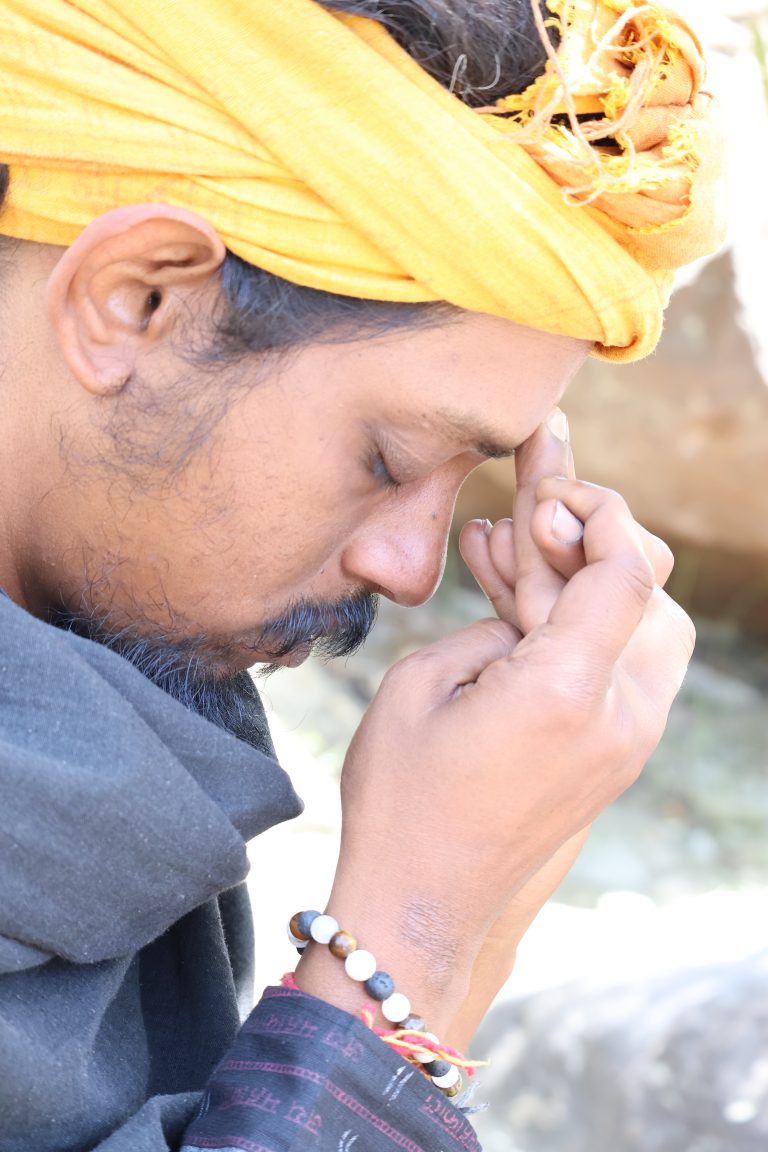
- Apply a thin line of ash on the forehead during daily meditation to remind yourself of impermanence.
- Place a small skull-shaped incense holder on your altar as a visual cue of transformation.
- Contemplate a personal loss or the seasonal cycle as a metaphor for death and rebirth.
These practices anchor the abstract philosophy of Aghora in everyday life, turning fear into fertile ground for spiritual growth.
Frequently Asked Questions
What is the primary purpose of applying ash in Aghora rituals?
It symbolizes the dissolution of ego and the impermanent nature of the material world.
Why are skulls central to Aghora iconography?
Skulls remind practitioners of mortality and serve as vessels for transformative energy.
How does Aghora view death?
Death is seen as a portal to liberation, not as something to be feared.
Can modern practitioners use Aghora symbols without extreme asceticism?
Yes, they can incorporate ash and skull imagery in daily practice to reinforce impermanence.
Test Your Knowledge and Win Coupons to Get Discounts
Have a correction or improvement to suggest?
Log in or create a free accountRelated Videos

#86 Chausath yoginj temple @Hirapur Yoginj No -36 Aghora

The death.

#148 Yama is the lord of bharani nakshatra. And the god of death. 2-27

Meaning Of Card Death

why death is comedy and my journey from shiva to krishna consciousness

What you should be having after you died. #death #medium #spirits #shorts

Fourth state of consciousness

I have spoken to people who are dying and this is what I saw. #death #spirits #reality #shorts






Leave a Reply