Introduction
Kulasāra Tantra occupies a distinctive place in the broad family of Kaula Agamas. While many tantric texts focus on elaborate cosmologies, Kulasāra emphasizes the lived experience of the divine lineage, or kula, as a means to transform everyday existence.
Historical Background
The composition of Kulasāra Tantra is generally dated to the early medieval period, roughly between the 9th and 11th centuries CE. Scholars link its emergence to the flourishing of tantric centers in eastern India, especially around the regions of Bengal and Assam. The text draws on earlier Shaiva and Shakta sources, yet it reorganizes them around the concept of the guru‑disciple family, or kula, as the primary vehicle for spiritual transmission.
Manuscript evidence indicates that the work was transmitted both orally and in written form, allowing it to adapt to regional rituals while preserving a core doctrinal core. Its spread was aided by wandering yogis who integrated Kulasāra teachings into existing Kaula lineages.
Core Teachings
The Concept of Kula
At the heart of the tantra is the idea that the divine manifests through a lineage of teachers, each embodying a specific aspect of Shakti. The kula is not merely a social unit but a spiritual matrix where the aspirant receives initiation, mantra, and the inner fire (agni) needed for transformation.
Threefold Path
Kulasāra outlines a three‑stage path:
- Śravaṇa – listening to the guru’s teachings and internalizing the mythic narratives.
- Mantra‑Sādhanā – repeated recitation of specific seed syllables that align the practitioner with the deity’s energy.
- Sādhana – ritual practice that combines mudrās, yantras, and controlled breath to awaken Kundalini within the body’s subtle channels.
Ethical Framework
Unlike some tantric systems that prioritize transgressive acts, Kulasāra stresses ethical conduct within the family context. Honesty, fidelity, and respect for the guru are presented as essential supports for the subtle work of transformation.
Ritual Practices
Typical rituals involve the construction of a miniature altar (pīṭha) representing the guru’s body, the offering of symbolic foods, and the chanting of the Kulasāra Mantra: “Om Kulasāra Devi Namah.” These practices are often performed in a secluded space known as the kula‑kṣetra, which can be a dedicated room or a temporary shrine set up for a specific ceremony.
Advanced practitioners may engage in the āśraya‑yoga, a meditative visualization that merges the practitioner’s subtle body with that of the lineage deity, thereby experiencing a temporary dissolution of individual boundaries.
Contemporary Relevance
In modern Kaula circles, Kulasāra Tantra is valued for its emphasis on community and lineage integrity. Teachers adapt its rituals to contemporary settings, often substituting traditional offerings with symbolic gestures that respect ecological concerns.
Furthermore, the text’s focus on ethical conduct resonates with current discussions about consent and power dynamics within spiritual communities, making Kulasāra a useful framework for responsible tantric practice today.
Conclusion
Kulasāra Tantra offers a balanced blend of historical depth, practical guidance, and ethical clarity. By honoring the lineage and integrating disciplined practice, seekers can experience a living embodiment of Shakti that is both ancient and profoundly relevant to modern life.
Frequently Asked Questions
When was Kulasāra Tantra likely composed?
Between the 9th and 11th centuries CE.
What is the primary vehicle for transmission in Kulasāra Tantra?
The guru‑disciple family, or kula.
Which mantra is central to Kulasāra practice?
Om Kulasāra Devi Namah.
How does Kulasāra Tantra view ethical conduct?
It stresses honesty, fidelity, and respect for the guru as essential.
Test Your Knowledge and Win Coupons to Get Discounts
Have a correction or improvement to suggest?
Log in or create a free accountRelated Videos

Creating a #space for #tantric practices are #essential. #shorts

Importance Of Mudras In Tantra Sadhana And Visualization

Is Tantric practices involves male and female??

Prakruthi is the ultimate nature of the core feminine.

Felicity feline sharing her experience with yoga. #meditation #tantra #yoga

When I work with the #body of #people. #shorts

This is why mudras are the intense scientific way to work with energy.
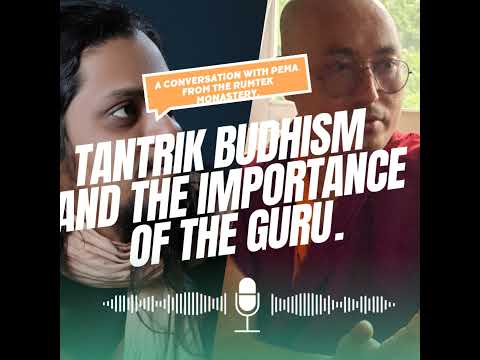
Tantrik budhism and the importance of The guru – A conversation with pema from the rumtek MONASTERY.










Leave a Reply