Introduction to Pranayama
Pranayama, the practice of breath control, is a fundamental aspect of yoga and tantric traditions. The word ‘Pranayama’ is derived from the Sanskrit words ‘prana’ meaning life force and ‘ayama’ meaning control. This ancient practice involves various breathing techniques that aim to balance the body’s energy, calm the mind, and prepare the practitioner for meditation and spiritual growth.
History and Philosophy of Pranayama
Pranayama has its roots in ancient India, where it was practiced by yogis and tantric practitioners to achieve spiritual enlightenment. The practice is based on the concept that the breath is the bridge between the physical and spiritual worlds. By controlling the breath, practitioners can control the mind and access higher states of consciousness.
Types of Pranayama
There are several types of Pranayama practices, each with its own unique benefits and effects. Some of the most common types of Pranayama include:
- Ujjayi (Ocean Breath): a slow, soothing breath that calms the mind and body
- Bhastrika (Bellows Breath): a rapid, energizing breath that stimulates the nervous system
- Kapalabhati (Breath of Fire): a rapid, cleansing breath that purifies the body and mind
- Alternate Nostril Breathing: a balancing breath that harmonizes the left and right hemispheres of the brain
Benefits of Pranayama
The regular practice of Pranayama offers numerous benefits, including:
- Reduced stress and anxiety
- Improved sleep quality
- Increased oxygenation of the body
- Enhanced mental clarity and focus
- Boosted immune system
Pranayama in Tantric Traditions
In tantric traditions, Pranayama is practiced as a means of awakening the kundalini energy, a dormant energy that lies at the base of the spine. The practice involves various breathing techniques, mantras, and visualizations to awaken and raise the kundalini energy, leading to spiritual enlightenment and self-realization.
Frequently Asked Questions
What is Pranayama?
Pranayama is the practice of breath control, which involves various breathing techniques to balance the body’s energy, calm the mind, and prepare the practitioner for meditation and spiritual growth.
What are the benefits of Pranayama?
The regular practice of Pranayama offers numerous benefits, including reduced stress and anxiety, improved sleep quality, increased oxygenation of the body, enhanced mental clarity and focus, and boosted immune system.
How does Pranayama relate to tantric traditions?
In tantric traditions, Pranayama is practiced as a means of awakening the kundalini energy, a dormant energy that lies at the base of the spine, leading to spiritual enlightenment and self-realization.
Test Your Knowledge and Win Coupons to Get Discounts
Related Products & Services
Tantrik yoga retreat with satyama.
Imagine a week where grand life lessons in love, spirituality and your sexuality can happen every day with a small…
€2,000
Connect on whatsapp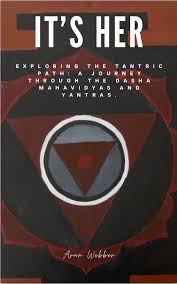
Its her (Paper back) Signed By Arun
Exploring the Tantric Path" is a comprehensive guide that delves into the sacred teachings of Tantra through the exploration of…
₹299
Order on WhatsApp
🌿 Private and Group Hatha, Vinyasa & Yoga Nidra Sessions with Lyubov
🔱Hatha, vinyasa yoga 🔱Yoga nidra 🌿What it will give?: ballance, inner peace, mindfulness, emotional release, relaxation, flexibility, strength, improve the…
₹0
Connect on whatsapp
1-on-1 Online Yoga Session with Dolly Nigam
My sessions are suitable for beginners to intermediate practitioners, with personalized guidance based on your goals and abilities. What You'll…
₹800
Connect on whatsapp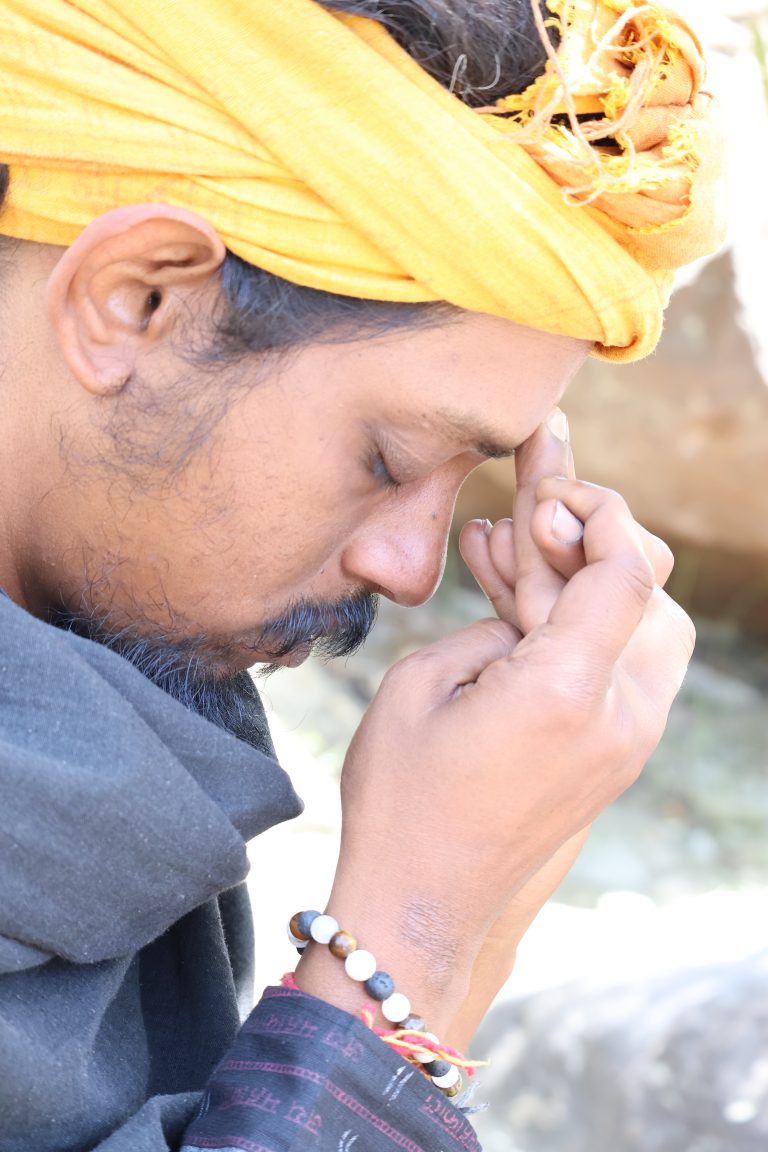
Learn yoni mudra Meditation With Arun.(Private , Group Online and Offline )
The Yoni Mudra is a powerful hand gesture that, when combined with specific breathing and mantras, can immediately generate high-frequency…
₹1,250
Order on WhatsApp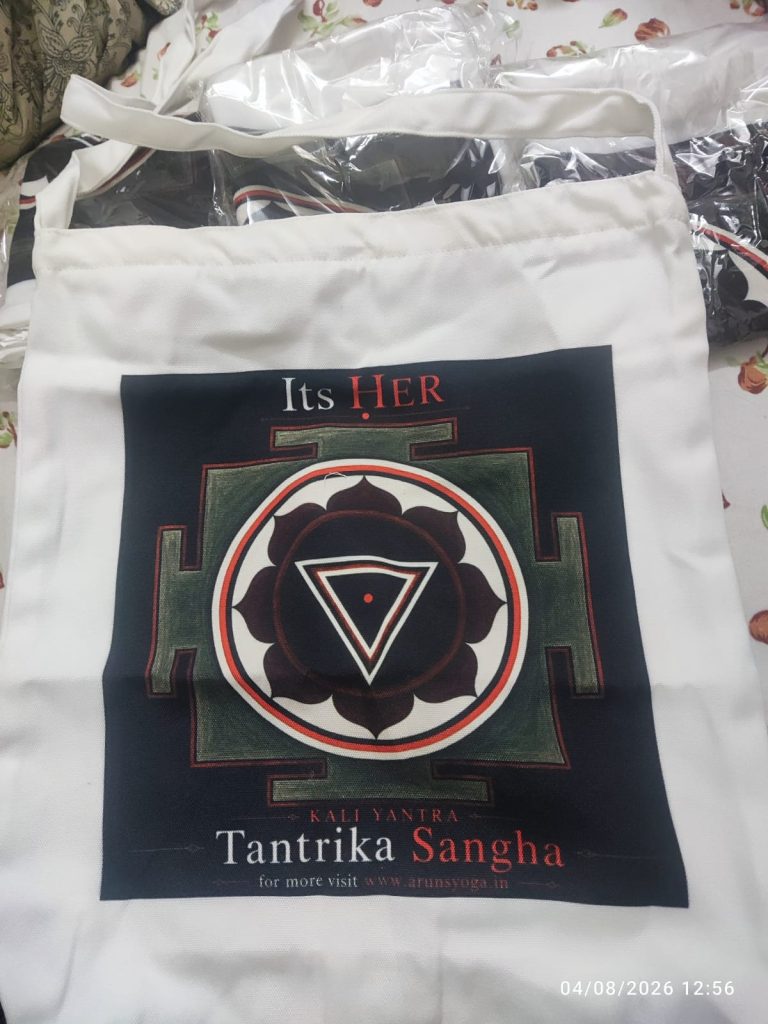
Kali Yantra Side Bags For Sangha By Arun
Carry your essentials with the protective presence of the Kali Yantra. Designed for spiritual practitioners and seekers, this side bag…
₹699
Order on WhatsApp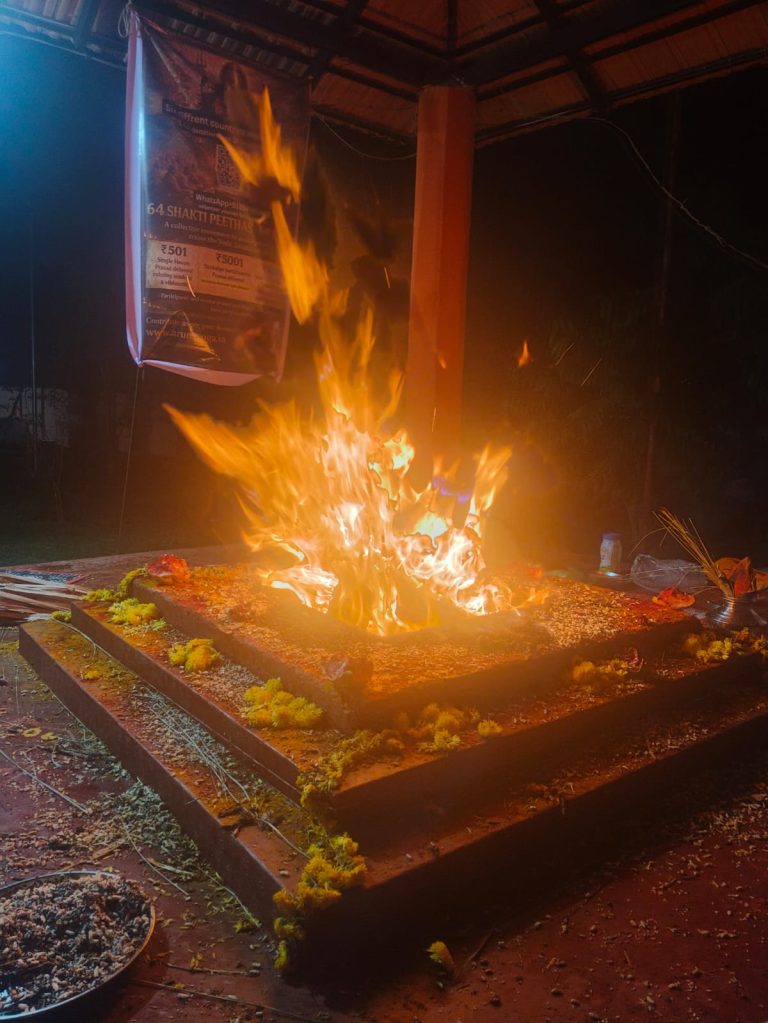
Private & Group Tantrik Havan
Conduct private and group Tantrik havans to increase and channelise energy in your own property, ashram, or spiritual centre.
₹50,000
Contact Today
Astrology and NLP with kavya.
At Kaviya Devendhiran – NLP Master Practitioner & Life Coach, we help individuals create positive and lasting transformation by changing…
₹500
Connect on whatsapp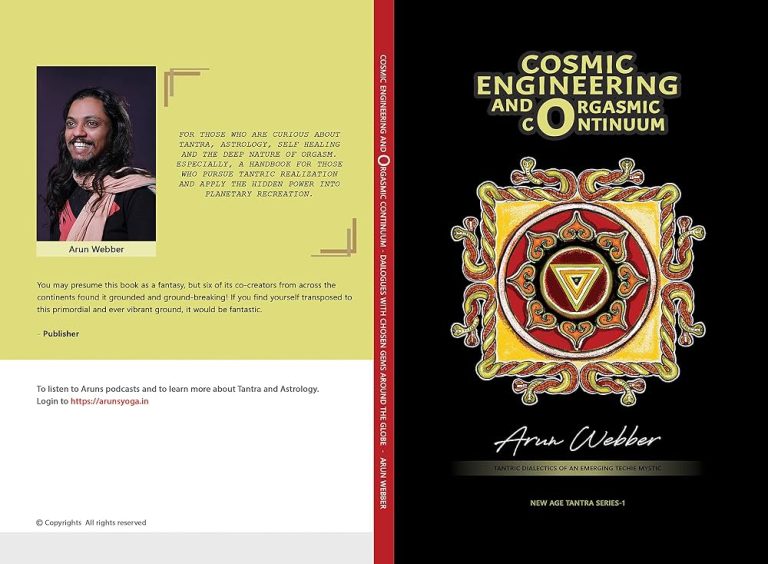
Cosmic engineering and orgasmic continum New age tantra series-1(Paper Back)
Cosmic Engineering And Orgasmic Continuum" is a 2021 spiritual book by Arun Webber that explores Tantra, self-healing, and the nature…
₹499
Order on WhatsAppMost Viewed Products And Services
Learn yoni mudra Meditation With Arun.(Private , Group Online and Offline )
The Yoni Mudra is a powerful hand gesture that, when combined with specific breathing and mantras, can immediately generate high-frequency…
₹1,250
Order on WhatsApp
🌿 Private and Group Hatha, Vinyasa & Yoga Nidra Sessions with Lyubov
🔱Hatha, vinyasa yoga 🔱Yoga nidra 🌿What it will give?: ballance, inner peace, mindfulness, emotional release, relaxation, flexibility, strength, improve the…
₹0
Connect on whatsapp
Kali Yantra Side Bags For Sangha By Arun
Carry your essentials with the protective presence of the Kali Yantra. Designed for spiritual practitioners and seekers, this side bag…
₹699
Order on WhatsAppHave a correction or improvement to suggest?
Log in or create a free accountRelated Videos

It is really difficult for my clients to achieve conscious breath work.

Unlocking the Power of Brahmari Pranayama

Is Tantric practices involves male and female??

The Esoterism Of Tantric Enlightenment In World Religions – Vedic Reading Series Episode No. 5

The geometry of spiritual energy.

Explore the profound realms of female energy manifestation and sexual energy utilization.

Balancing Motherhood and Fitness with Power Practice and Yoga
"The Tao Of Tantric Yoga": A Book Review


Leave a Reply