Introduction to Bandhas
Bandhas, which translates to “locks” or “bindings” in Sanskrit, are essential components of traditional yoga practice. These energy locks are designed to help yogis harness and balance their internal energy, or prana, to achieve a deeper state of physical, mental, and spiritual well-being. In this article, we will delve into the world of bandhas, exploring their significance, types, and benefits, as well as provide guidance on how to incorporate them into your yoga practice.
What are Bandhas?
Bandhas are internal locks that involve the contraction of specific muscle groups to seal and direct the flow of prana within the body. By engaging these locks, yogis can regulate their breath, calm their mind, and prepare their body for more advanced yoga practices, such as pranayama and meditation. There are three main types of bandhas: Mula Bandha (root lock), Uddiyana Bandha (abdominal lock), and Jalandhara Bandha (throat lock).
Mula Bandha: The Root Lock
Mula Bandha is the most fundamental of the three energy locks. It involves contracting the muscles of the perineum, which is the area between the anus and the genitals. This lock helps to awaken the kundalini energy, which is believed to reside at the base of the spine, and direct it upwards towards the crown of the head. To engage Mula Bandha, sit in a comfortable position with your back straight, inhale deeply, and then contract the muscles of your perineum as you exhale.
Uddiyana Bandha: The Abdominal Lock
Uddiyana Bandha involves contracting the abdominal muscles, which helps to stimulate the digestive system and promote the flow of prana in the upper body. To engage Uddiyana Bandha, sit in a comfortable position, inhale deeply, and then exhale slowly while contracting your abdominal muscles. Hold the contraction for a few seconds before releasing.
Jalandhara Bandha: The Throat Lock
Jalandhara Bandha involves contracting the muscles of the throat, which helps to regulate the flow of prana in the head and neck. To engage Jalandhara Bandha, sit in a comfortable position, inhale deeply, and then exhale slowly while contracting the muscles of your throat. Hold the contraction for a few seconds before releasing.
Benefits of Bandhas
Regular practice of bandhas can bring numerous benefits to the body, mind, and spirit. Some of the benefits include:
- Improved breath control and respiratory function
- Increased energy and vitality
- Enhanced mental clarity and focus
- Reduced stress and anxiety
- Improved digestion and elimination
- Increased flexibility and range of motion
Conclusion
In conclusion, bandhas are powerful tools that can help yogis unlock the full potential of their practice. By incorporating these energy locks into your daily routine, you can experience a deeper sense of calm, clarity, and connection to your inner self. Remember to always practice bandhas under the guidance of a qualified yoga instructor, and to listen to your body and modify or avoid any practices that cause discomfort or pain.
Frequently Asked Questions
What is the purpose of bandhas in yoga?
The purpose of bandhas is to help yogis harness and balance their internal energy, or prana, to achieve a deeper state of physical, mental, and spiritual well-being.
What are the three main types of bandhas?
The three main types of bandhas are Mula Bandha (root lock), Uddiyana Bandha (abdominal lock), and Jalandhara Bandha (throat lock).
How do I engage Mula Bandha?
To engage Mula Bandha, sit in a comfortable position with your back straight, inhale deeply, and then contract the muscles of your perineum as you exhale.
Test Your Knowledge and Win Coupons to Get Discounts
Related Products & Services
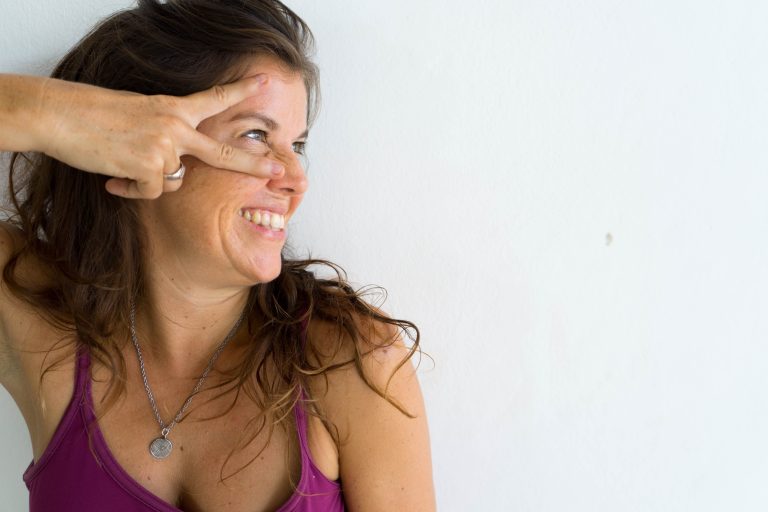
Tantrik yoga retreat with satyama.
Imagine a week where grand life lessons in love, spirituality and your sexuality can happen every day with a small…
€2,000
Connect on whatsapp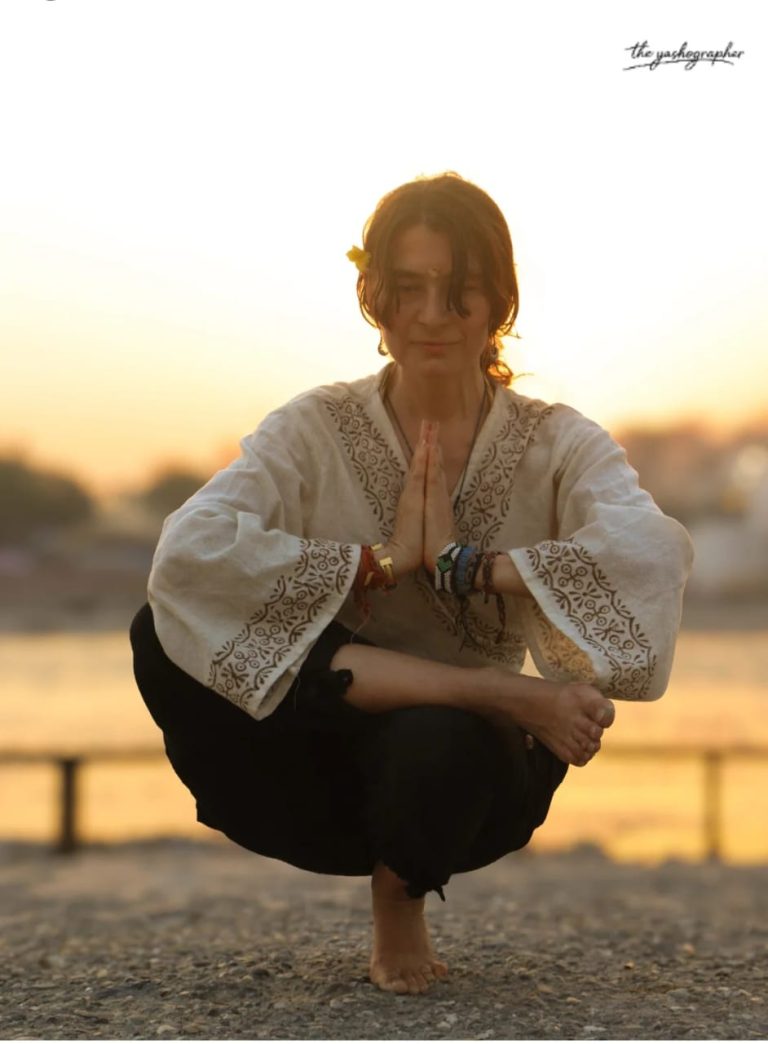
🌿 Private and Group Hatha, Vinyasa & Yoga Nidra Sessions with Lyubov
🔱Hatha, vinyasa yoga 🔱Yoga nidra 🌿What it will give?: ballance, inner peace, mindfulness, emotional release, relaxation, flexibility, strength, improve the…
₹0
Connect on whatsapp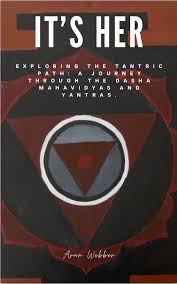
Its her (Paper back) Signed By Arun
Exploring the Tantric Path" is a comprehensive guide that delves into the sacred teachings of Tantra through the exploration of…
₹299
Order on WhatsApp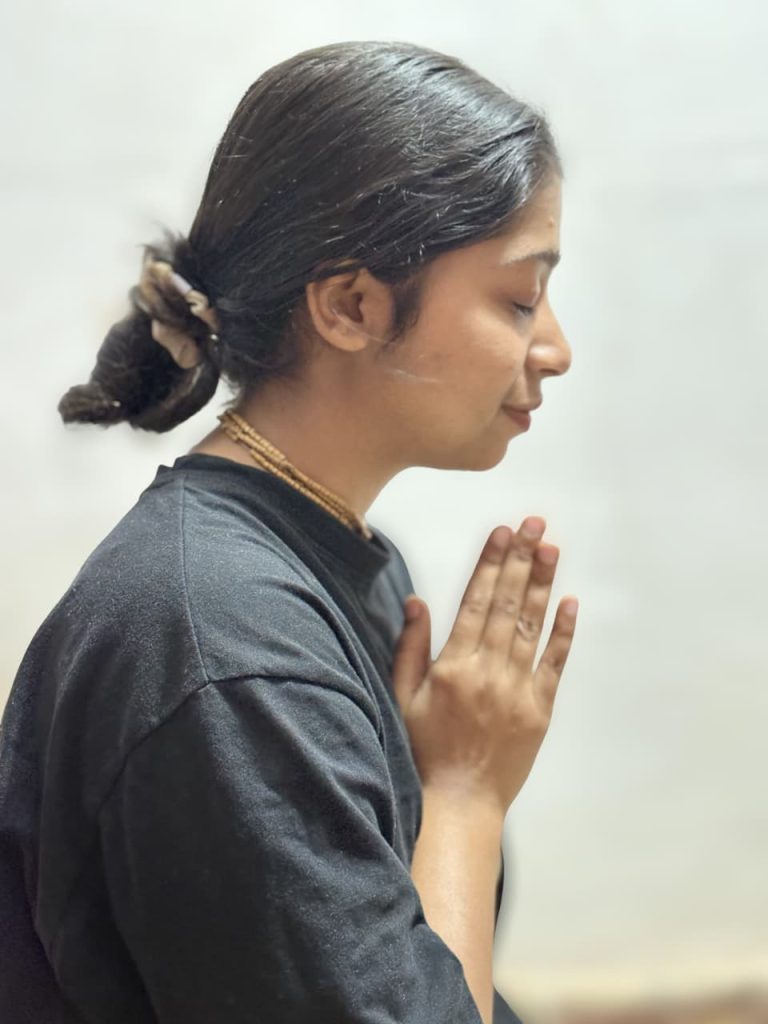
1-on-1 Online Yoga Session with Dolly Nigam
My sessions are suitable for beginners to intermediate practitioners, with personalized guidance based on your goals and abilities. What You'll…
₹800
Connect on whatsapp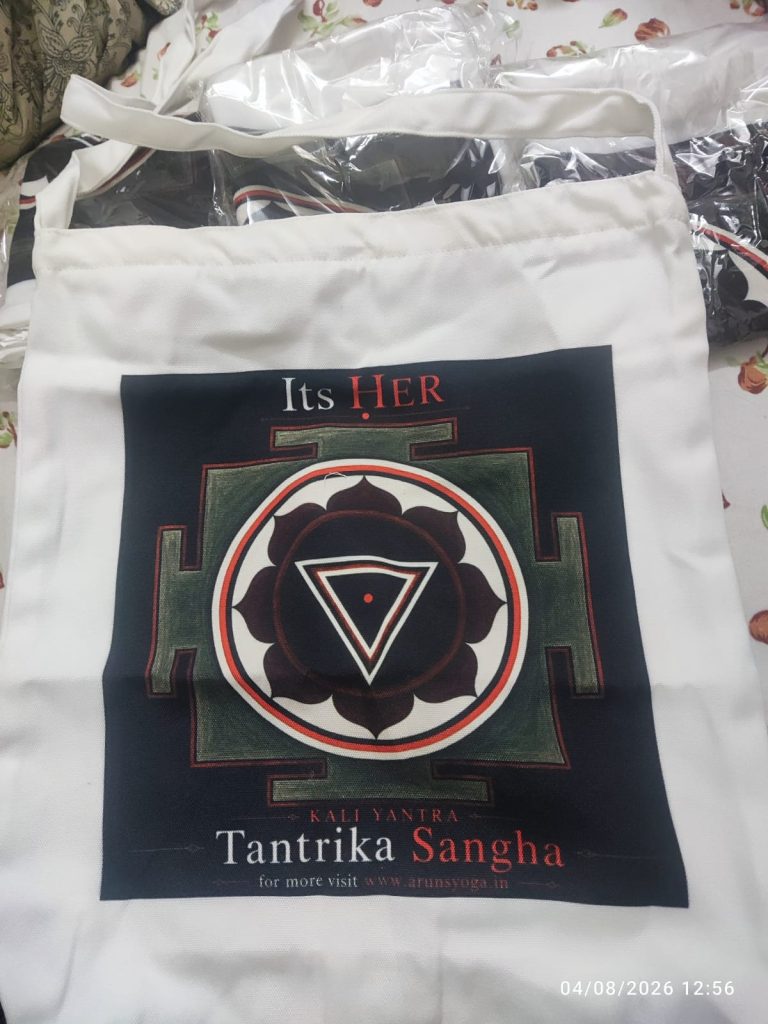
Kali Yantra Side Bags For Sangha By Arun
Carry your essentials with the protective presence of the Kali Yantra. Designed for spiritual practitioners and seekers, this side bag…
₹699
Order on WhatsApp
Learn yoni mudra Meditation With Arun.(Private , Group Online and Offline )
The Yoni Mudra is a powerful hand gesture that, when combined with specific breathing and mantras, can immediately generate high-frequency…
₹1,250
Order on WhatsApp
Astrology and NLP with kavya.
At Kaviya Devendhiran – NLP Master Practitioner & Life Coach, we help individuals create positive and lasting transformation by changing…
₹500
Connect on whatsapp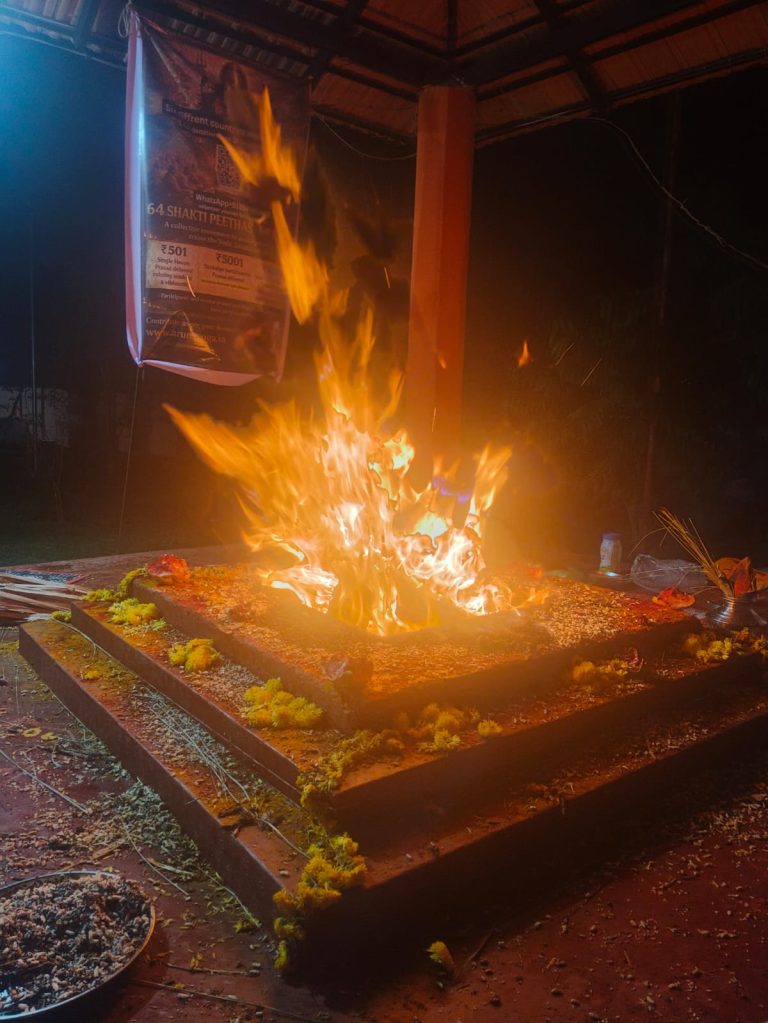
Private & Group Tantrik Havan
Conduct private and group Tantrik havans to increase and channelise energy in your own property, ashram, or spiritual centre.
₹50,000
Contact Today
Start your tantra sadhana with your specefic deity
If you’re not sure where or how to begin your Tantra Sadhana, contact us today. Receive a **handcrafted, energized Yantra**…
₹5,000
Order on WhatsAppMost Viewed Products And Services
Learn yoni mudra Meditation With Arun.(Private , Group Online and Offline )
The Yoni Mudra is a powerful hand gesture that, when combined with specific breathing and mantras, can immediately generate high-frequency…
₹1,250
Order on WhatsApp
🌿 Private and Group Hatha, Vinyasa & Yoga Nidra Sessions with Lyubov
🔱Hatha, vinyasa yoga 🔱Yoga nidra 🌿What it will give?: ballance, inner peace, mindfulness, emotional release, relaxation, flexibility, strength, improve the…
₹0
Connect on whatsapp
Kali Yantra Side Bags For Sangha By Arun
Carry your essentials with the protective presence of the Kali Yantra. Designed for spiritual practitioners and seekers, this side bag…
₹699
Order on WhatsAppHave a correction or improvement to suggest?
Log in or create a free accountRelated Videos

Explore the profound realms of female energy manifestation and sexual energy utilization.

Balancing my #feminine and #masculine #energy with #yoga. #shorts
Kundalini Yoga – How It Helps Us To See Reality

Dream yoga can helps you to be more awoke.

Tapping more into my #sexualself and #energy. #self #shorts

This is why mudras are the intense scientific way to work with energy.

AI Avatar Unveils the Power of Tantrika Herbal Tea: 6 Vedic Herbs for Body, Mind & Spirit

Dream yoga from Budhism helps you to reach the fourth.


Leave a Reply