Introduction to Kapalika
Kapalika, also known as the ‘Skull-Bearers’, is a mystical tradition that has its roots in ancient India. This practice is closely associated with the Nath Sampradaya, a mystical tradition that emerged in the medieval period. The term ‘Kapalika’ is derived from the Sanskrit word ‘kapala’, which means ‘skull’. The practitioners of this tradition are known to carry a skull-topped staff, which symbolizes their detachment from worldly desires.
Historical Background
The Kapalika tradition is believed to have originated in the 8th century CE, during the Pala dynasty. This was a time of great turmoil in India, with the decline of the Gupta empire and the rise of various regional kingdoms. The Kapalikas emerged as a response to the social and cultural upheaval of the time, seeking to challenge the traditional norms and values of Hindu society.
Core Principles of Kapalika
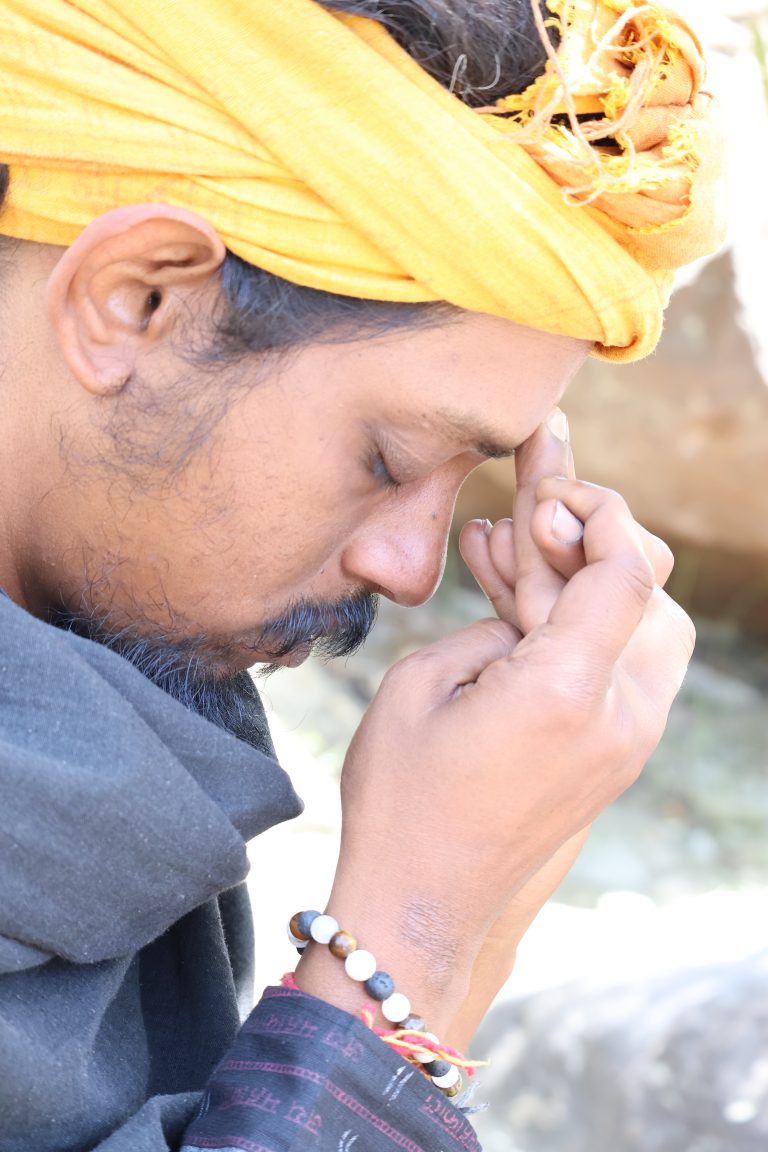
The Kapalika tradition is built around a set of core principles, which include the pursuit of spiritual liberation, the rejection of worldly desires, and the cultivation of inner strength and discipline. The practitioners of this tradition believe in the importance of meditation, yoga, and other spiritual practices to attain a state of higher consciousness.
- Meditation and Yoga: The Kapalikas place a strong emphasis on meditation and yoga as a means of achieving spiritual growth and self-realization.
- Detachment: The practitioners of this tradition believe in detachment from worldly desires and possessions, which are seen as obstacles to spiritual progress.
- Self-Discipline: The Kapalikas emphasize the importance of self-discipline and self-control in achieving spiritual liberation.
Influence of Nath Sampradaya
The Nath Sampradaya has had a profound influence on the development of the Kapalika tradition. The Naths, who are also known as the ‘Lords of Yoga’, are a mystical tradition that emphasizes the importance of yoga, meditation, and other spiritual practices. The Kapalikas have borrowed many of these practices and incorporated them into their own tradition.
Frequently Asked Questions
What is the significance of the skull-topped staff in Kapalika tradition?
The skull-topped staff is a symbol of detachment from worldly desires and represents the practitioner’s commitment to spiritual growth and self-realization.
What is the historical background of the Kapalika tradition?
The Kapalika tradition is believed to have originated in the 8th century CE, during the Pala dynasty, as a response to the social and cultural upheaval of the time.
What are the core principles of the Kapalika tradition?
The core principles of the Kapalika tradition include the pursuit of spiritual liberation, the rejection of worldly desires, and the cultivation of inner strength and discipline.
Kapalika Texts and Practices
One of the key texts associated with the Kapalika tradition is the ‘Kapalika Tantra’, which outlines various rituals and meditative practices. This text serves as a guide for practitioners seeking to understand the deeper aspects of the tradition and its esoteric teachings.
Kapalika and Bhairava: A Spiritual Connection
The Kapalika tradition is closely linked to the worship of Bhairava, a fierce manifestation of Shiva. This connection is evident in various rituals and practices that emphasize the transformative power of Bhairava in the pursuit of spiritual liberation. The Kapalikas often invoke Bhairava in their meditative practices, seeking his guidance and blessings.
Test Your Knowledge and Win Coupons to Get Discounts
Have a correction or improvement to suggest?
Log in or create a free accountRelated Videos

#17 @kathmandu 1000s of years of tradition kept alive Part-2 Travel vlog 17

#16 @kathmandu 1000s of years of tradition kept very alive part-1 Travel vlog -16

Exploring Mystical Practices and Spiritual Growth

Felicity feline sharing her experience with yoga. #meditation #tantra #yoga

Mystical Wisdom And An Introduction to Kundalini Yoga (Zoom Workshop)

Mystical Wisdom and an Introduction to Kundalini Yoga

Gyan yoga is the path of achieving liberation through resonating.

Mystical Wisdom and the Introduction to Kundalini Meditation
Most Viewed Videos


Last updated: October 11, 2026





Leave a Reply