Overview of Dhanishta Nakshatra
Dhanishta, the twenty‑third nakshatra in the Vedic zodiac, spans 23°20′ to 26°40′ in Capricorn. Ruled by the divine drummers and the planet Mars, it carries a vibrant rhythm that influences every facet of life. Its symbolic drum‑pair and the deity Vasu signify wealth, music, and collective effort. Understanding its deeper energetic makeup—guna, tatva, shakti and dosha—helps astrologers interpret personality, career trends, and health patterns.
Guna (Quality) of Dhanishta
The primary guna of Dhanishta is Rajas. Rajas fuels ambition, movement, and social interaction. People born under this star often display a restless drive to achieve, a love for teamwork, and an innate ability to lead groups toward a common goal. Rajas also brings a tendency toward impulsiveness, making balanced decision‑making a vital practice.
Tatva (Element) of Dhanishta
Dhanishta is rooted in the Air element. Air amplifies mental agility, communication skills, and the capacity to disseminate ideas quickly. This elemental influence explains why Dhanishta natives excel in fields that require networking, public speaking, or rapid information exchange.
Shakti (Power) of Dhanishta
The shakti, or active power, of Dhanishta is Kriya‑Shakti—the power of action. Mars as the ruling planet injects courage, competitiveness, and a warrior‑like spirit. When harnessed, this energy can transform ordinary projects into large‑scale collaborations, turning personal ambition into collective success.
Dosha (Imbalance) Associated with Dhanishta
In Ayurvedic terms, Dhanishta aligns most closely with the Vata dosha. Vata governs movement, change, and the nervous system. An excess of Vata may manifest as anxiety, scattered focus, or chronic restlessness. Balancing practices such as grounding routines, warm oils, and rhythmic breathing are especially beneficial for Dhanishta natives.
Practical Applications
Recognizing these energetic layers enables tailored lifestyle choices:
- Career: Pursue roles in music, event management, logistics, or any field that requires coordinated effort.
- Health: Incorporate grounding yoga poses, steady cardio, and a warm, nourishing diet to soothe Vata.
- Relationships: Seek partners who value teamwork and can provide the stability that counters excessive restlessness.
Remedies and Strengthening Practices
Traditional remedies for enhancing Dhanishta’s positive qualities include chanting the mantra “Om Shree Vasu” daily, wearing red coral, and offering milk to fire on Tuesdays. Regular drumming or listening to rhythmic music also aligns with the nakshatra’s inherent beat, reinforcing its Rajas‑Air synergy.
Conclusion
Dhanishta’s blend of Rajas guna, Air tatva, Kriya‑Shakti and Vata dosha creates a dynamic profile that thrives on movement, collaboration, and decisive action. By acknowledging both its strengths and potential imbalances, practitioners can guide individuals toward harmonious growth and purposeful achievement.
Frequently Asked Questions
What is the primary guna of Dhanishta?
Rajas
Which element (tatva) governs Dhanishta?
Air
Which Ayurvedic dosha is most closely linked to Dhanishta?
Vata
What type of shakti characterizes Dhanishta?
Kriya‑Shakti
Test Your Knowledge and Win Coupons to Get Discounts
Have a correction or improvement to suggest?
Log in or create a free accountRelated Videos

Sacred Fire Journey: 64 Havans at 64 Shakti Peeths Explained

#3 -#9 Mangal: The Fiery Force of Willpower(Mars)

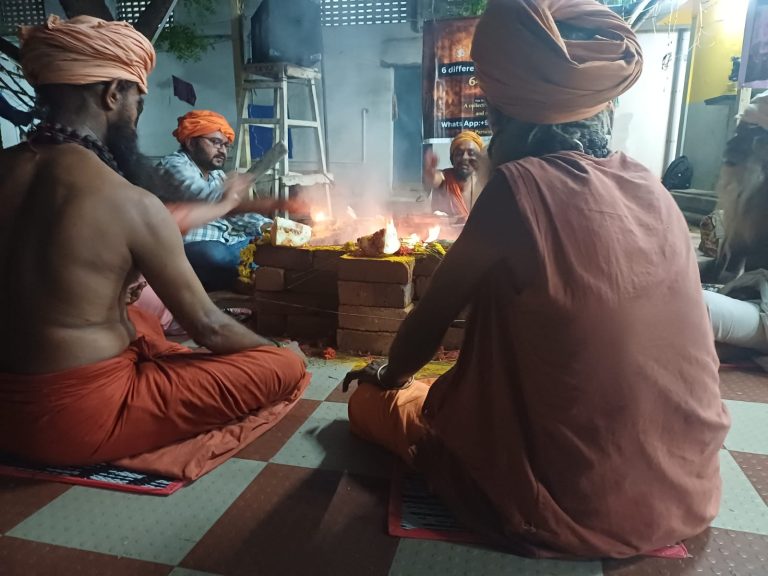
64 Shakti Peeth Havan – fourth Havan At Chamundi Hills mysore

64 Shakti Peeth Havan – Third Havan at Kanyakumari

64 Shakti Peeth Havan – Second Havan in Kanchipuram

5th Havan of the 64 Shakti Peeth Havan — Srisailam

Understanding tri gunas.

At the state of moksha the action happens without any effort.




Leave a Reply