Introduction
Mrigashira, the fifth lunar mansion, is often associated with the curious deer that searches for fresh pastures. Beyond its mythic symbolism, the nakshatra carries a distinct energetic fingerprint defined by its Guna (quality), Tatva (element), Shakti (power) and Dosha (potential imbalance). Understanding these layers helps astrologers, yogis and Ayurvedic practitioners align actions, diet and meditation with the star’s subtle currents.
Guna – The Qualitative Tone of Mrigashira
The Guna of Mrigashira is Rajas, the dynamic, active principle that drives movement, desire and transformation. Rajas energises the mind, encouraging exploration and the pursuit of new knowledge. In a birth chart, a strong Mrigashira influence can make a native restless, inventive and socially adaptable, but it may also lead to scattered focus if not balanced.
Tatva – The Elemental Foundation
Mrigashira is ruled by the element Air (Vayu). This airy quality manifests as lightness, flexibility and a craving for intellectual stimulation. Air supports communication, travel and the exchange of ideas. When the Vayu Tatva is harmonious, breathwork, pranayama and wind‑based asanas enhance mental clarity for Mrigashira‑strong individuals.
Shakti – The Core Power
The Shakti linked to Mrigashira is the Deer‑Shakti, symbolising swift perception and the ability to navigate subtle realms. This Shakti fuels curiosity, artistic expression and a keen sense of aesthetics. Practically, it encourages pursuits that involve observation—such as music, poetry, or scientific research—where the mind can track patterns like a deer following fresh tracks.
Dosha – The Potential Imbalance
Every Nakshatra carries a Dosha that signals where the energy may become excessive. For Mrigashira, the Dosha is Vata. An over‑active Vata can produce anxiety, insomnia and a tendency to over‑think. Balancing practices include grounding foods, regular routine, and calming meditations that anchor the airy nature.
Integrating the Four Aspects
When the Guna, Tatva, Shakti and Dosha are viewed together, a clear picture emerges:
- Rajas Guna drives the desire to explore.
- Air Tatva provides the mental flexibility needed for that exploration.
- Deer Shakti gives the perceptive edge to notice subtle cues.
- Vata Dosha warns against becoming too scattered.
Practical integration means encouraging curiosity while establishing routines that ground the mind. For example, a daily journaling practice (Rajas) paired with a short evening meditation (Vata calming) creates harmony.
Ayurvedic Recommendations for Mrigashira
To soothe the Vata Dosha, consider:
- Warm, cooked grains such as rice or oatmeal.
- Root vegetables like sweet potatoes and carrots.
- Herbs like ginger, cinnamon and ashwagandha.
In yoga, postures that open the chest and stabilize the pelvis—Bhujangasana, Setu Bandhasana and seated forward bends—help anchor the airy energy.
Conclusion
Mrigashira’s energetic profile is a blend of curiosity‑driven Rajas, airy Vayu, perceptive Deer Shakti and a Vata‑leaning Dosha. By honoring each component, practitioners can channel the nakshatra’s gifts—creativity, adaptability and keen observation—while keeping the restless wind in check.
Frequently Asked Questions
What is the primary Guna of Mrigashira Nakshatra?
Rajas, the dynamic and active quality.
Which element (Tatva) governs Mrigashira?
Air (Vayu), representing lightness and flexibility.
What is the Dosha associated with Mrigashira and how can it be balanced?
Vata; it can be balanced with grounding foods, routine, and calming meditation.
What symbolic Shakti is linked to Mrigashira?
Deer‑Shakti, indicating swift perception and curiosity.
Which yoga postures help stabilize the Vata Dosha in a Mrigashira‑strong chart?
Bhujangasana, Setu Bandhasana and seated forward bends.
Test Your Knowledge and Win Coupons to Get Discounts
Have a correction or improvement to suggest?
Log in or create a free accountRelated Videos

#5 -#27 Mrigashira nakshatra Nakshatra -5

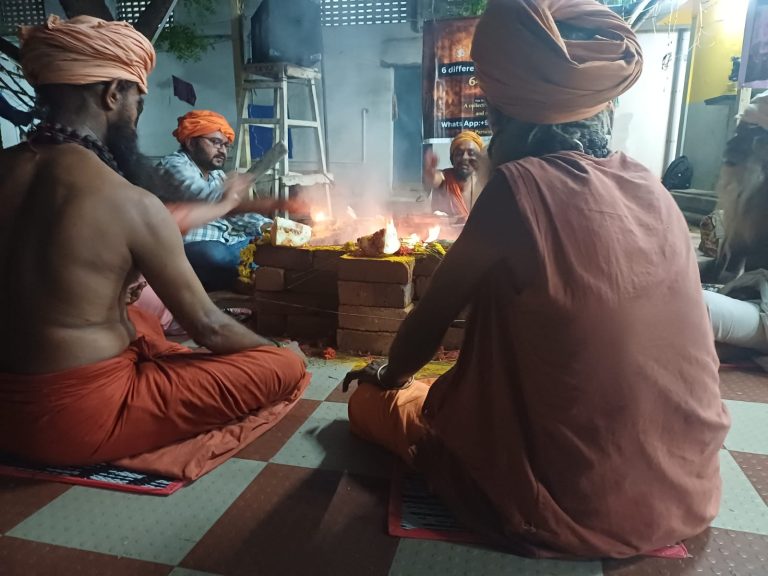
64 Shakti Peeth Havan – fourth Havan At Chamundi Hills mysore

64 Shakti Peeth Havan – Third Havan at Kanyakumari

64 Shakti Peeth Havan – Second Havan in Kanchipuram

5th Havan of the 64 Shakti Peeth Havan — Srisailam

#154 Soma is the god of mrigashira. The reason of soma rasam and intense mystical experience.

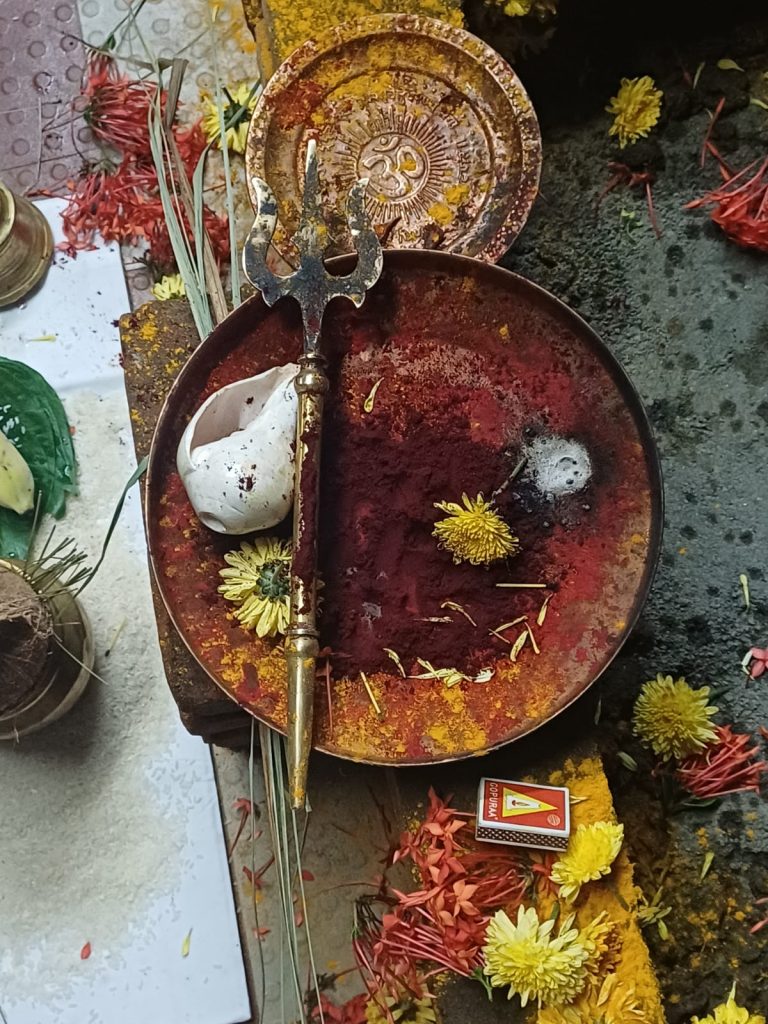
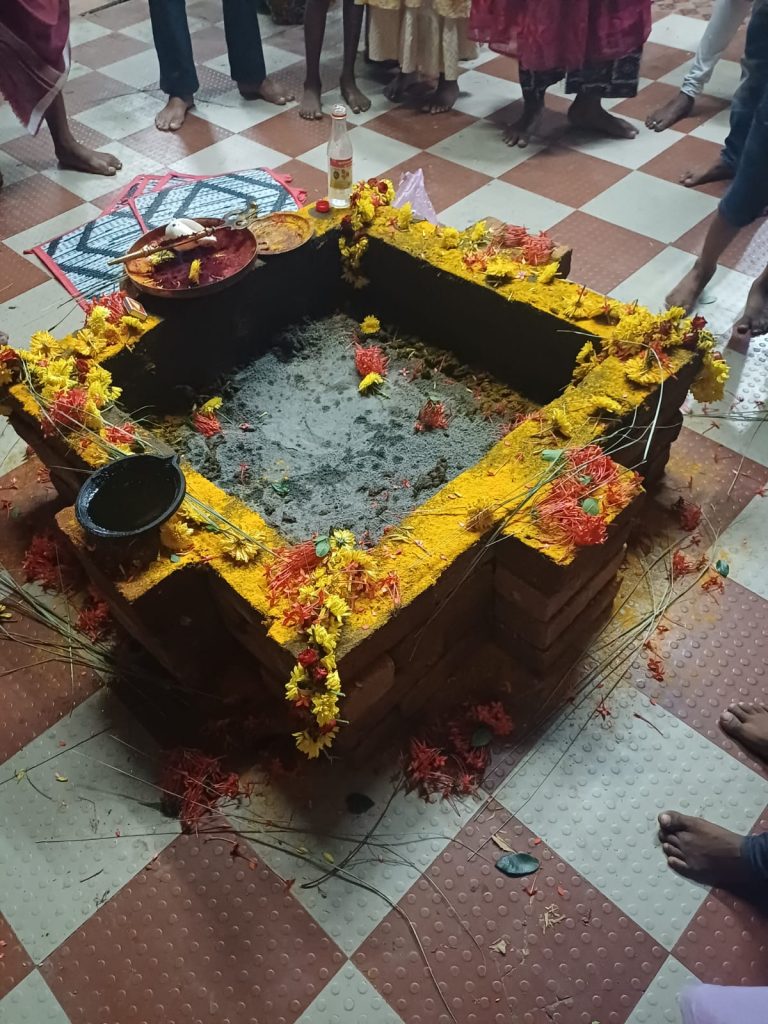
Sacred Fire Journey: 64 Havans at 64 Shakti Peeths Explained

Peral (Banayan) The tree of maka(Mrigashira) nakshatra





Leave a Reply