Family Background
Dhruva belongs to the Chandravamsha, the lunar dynasty that claims descent from the moon‑god Chandra. His father, King Uttānapāda, ruled the kingdom of Prayaga (modern Allahabad) with the support of his chief queen Suniti. The royal household also included a younger queen, Suruchi, who would later become a pivotal figure in Dhruva’s early life.
Dhruva’s Birth
According to the Bhagavata Purana, Suniti gave birth to Dhruva after a long period of yearning for a son. The infant was described as radiant, with a calm demeanor that contrasted sharply with the later turbulence he would face. The king, delighted by his new heir, bestowed upon him the name “Dhruva,” meaning “fixed” or “immovable,” a prophetic hint at his future role as the steadfast pole star.
Early Life and Conflict
Dhruva’s childhood was marked by a sudden shift in household dynamics when King Uttānapāda remarried Suruchi. The step‑mother’s affection for her own son, Uttama, sparked jealousy in the young prince. One day, while playing in the palace courtyard, Dhruva was publicly scolded by Suruchi for a minor mistake. The humiliation ignited a fierce resolve in the boy to seek validation beyond mortal approval.
Instead of confronting his step‑mother directly, Dhruva turned to spiritual refuge. He approached the revered sage Narada and later the austere sage Vishvamitra, seeking a path that would grant him inner strength and divine favor.
Turning to Asceticism
Vishvamitra instructed Dhruva to undertake a rigorous penance (tapas) in the forest, emphasizing total detachment from worldly pleasures. Dhruva embraced the challenge, subsisting on simple roots and water, and meditating for months under a solitary tree. His perseverance impressed the gods, and Lord Vishnu appeared before him, granting a boon that would become his eternal legacy.
Path to Renunciation
Vishnu promised Dhruva that his name would be forever fixed in the heavens as a shining pole star, guiding travelers and sailors alike. This promise transformed Dhruva’s personal quest for respect into a cosmic mission. He returned to his kingdom not merely as a prince, but as a living embodiment of devotion, humility, and unwavering focus.
Legacy of the Star
Dhruva’s story has inspired countless devotional songs (bhajans) and rituals across India. Temples dedicated to him often feature a celestial motif, reminding worshippers of the steadfastness required in spiritual practice. The pole star, known as “Dhruva Tara,” continues to symbolize an unshakable point of reference for those navigating both physical and metaphysical journeys.
In contemporary practice, pilgrims chant “Dhruva” while looking toward the night sky, seeking the same resolve that turned a young prince’s suffering into an eternal beacon.
Frequently Asked Questions
Who were Dhruva’s biological parents?
King Uttānapāda and Queen Suniti.
What name did Vishnu give Dhruva as a boon?
He would become the fixed pole star, Dhruva Tara.
Which sage taught Dhruva the practice of tapas?
Sage Vishvamitra.
Test Your Knowledge and Win Coupons to Get Discounts
Have a correction or improvement to suggest?
Log in or create a free accountRelated Videos

packing prasad to everyone who has contributed on srisailam havan.

Jogulamba Temple The Next Havan location 6th of 64

5th Havan of the 64 Shakti Peeth Havan — Srisailam

Fifth havan out of 64 in srisailam.

At India's largest tiger reserve getting ready for our fifth havan. all are welcome

Pvt group initiation into yoni mudra and tantra @mysore.

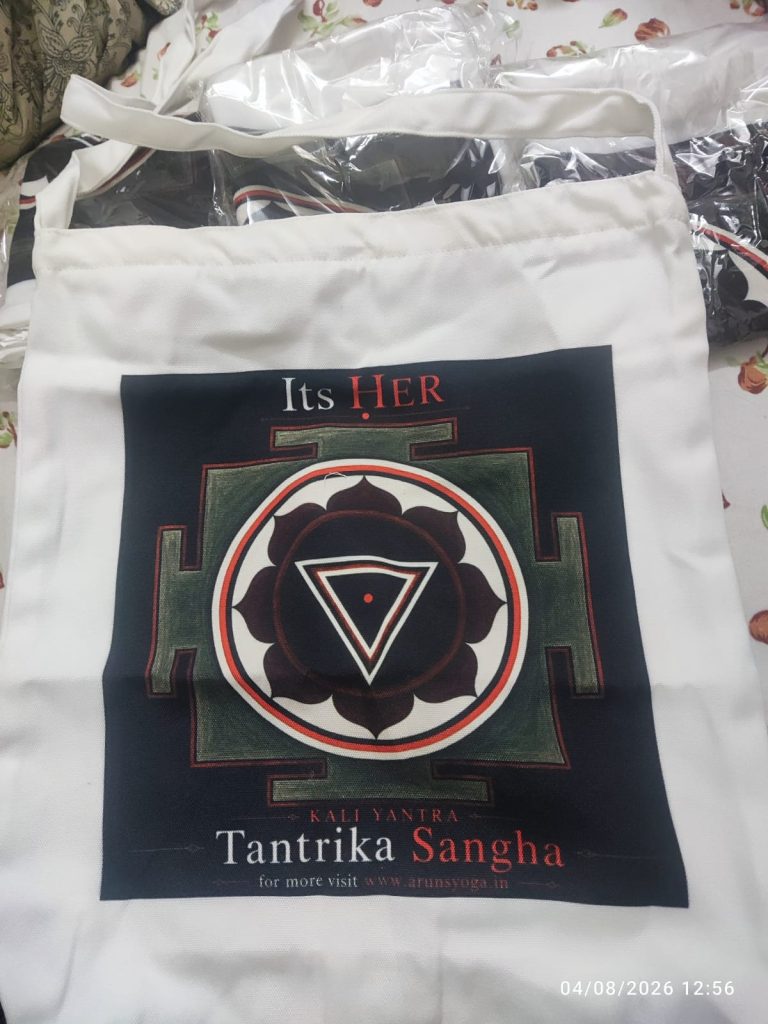
Kali yantra bags are available

Tantrik workshop with satyama






Leave a Reply