Introduction
Takshaka is one of the most compelling figures in Hindu mythology, renowned as the king of the Nagas, the semi‑divine serpent race. His name surfaces most dramatically in the story of King Parikshit, whose fatal curse set off a chain of events that still reverberates through religious texts and folk practices today.
Origins and Lineage
According to the Mahabharata and various Puranic sources, Takshaka belongs to the illustrious lineage of Kashyapa’s serpent offspring. He is often described as the son of the sage Kadru, making him a direct descendant of the primordial serpent Vasuki. This royal heritage granted him both extraordinary powers and a sacred duty to protect his people.
The Parikshit Episode
The most famous narrative involving Takshaka begins with King Parikshit, the grandson of the Pandava Arjuna. After an ill‑advised insult to a sage, Parikshit was cursed to die by snake bite within seven days. The sage’s disciple, Sage Shringi, instructed Parikshit to seek protection from all venomous creatures, but the curse was specific: a Naga would be the instrument of death.
Takshaka, residing in the sacred forests of the Vindhyas, learned of the king’s impending doom. Driven by a sense of duty to fulfill the cosmic order, he journeyed to the palace. In a dramatic climax, Takshaka entered Parikshit’s chambers and, despite the king’s guards, delivered the fatal bite, sealing the curse.
Aftermath and Cultural Impact
The death of Parikshit initiated the ‘Sarpasatra’—a period of intense snake worship and ritual purification across the subcontinent. Temples dedicated to Naga deities multiplied, and Takshaka’s name became synonymous with both fear and reverence. In many regions, especially in Rajasthan and parts of South India, people still perform annual rites to appease Nagas, invoking Takshaka’s protection against venomous threats.
Worship Practices
Takshaka is not merely a mythic antagonist; he is also a guardian of hidden knowledge, fertility, and the underground realm. Devotees offer milk, turmeric, and sandalwood incense at Naga shrines, believing that sincere prayers can transform his wrath into benevolence. Some communities celebrate Naga Panchami by drawing intricate serpent motifs on walls, a direct homage to Takshaka’s royal stature.
Symbolism and Lessons
Beyond the narrative drama, Takshaka embodies the dual nature of power—its capacity to protect and to punish. The tale warns against hubris, illustrates the inevitability of destiny, and underscores the respect owed to all living beings, even those that slither in the shadows.
Modern Interpretations
Contemporary scholars view Takshaka through ecological and psychological lenses, interpreting him as a symbol of humanity’s relationship with nature’s hidden forces. In popular culture, he appears in regional folk songs, theatrical performances, and even modern graphic novels, proving that his legacy remains vibrant.
Frequently Asked Questions
What lineage does Takshaka belong to?
He is a descendant of the sage Kadru and part of the Kashyapa’s Naga lineage.
How did Takshaka fulfill the curse on King Parikshit?
He entered the palace and delivered the fatal snake bite that the curse prescribed.
Which festival is closely associated with Naga worship?
Naga Panchami.
What offering is traditionally made to Takshaka at shrines?
Milk, turmeric, and sandalwood incense.
Test Your Knowledge and Win Coupons to Get Discounts
Have a correction or improvement to suggest?
Log in or create a free accountRelated Videos

Giving offering to serpent energies on naga panchami. #nakshatravanam

#1 -#9 Planet Sun(Surya: The Radiant King of Planets)

Vedic Reading Series Episode No. 18: 'The Serpent Wisdom' with Valentina Leo – Hasta Nakshatra
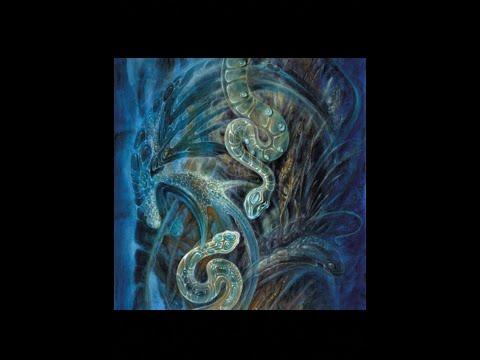
The Serpent Wisdom

#37 Making smoked pork with fermented soya naga heritage village #kisama. Travel Vlog-37

Do it for me otherwise I will curse you. This is my Kaali side aka shadow self.

I love snake cause it is symbol of #kundalini from #magic.

I have spoken to people who are dying and this is what I saw. #death #spirits #reality #shorts







Leave a Reply