What Is Padangusthasana?
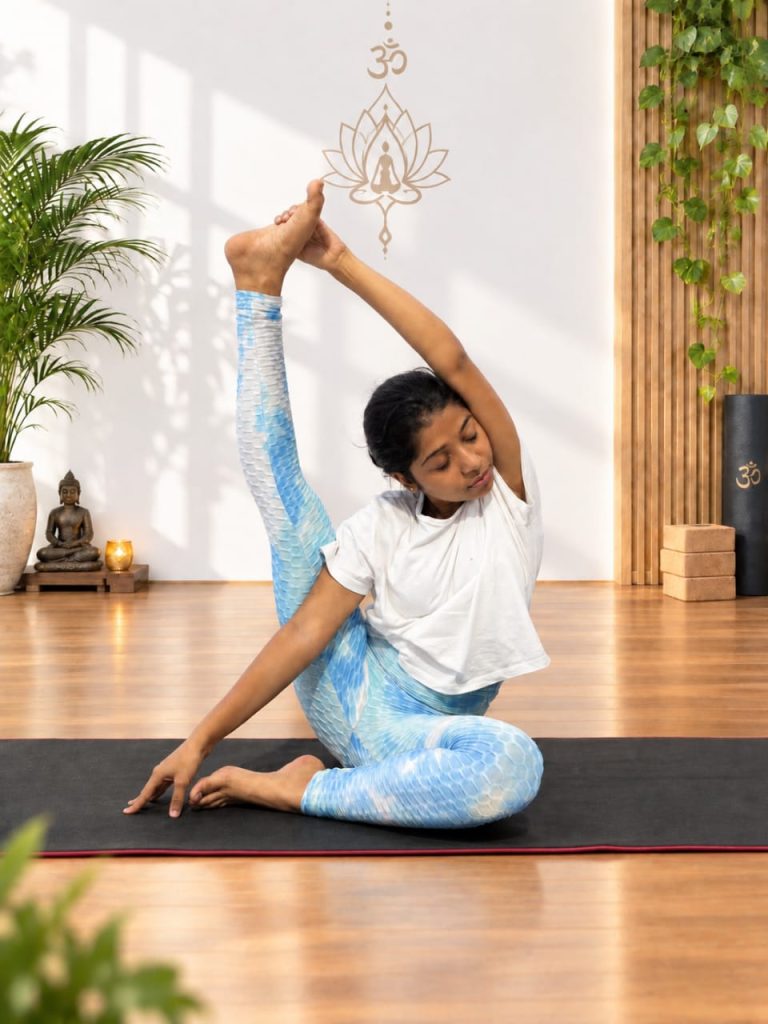
Padangusthasana, often called the Big Toe Pose, is a seated forward‑fold that brings a deep stretch to the hamstrings, calves, and lower back while promoting a gentle calming effect on the mind.
Key Benefits of the Pose
Practicing Padangusthasana regularly can:
- Increase flexibility in the posterior chain.
- Strengthen the muscles that support the spine.
- Improve digestion by massaging the abdominal organs.
- Calm the nervous system and reduce stress.
Step‑by‑Step Instructions
1. Set Up Your Seat
Begin seated on a mat with your legs extended straight in front of you. Keep your spine tall and shoulders relaxed.
2. Engage the Core
Draw the navel gently toward the spine. This engagement protects the lower back as you fold forward.
3. Reach for the Big Toe
Inhale, lengthen the spine, and on an exhale hinge at the hips, reaching toward the big toe of each foot. If flexibility is limited, grasp the outer edge of the foot, the ankle, or use a yoga strap.
4. Fold Deeply
Maintain a long spine as you draw the torso toward the thighs. Avoid collapsing the chest onto the legs; instead, keep the chest open and the gaze forward or slightly down.
5. Hold and Release
Stay in the pose for 30 seconds to 2 minutes, breathing evenly. To exit, engage the core, inhale, and slowly roll up vertebra by vertebra.
Alignment Cues to Remember
- Press the big toe into the foot while gently pulling the heel toward the body.
- Lengthen through the crown of the head, not just the hips.
- Keep the knees soft if you feel any strain; a micro‑bend is acceptable.
Common Mistakes and How to Fix Them
Rounding the back – Instead of forcing the torso down, hinge from the hips and keep the spine elongated.
Over‑reaching for the toes – Use a strap or rest the hands on the shins. The goal is a safe stretch, not pain.
Locking the knees – Keep a slight micro‑bend in the knees to protect the joints.
Modifications for All Levels
If the full pose feels too intense, try these variations:
- Padangusthasana with a strap: Loop a yoga strap around the ball of each foot and gently pull.
- Half‑fold: Place the hands on the shins or thighs instead of reaching for the toes.
- Supported fold: Sit on a folded blanket or block to tilt the pelvis forward.
Advanced Options
Once comfortable, explore deeper expressions such as:
- Padangusthasana with a bind: After grasping the big toe, thread the opposite arm under the lifted leg and clasp the hands behind the back.
- Revolved Padangusthasana: Add a gentle twist by bringing the opposite hand to the outside of the lifted foot.
Safety Tips
Always listen to your body. If you have lower‑back issues, keep a broader hinge and avoid rounding. Pregnant practitioners should use props and avoid deep forward bends that compress the abdomen.
Integrating Padangusthasana into Your Practice
Consider placing Padangusthasana after a warm‑up sequence of Sun Salutations or before a calming meditation. Its combination of stretch and introspection makes it an ideal transition between active and restorative phases.
Frequently Asked Questions
What part of the body does Padangusthasana primarily stretch?
The hamstrings, calves, and lower back.
Can Padangusthasana be practiced with a yoga strap?
Yes, using a strap helps when flexibility is limited.
Is a slight bend in the knees acceptable in Padangusthasana?
Yes, a micro‑bend protects the knee joint.
What is a safe way to exit the pose?
Engage the core, inhale, and roll up vertebra by vertebra.
Test Your Knowledge and Win Coupons to Get Discounts
Have a correction or improvement to suggest?
Log in or create a free accountRelated Videos

#144 Chakrasana Learn yoga with anu?

#141 Trikonasana. Learn yoga with anu?

impossible shapes that bend your mind and expand consciousness

Why America Needs to Bring Back Sacred Ceremonies to Heal and Raise Our Vibration!

Pakistan give my baby back. #pakistan #baby #india #war #hippie

Explaining the Wheel Pose to a Blind Person

#145 Vrikshasana Learn Yoga with Anu?

Dream journal is the first step to start with the Dream yoga.


Leave a Reply