Understanding Uttanakurmasana
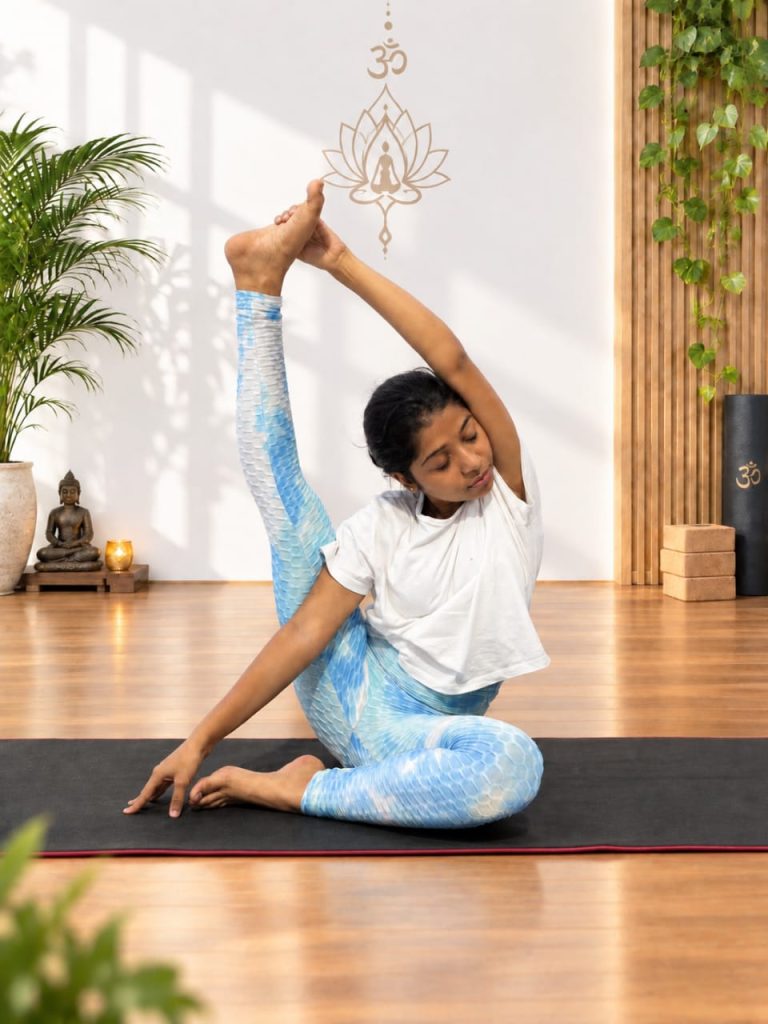
Uttanakurmasana, often called the Elephant‑Back Pose, is a deep forward‑folding posture that combines a seated hip‑opener with a strong spinal stretch. The name translates to “elephant back,” reflecting the way the torso folds over the thighs, resembling the curve of an elephant’s back.
Key Benefits
This pose offers several physical and mental benefits:
- Spinal flexibility: Encourages a gentle, lengthening stretch of the entire spine.
- Hip opening: Targets the hip flexors, glutes, and inner thighs.
- Digestive stimulation: The forward fold massages abdominal organs.
- Calm focus: The sustained hold promotes mindfulness and reduces stress.
Preparation and Prerequisites
Uttanakurmasana is considered an intermediate‑advanced pose. Practitioners should feel comfortable in forward‑folding seats such as Paschimottanasana or Janu Sirsasana. If you lack the necessary hip flexibility, work on those foundational poses first.
Step‑by‑Step Alignment
1. Start in a seated position
Sit with your legs extended straight in front of you. Keep the sit‑bones rooted to the floor.
2. Bend one knee
Bring the right knee toward the chest, placing the sole of the right foot against the inner left thigh. The left leg stays extended.
3. Reach forward
Inhale, lengthen the spine, then exhale as you hinge at the hips, reaching the left hand toward the left foot. Simultaneously, bring the right arm around the right knee, guiding it toward the left foot as well.
4. Fold the torso
Allow the torso to fold over the left thigh, aiming to place the crown of the head near the shin or floor, depending on flexibility.
5. Hold and breathe
Maintain the pose for 30‑60 seconds, breathing deeply. To release, inhale, lift the torso slowly, and then switch sides.
Common Mistakes and How to Fix Them
- Rounding the back excessively: Keep a long spine by leading the movement from the hips, not the neck.
- Collapsing the shoulders: Draw the shoulder blades down and back to avoid tension.
- Forcing the head to the floor: If the neck feels strained, rest a block or bolster under the head.
Modifications for Different Levels
Beginners can sit on a folded blanket to elevate the hips, reducing strain on the lower back. Advanced practitioners may experiment with a deeper fold by using a strap around the foot to increase leverage.
Safety Tips
- Never force the pose; respect your current range of motion.
- People with herniated discs, severe lower‑back issues, or recent hip surgery should avoid this pose or seek professional guidance.
- Always warm up the hamstrings and hips before attempting Uttanakurmasana.
Integrating the Pose into Your Practice
Place Uttanakurmasana after a series of seated forward bends or as a concluding pose in a calming sequence. Pair it with slow, diaphragmatic breathing to maximize its soothing effect.
Frequently Asked Questions
What primary area of the body does Uttanakurmasana target?
The hips and spine
Can Uttanakurmasana be practiced by beginners?
Only after mastering basic forward bends
What prop can help protect the neck in this pose?
A yoga block or bolster
How long should a typical hold last for most practitioners?
30 to 60 seconds
Test Your Knowledge and Win Coupons to Get Discounts
Have a correction or improvement to suggest?
Log in or create a free accountRelated Videos

Left hand tantrism is insane.

Explaining the Wheel Pose to a Blind Person

Why America Needs to Bring Back Sacred Ceremonies to Heal and Raise Our Vibration!

Pakistan give my baby back. #pakistan #baby #india #war #hippie

#141 Trikonasana. Learn yoga with anu?

#145 Vrikshasana Learn Yoga with Anu?

#44 Had very deep #spiritual and #shamanic discussion with head hunting #tribes of #nagaland

#144 Chakrasana Learn yoga with anu?


Leave a Reply