Why Verse 8 matters in the Hatha Yoga tradition
Verse 8 of the Hatha Yoga Pradipika may appear as a string of unfamiliar Sanskrit names, yet each term carries a distinct function within the lineage of Haṭha practice. The verse reads:allāmaḥ prabhudevaścha ghoḍā cholī cha ṭiṃṭiṇiḥ | bhānukī nāradevaścha khaṇḍaḥ kāpālikastathā || 8 || Understanding who these figures are helps students trace the transmission of specific techniques, especially those related to breath control, mudrās and the subtle body.
Allâma and Prabhudeva: Guardians of the Prāṇic Channels
Allâma is traditionally identified as a sage who systematised the five‑fold approach to nāda‑śakti (sound energy). Prabhudeva, on the other hand, is credited with codifying the “four‑handed” mudrās that balance the ida and pingala nadis. Both names appear in early commentaries as teachers who instructed Matsyendra and Gorakṣa, the founders of the Kaula‑Matsyendriya lineage.
Ghodâ and Cholî: The Dynamic Duo of Breath Work
Ghodâ (literally “horse”) symbolizes the rapid, forceful breaths used in kapalabhati, while Cholî (derived from “chola”, meaning “moving”) denotes the gentle, flowing inhalations of anuloma‑viloma. Together they represent the dual nature of pranayama: vigorous cleansing followed by soothing regulation.
Tiṃṭiṇi and Bhānukī: The Subtle Sound Carriers
Tiṃṭiṇi is the subtle vibration that arises when the throat chakra is activated; it is often heard as a faint “ting‑ting” during deep meditation. Bhānukī, linked to the solar deity Bhānur, points to the luminous quality of the breath when visualised as a golden flame within the heart centre.
Khaṇḍa and Kāpālikā: Protective Elements of the Practice
Khaṇḍa (meaning “segment” or “section”) refers to the segmented approach to mastering each asana before moving to the next. Kāpālikā is a feminine epithet for the goddess who guards the hidden fire (agni) that fuels the Kundalini awakening. Their inclusion in the verse reminds practitioners that systematic progression and protective intent are essential.
How the verse guides modern practice
When a teacher references Verse 8, the aim is to remind students of the balance between intensity and calm, between external technique and internal awareness. By invoking Allâma’s systematic approach, Prabhudeva’s mudrā wisdom, Ghodâ’s vigorous breaths, and Cholî’s soothing flow, the verse becomes a concise checklist for a well‑rounded Hatha routine.
Practitioners can apply this by beginning a session with kapalabhati (Ghodâ), moving into anuloma‑viloma (Cholî), then sealing the practice with mudrās taught by Prabhudeva, all while visualising the Tiṃṭiṇi vibration and the Bhānukī flame. The final segment, Khaṇḍa, ensures that each posture is mastered before advancing, while the protective symbolism of Kāpālikā encourages a respectful attitude toward the subtle energies being stirred.
Connecting the ancient names to contemporary seekers
Even if the Sanskrit terms feel distant, their underlying principles are timeless. Modern yoga studios that incorporate breath cycles, mudrā work, and progressive sequencing are, in effect, living the teachings encapsulated in this single verse. Recognising the lineage behind each name deepens respect for the tradition and enriches personal practice.
Frequently Asked Questions
Who is Allâma according to traditional commentaries?
A sage who systematised the five‑fold approach to nāda‑śakti.
What does Ghodâ represent in pranayama?
Rapid, forceful breaths used in cleansing practices.
Why is Kāpālikā mentioned in the verse?
She guards the hidden fire that fuels Kundalini awakening.
What is the practical sequence suggested by the verse?
Start with vigorous breaths, follow with gentle breathing, then mudrās and visualisation.
How does Khaṇḍa influence a modern yoga class?
It encourages mastering each asana before progressing to the next.
Test Your Knowledge and Win Coupons to Get Discounts
Have a correction or improvement to suggest?
Log in or create a free accountRelated Videos

This is why mudras are the intense scientific way to work with energy.

Kundalini Yoga Level 1 – A Simple Meditation Technique To Transmute Your Sexuality Into Creativity

A Fierce way to approach hidden

Learn yoga with lyuba @arunsyoga.in

Nakshatra Mudras.

Sutra are the term denotes ultimate secretes related to nature of visible universe.

Shadow work helps us to clear our thought and action so that we can approach something beyond.
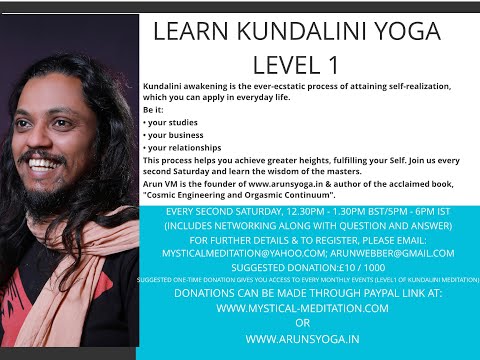
Online Kundalini Yoga Learning Session Level 1 For Beginners











Leave a Reply