Understanding the Context of Verse 14
Verse 14 of the Hatha Yoga Pradipika reads, “Having seated in such a room and free from all anxieties, he should practise Yoga, as instructed by his guru.” This line follows a series of verses that describe the preparation of the practice space, the purification of the mind, and the role of the teacher. The verse underscores two essential conditions for effective yoga: a tranquil environment and a mind unburdened by chintā (worry).
The Significance of the Sacred Room
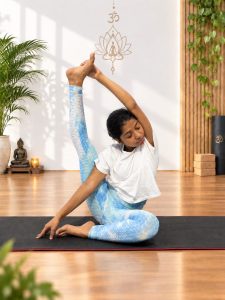
The “room” (maṭha) mentioned is more than a physical chamber; it is a consecrated area where the subtle energies of the practitioner can settle. Traditional texts advise that the space be clean, well‑ventilated, and preferably oriented toward the east or north to invite auspicious vibrations. By establishing such a setting, the practitioner creates a physical anchor for mental stillness.
Free from All Anxieties
Chintā, or mental agitation, is the greatest obstacle in any yogic endeavor. The verse commands the yogi to be “sarva‑chintā‑vivarjitaḥ” – completely free from anxiety. This does not imply the absence of thoughts, but rather the ability to observe them without attachment. Techniques such as breath awareness (prāṇāyāma), mantra repetition, and gentle asana sequencing can gradually diminish the grip of anxiety.
Guru‑Directed Practice
The final clause, “ghurūpadiṣhṭa‑mārgheṇa yoghameva samabhyaset,” stresses that the yogic method must follow the teacher’s instructions. A guru provides personalized guidance, ensuring that the aspirant’s posture, breath, and meditation align with their unique constitution. Trust in the guru also cultivates bhakti (devotion), which further quiets the restless mind.
Practical Steps to Apply Verse 14 Today
- Prepare the Space: Declutter, light a candle or incense, and arrange a mat facing a quiet wall.
- Set an Intention: Before sitting, state a clear intention to remain free from anxiety.
- Begin with Breath: Perform three rounds of alternate nostril breathing to calm the nervous system.
- Follow a Guided Sequence: Use a teacher‑approved routine that balances standing, seated, and supine postures.
- Conclude with Reflection: Spend a few minutes in silent meditation, observing any residual thoughts without judgment.
Why This Verse Resonates with Modern Practitioners
In today’s fast‑paced world, anxiety is a common companion. Verse 14 offers a timeless prescription: create a dedicated, serene environment, silence the mind, and honor the guidance of an experienced teacher. When these elements converge, the practitioner experiences deeper concentration, enhanced prāṇā flow, and a sense of inner stability that extends beyond the mat.
Frequently Asked Questions
What does "sarva‑chintā‑vivarjitaḥ" mean in the context of Verse 14?
It means being completely free from all anxieties and mental disturbances.
Why is the guru's instruction emphasized in this verse?
Because personalized guidance ensures the practice aligns with the student’s unique needs and helps maintain discipline.
How can one physically prepare a room for yoga according to the text?
By keeping it clean, well‑ventilated, possibly oriented east or north, and free from distractions.
Is it necessary to completely stop thinking during yoga practice?
No; the goal is to observe thoughts without attachment, allowing them to pass without disturbing focus.
Test Your Knowledge and Win Coupons to Get Discounts
Have a correction or improvement to suggest?
Log in or create a free accountRelated Videos

Premium yoga videos are getting ready.

Tadasana for more visit www.arunsyoga.in

Garudasana.

Vrikshasana

Parivartha Trikonasana.

Trikonasana.

Spiritual adventure to connect with instructor and get exclusive discount visit www.arunsyoga.in

navaratri havan 9 th day ending with poornavathi devi sidhidatri.









Leave a Reply