Introduction
Verse 12 of the Hatha Yoga Pradipika offers a surprisingly detailed blueprint for the physical and social environment in which a yogī should practice Haṭha Yoga. While modern practitioners often focus on asanas and breathwork, the text reminds us that the surrounding conditions can either support or sabotage the subtle work of the body‑mind system.
The Literal Requirements of Verse 12
The verse reads: “Surājye dhārmike deśe subhikṣhe nirupadrave | dhanuḥ pramāṇa‑paryantaṃ śilāghni‑jala‑varjite | ekānte maṭhikā‑madhye sthātavyaṃ haṭha‑yoghinā”. Translated, it tells the yogī to practice in a country where justice is upheld, where people are virtuous, where food is plentiful, and where the practice space is free from stone, fire and water, measuring four cubits on each side, and isolated.
Interpreting the Elements
Why are stones, fire and water prohibited? In the ancient yogic framework, each element can disturb the subtle currents of prāṇa. A stone‑filled room can create static energy, fire (including open flames) introduces heat that disrupts the balance of the Kapha and Pitta doshas, and water brings excess moisture that can dampen the vibrational quality of the space. Modern equivalents might be heavy concrete walls, bright electric lighting, or excessive humidity.
The Role of Justice and Prosperity
Notice the emphasis on a land of dharmic justice and abundant food. A community that respects dharma reduces external mental agitation, allowing the yogī to maintain a calm mind. When basic needs are met, the practitioner can devote full attention to internal practice without anxiety about survival.
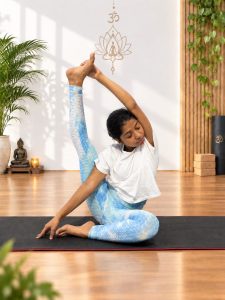
Designing a Four‑Cubits Square Chamber
Four cubits (approximately 1.8 meters) per side creates a modest, intimate space—large enough for movement but small enough to feel protected. The geometry promotes a sense of enclosure, echoing the ancient concept of a maṭhikā (small chamber) where the practitioner can concentrate fully.
- Measure the room: 1.8 m × 1.8 m × 2.4 m height.
- Use natural, breathable walls (clay, wood) rather than stone.
- Avoid open flames; opt for soft, indirect lighting.
- Maintain low humidity; a simple dehumidifier works.
- Place the room in a quiet corner of the house, away from traffic.
Modern Application
Today, the strict literalness may seem impossible in urban apartments, but the spirit of the verse remains relevant. Create a dedicated corner, clear clutter, limit electronic noise, and ensure the space feels safe and supportive. Even a portable folding mat placed in a quiet room can honor the principle of isolation.
Conclusion
Verse 12 is not a mere historical curiosity; it is a holistic reminder that the external environment is inseparable from the internal work of Haṭha Yoga. By respecting the guidelines—justice, abundance, purity, and solitude—practitioners lay a firm foundation for deeper transformation.
Frequently Asked Questions
What does "nirupadrave" mean in the context of Verse 12?
It means a place free from disturbances or obstacles, ensuring a calm environment for practice.
Why is a four‑cubits square chamber recommended?
The size creates an intimate, protected space that supports concentration while allowing enough room for postures.
Can modern lighting be used despite the prohibition of fire?
Yes, because the prohibition refers to open flames; soft electric lighting that does not generate excessive heat is acceptable.
How does living in a just society affect yoga practice?
A just society reduces external stress and mental agitation, allowing the yogī to focus inwardly.
Test Your Knowledge and Win Coupons to Get Discounts
Have a correction or improvement to suggest?
Log in or create a free accountRelated Videos

Premium yoga videos are getting ready.

Tadasana for more visit www.arunsyoga.in

Garudasana.

Vrikshasana

Parivartha Trikonasana.

Trikonasana.

Spiritual adventure to connect with instructor and get exclusive discount visit www.arunsyoga.in

navaratri havan 9 th day ending with poornavathi devi sidhidatri.









Leave a Reply