Understanding Kalaratri’s Iconography
Kalaratri, often described as the most terrifying aspect of the Divine Mother, appears with a black complexion, wild hair, and a fierce countenance. She holds a sword in one hand, a severed head in another, and a bowl of blood in the third, while a fourth hand blesses her devotees. The dark hue symbolizes the dissolution of ignorance, and her wild hair represents the untamed energy of the cosmos.
Why the Black Color Matters
The color black in Hindu symbolism is not merely an absence of light; it denotes the primordial darkness that precedes creation. Kalaratri embodies this darkness, clearing the path for new light by destroying ego and illusion. Worshippers believe that invoking her during the darkest hour of the night can dissolve hidden fears.
Mythological Stories that Shape Her Identity
One popular legend recounts how Kalaratri emerged during the battle against the demon Raktabija. Each drop of his blood that fell created a new clone of the demon. Kalaratri’s ferocious roar and her sword prevented the blood from touching the ground, thereby ending the menace. This tale highlights her role as a protector who stops the spread of negativity.
Connection to the Navadurga
Within the Navadurga, Kalaratri is the eighth form, positioned just before the final, tranquil form of Saraswati. This placement underscores a transition: after confronting inner darkness, the seeker moves toward wisdom and peace. The sequence reminds devotees that confronting fear is a necessary step before attaining enlightenment.
Rituals and Practices
Devotees celebrate Kalaratri during the ninth night of Navaratri, known as Ratri Ashtami. The rituals include:
- Lighting a black lamp (kala deep) to honor her dark energy.
- Reciting the Kalaratri Stotra, a powerful hymn that invokes her protection.
- Offering red flowers, which represent the blood she conquers.
- Consuming a small portion of kala bhog, a sweet made with jaggery and sesame.
These practices are believed to remove obstacles and grant courage for the upcoming challenges of life.
Special Observances for Travelers
Many pilgrims visit the Kalaratri temple at Ujjain or the shrine in Gokarna during Navaratri. They perform a midnight puja to align with her dominion over night. The atmosphere is charged with drum beats, chanting, and the flicker of oil lamps, creating an immersive experience of devotion.
Modern Relevance
In contemporary spiritual practice, Kalaratri is invoked during moments of intense personal transformation—such as career changes, relationship break‑ups, or confronting deep‑seated trauma. Practitioners view her as a catalyst that forces the inner darkness into the open, allowing healing to begin.
Her worship also resonates with feminist interpretations of power, as she embodies a woman who refuses to be subdued, standing boldly against any form of oppression.
Frequently Asked Questions
What does Kalaratri’s black complexion symbolize?
It represents the primordial darkness that precedes creation and the dissolution of ignorance.
Which demon’s defeat is most associated with Kalaratri?
Raktabija, whose blood created clones, was stopped by Kalaratri’s intervention.
During Navaratri, on which night is Kalaratri primarily worshipped?
The ninth night, known as Ratri Ashtami.
What is the purpose of lighting a black lamp (kala deep) in Kalaratri worship?
To honor her dark energy and invite her protective presence.
Test Your Knowledge and Win Coupons to Get Discounts
Have a correction or improvement to suggest?
Log in or create a free accountRelated Videos

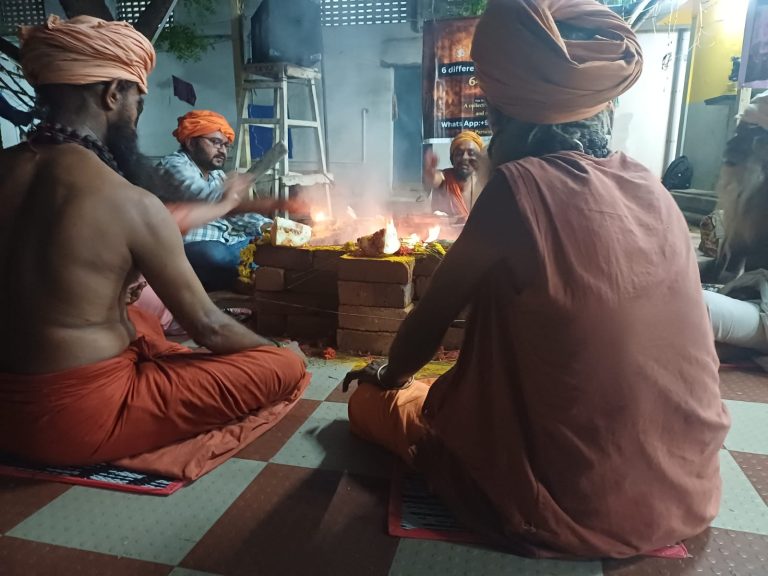
packing prasad to everyone who has contributed on srisailam havan.

Jogulamba Temple The Next Havan location 6th of 64

5th Havan of the 64 Shakti Peeth Havan — Srisailam

Fifth havan out of 64 in srisailam.

At India's largest tiger reserve getting ready for our fifth havan. all are welcome

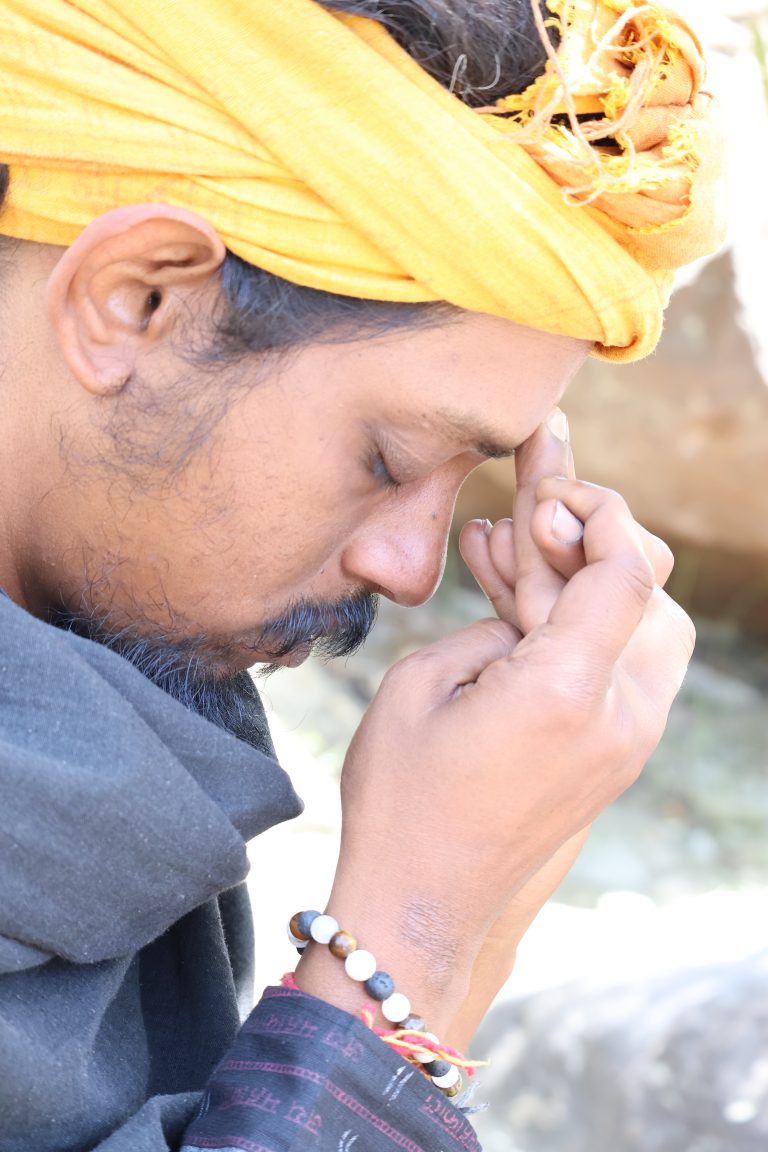
Pvt group initiation into yoni mudra and tantra @mysore.

Kali yantra bags are available

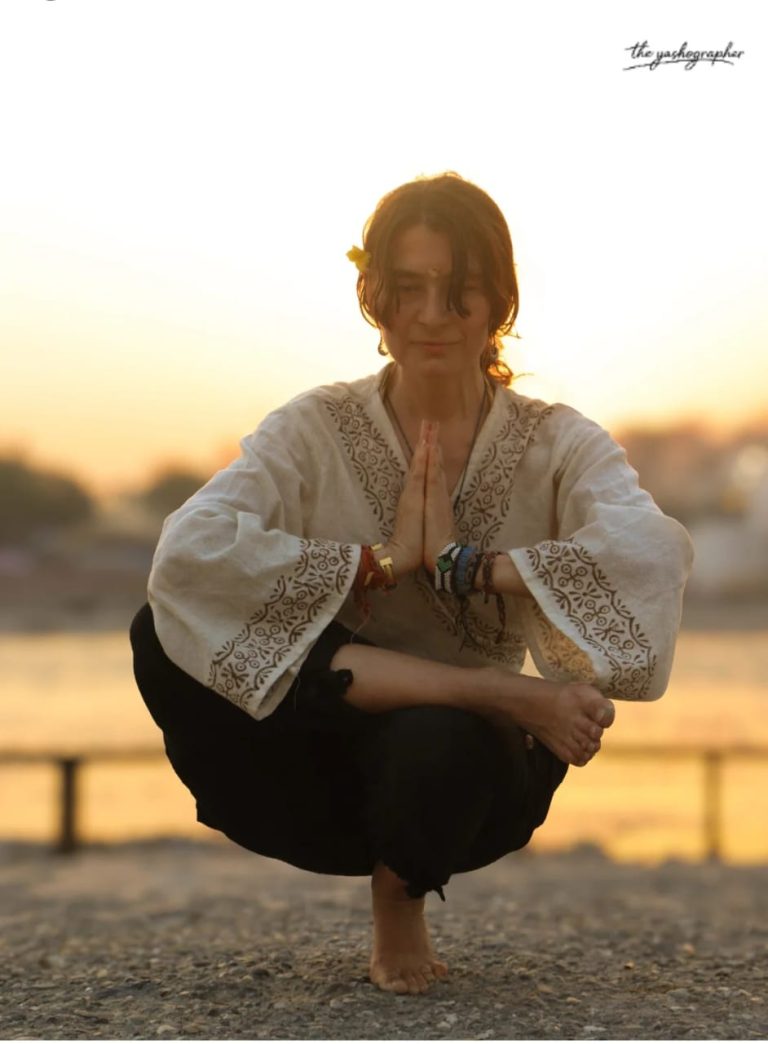
Tantrik workshop with satyama





Leave a Reply