Who Is Raka in Vedic Tradition?
Raka (also rendered as Rākā) is the personification of the full moon in early Vedic literature. She appears primarily in the Rigveda as a celestial maiden who brings the night’s coolness and the fertility associated with lunar cycles.
Mythological Origins and Textual References
The Rigvedic hymn RV 1.164.16 addresses Raka directly, praising her luminous brilliance and the way she spreads dew across the earth. Later texts, such as the Mahabharata and various Puranas, expand her role, linking her to the goddess Chandra (the Moon) as his consort during the waxing phase.
Key Stories Involving Raka
- Raka as the wife of the moon‑god Chandra during the bright fortnight, symbolising abundance.
- The tale where Raka’s radiance is said to awaken dormant seeds, underscoring her connection to agricultural cycles.
- Her occasional identification with the goddess Ushas, highlighting the transition from dawn to night.
Attributes and Symbolism
Raka embodies several core attributes:
- Illumination: She represents the full moon’s clear light that guides nocturnal travelers.
- Fertility: The lunar cycle’s impact on sowing and harvesting ties Raka to agrarian prosperity.
- Purity: Dew and night‑time freshness are metaphors for spiritual cleansing.
In iconography, Raka is often depicted as a radiant woman adorned with moon‑shaped ornaments, holding a lotus that blooms under moonlight.
Rituals and Worship Practices
Traditional Vedic rituals invoke Raka during the Purnima (full‑moon) ceremonies. Priests chant specific verses from the Yajurveda to invite her blessing for crops, health, and mental clarity.
Modern practitioners may:
- Perform a simple puja at night, offering white flowers and milk.
- Recite the mantra “Om Rākāyai Namah” while gazing at the moon.
- Observe fasting on the day leading up to Purnima to honour her purity.
Relevance for Contemporary Practitioners
Even today, Raka’s symbolism resonates with those seeking balance between light and darkness. Meditation on the full moon is used to cultivate calm, and many yoga schools align certain asanas with lunar energy, crediting the tradition to Raka’s influence.
Environmentalists also invoke Raka as a reminder of the night’s ecological importance, encouraging practices that protect nocturnal wildlife and preserve natural water cycles.
Related Deities and Comparative Insight
Raka shares attributes with other lunar figures such as the Greek Selene and the Roman Luna, yet retains a distinctly Vedic flavor rooted in agrarian life and ritual precision. Understanding her alongside deities like Chandra and Ushas offers a richer picture of how ancient Indians conceptualised time, nature, and divine femininity.
Conclusion
Raka may not dominate mainstream Hindu worship, but her presence in the Vedic canon provides essential insight into how early societies revered the moon’s cycles. By studying her hymns, rituals, and symbolism, modern seekers can tap into a timeless source of illumination, fertility, and inner purity.
Frequently Asked Questions
What primary Vedic text mentions Raka?
The Rigveda contains the earliest references to Raka.
During which lunar phase is Raka most prominently worshipped?
She is honored during the full‑moon (Purnima) phase.
Which deity is Raka often paired with in later literature?
Raka is frequently paired with Chandra, the Moon god.
What is a common offering in a modern Raka puja?
White flowers and milk are typical offerings.
Test Your Knowledge and Win Coupons to Get Discounts
Have a correction or improvement to suggest?
Log in or create a free accountRelated Videos

packing prasad to everyone who has contributed on srisailam havan.

Jogulamba Temple The Next Havan location 6th of 64

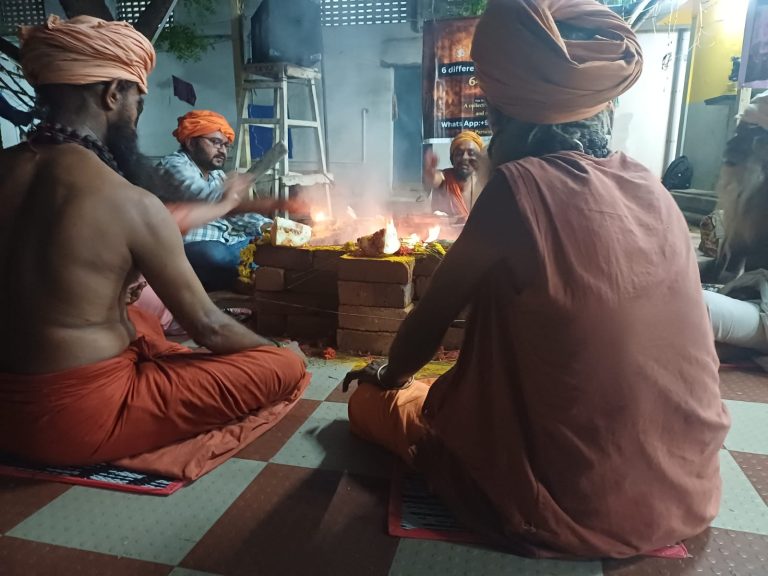
5th Havan of the 64 Shakti Peeth Havan — Srisailam

Fifth havan out of 64 in srisailam.

At India's largest tiger reserve getting ready for our fifth havan. all are welcome

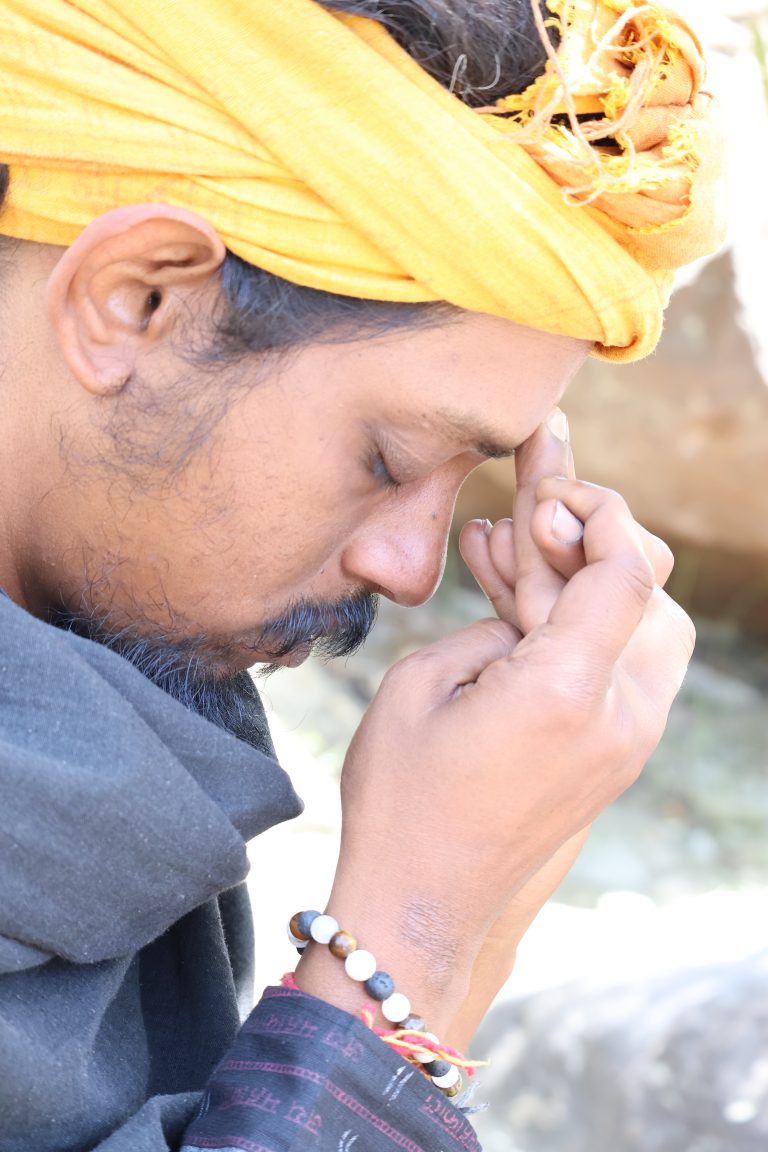
Pvt group initiation into yoni mudra and tantra @mysore.

Kali yantra bags are available

Tantrik workshop with satyama






Leave a Reply