Introduction
In Hindu tradition the bond between deities often reflects deeper theological ideas. The connection between Ekanamsha, a lesser‑known goddess, and Krishna, the beloved avatar of Vishnu, offers a vivid example of how divine narratives intertwine to convey protection, devotion, and cosmic balance.
Mythological Background
Ekanamsha appears in early texts such as the Harivamsa and various Puranas. She is described as a youthful, solitary goddess who protects the infant Krishna during the night of his birth. Some traditions identify her as a form of Yogamaya, the divine illusion that conceals the Supreme, while others view her as the sister or guardian of the Vrishni dynasty.
Ekanamsha’s Role in Krishna’s Birth
According to legend, when the evil king Kamsa plotted to kill the newborn, the divine plan required a hidden caretaker. Ekanamsha is said to have taken the form of a cowherd girl, secretly watching over Krishna in the forest of Vrindavan. This act not only saved the child but also established her as a symbol of maternal vigilance.
Key Episodes
- She concealed Krishna from Kamsa’s spies.
- She guided the cowherd boys to the safe pasture.
- She manifested as a protective aura during Krishna’s early miracles.
Symbolic Significance
The partnership illustrates the principle of shakti (energy) supporting shiva (consciousness) in many Hindu philosophies. Ekanamsha’s solitary nature (ekam meaning “one”) emphasizes the idea that divine protection can arise from a single, focused source, complementing Krishna’s expansive, charismatic presence.
Furthermore, the goddess embodies the feminine aspect of the divine plan, reminding devotees that the cosmic order relies on both masculine and feminine forces working together.
Worship Practices
In regions of Braj and parts of Maharashtra, devotees honor Ekanamsha alongside Krishna during festivals such as Janmashtami and Radhashtami. Small shrines often feature a simple stone or wooden figure of the goddess placed beside Krishna’s image. Rituals include offering fresh milk, chanting verses from the Harivamsa, and lighting lamps at dusk to symbolize her night‑time guardianship.
Conclusion
The relationship between Ekanamsha and Krishna deepens our understanding of how Hindu mythology weaves protective feminine energy into the life of a divine hero. By recognizing this bond, practitioners gain insight into the balance of forces that sustain both the cosmic narrative and everyday devotion.
Frequently Asked Questions
Who is Ekanamsha in relation to Krishna?
She is regarded as a protective goddess who watches over the infant Krishna.
Which text first mentions Ekanamsha’s role?
The Harivamsa.
What does the name Ekanamsha signify?
It means “single” or “solitary,” highlighting her role as a lone protector.
During which festival is Ekanamsha especially honored?
Janmashtami.
Test Your Knowledge and Win Coupons to Get Discounts
Have a correction or improvement to suggest?
Log in or create a free accountRelated Videos

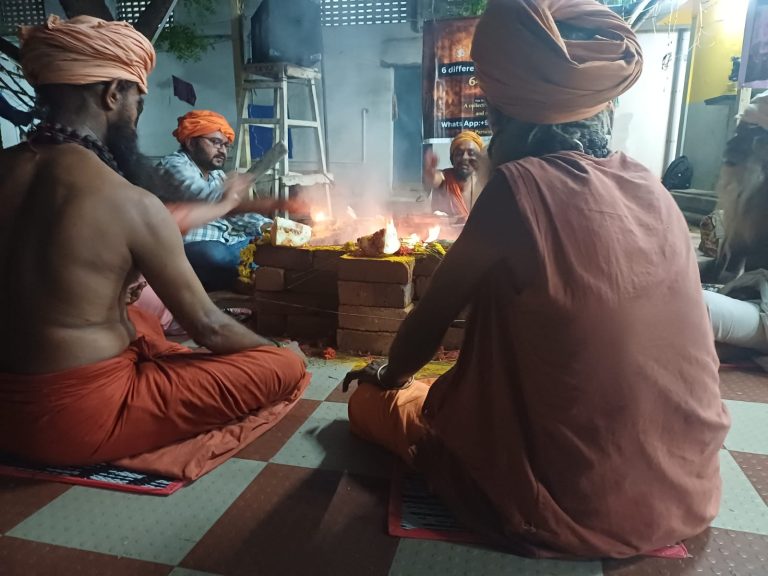
packing prasad to everyone who has contributed on srisailam havan.

Jogulamba Temple The Next Havan location 6th of 64

5th Havan of the 64 Shakti Peeth Havan — Srisailam

Fifth havan out of 64 in srisailam.

At India's largest tiger reserve getting ready for our fifth havan. all are welcome

Pvt group initiation into yoni mudra and tantra @mysore.

Kali yantra bags are available

Tantrik workshop with satyama







Leave a Reply