Lineage of the Nagas
The Nagas occupy a unique position in Hindu cosmology as semi‑divine serpent beings. According to the Puranas, they descend from the sage Kashyapa and his wife Kadru. Their progeny split into several royal houses, each ruled by a king‑like figure known as a Serpent King. This genealogical framework establishes a hierarchy that later texts use to locate individual Nagas within a broader divine family.
Primary Branches
- Kashyapa & Kadru – the original ancestors
- Vasuki – the most celebrated king of the Nagas
- Takshaka – ruler of the Khandava forest and a key antagonist in several epics
- Manasa – the goddess of snakes, often considered Takshaka’s sister
Takshaka’s Place in the Serpent Royal Family
Takshaka emerges in the genealogical charts as a son of Kashyapa and Kadru, making him a direct cousin of Vasuki. Some versions of the Mahabharata describe him as the chief of the Khandava forest Nagas, a domain he inherited from his forefathers. His lineage grants him both the authority to command other Nagas and the responsibility to protect the forest ecosystems under his rule.
Relationship with Other Serpent Kings
While Vasuki serves the gods as a churning rope during the Samudra Manthan, Takshaka is portrayed more as a guardian of the terrestrial world. Their interactions are limited, yet both share the common heritage of Kashyapa’s lineage, which occasionally brings them together in joint battles against common foes.
Legends Involving Takshaka
Takshaka’s most famous legend concerns his enmity with King Parikshit. After Parikshit’s disrespect toward a sage, the sage curses the king to die by a snake bite. Takshaka fulfills this curse, striking Parikshit with his venomous fangs. This act ignites the infamous Sarpasatra (snake sacrifice) conducted by Parikshit’s son, Janamejaya, aiming to exterminate all Nagas.
Key Episodes
- Poisoning the army of King Janamejaya – a retaliation that showcases Takshaka’s strategic cunning.
- Battle with Krishna – during the Khandava forest episode, Krishna and Arjuna burn the forest, prompting Takshaka to defend his realm.
Takshaka’s Role in the Mahabharata
Within the epic, Takshaka appears as both a villain and a tragic figure. His conflict with Krishna highlights the tension between divine will and natural guardianship. Moreover, his involvement in the curse of Parikshit ties him to the broader narrative of dharma, retribution, and the cyclical nature of fate.
Symbolic Interpretations
Scholars often interpret Takshaka as an embodiment of untamed nature resisting human ambition. His genealogy reinforces this reading, as his ancestors represent primordial forces that predate human civilization.
Worship and Cultural Impact
Even though Takshaka is frequently cast as an antagonist, many regional traditions venerate him as a protector against venomous bites. Temples in parts of North India offer rituals to appease Takshaka, especially during monsoon seasons when snake encounters increase.
His story also permeates folk songs, dance dramas, and contemporary media, ensuring that the genealogical ties among the Serpent Kings remain alive in popular imagination.
Frequently Asked Questions
Who are the parents of Takshaka according to Hindu scriptures?
Kashyapa and Kadru
Which forest did Takshaka rule as a serpent king?
Khandava forest
What event triggered the Sarpasatra led by Janamejaya?
The death of King Parikshit by Takshaka’s bite
Which deity helped Arjuna in the burning of Khandava forest, opposing Takshaka?
Krishna
Test Your Knowledge and Win Coupons to Get Discounts
Have a correction or improvement to suggest?
Log in or create a free accountRelated Videos

packing prasad to everyone who has contributed on srisailam havan.

Jogulamba Temple The Next Havan location 6th of 64

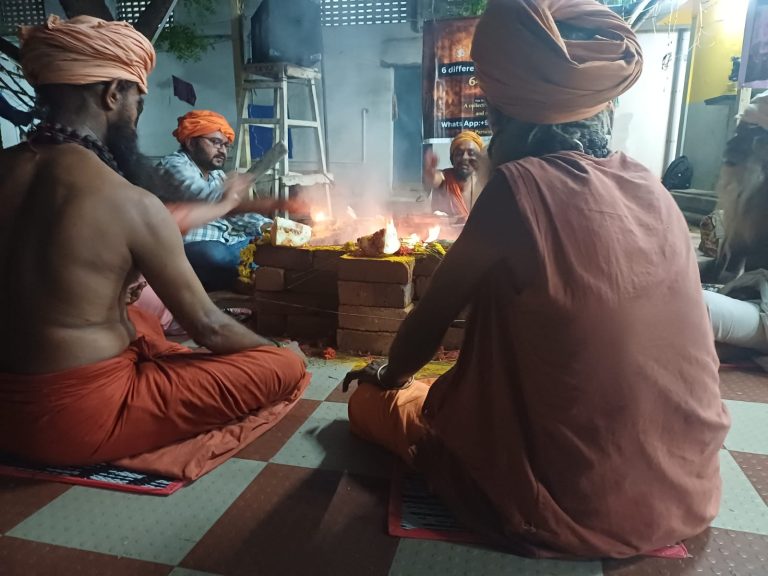
5th Havan of the 64 Shakti Peeth Havan — Srisailam

Fifth havan out of 64 in srisailam.

At India's largest tiger reserve getting ready for our fifth havan. all are welcome

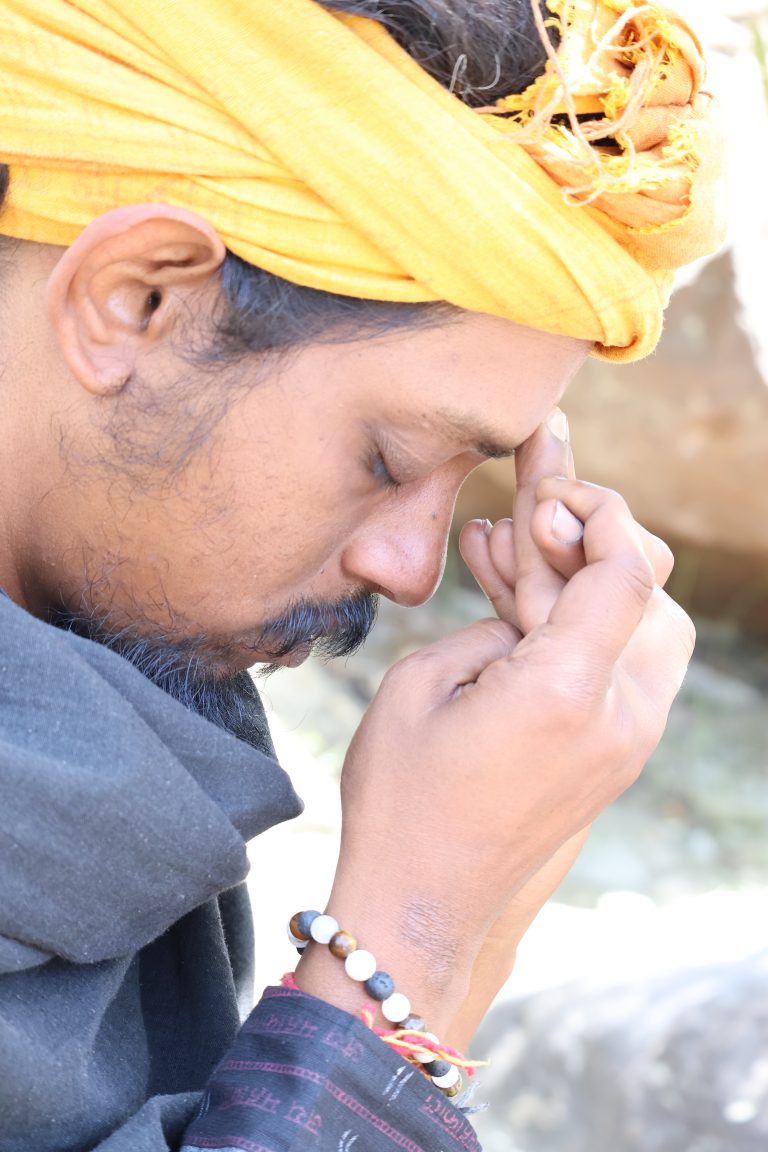
Pvt group initiation into yoni mudra and tantra @mysore.

Kali yantra bags are available

Tantrik workshop with satyama






Leave a Reply