Understanding Parivrtta Parsvakonasana
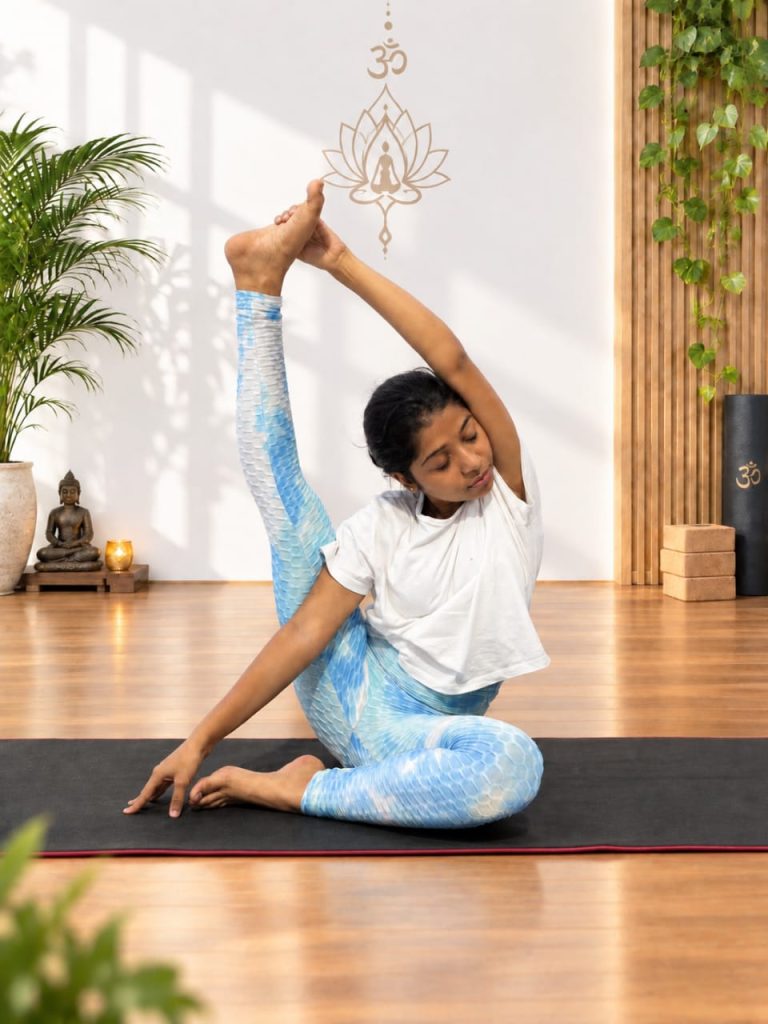
Parivrtta Parsvakonasana, often called the Revolved Side Angle, is a standing twist that blends lateral extension with a deep spinal rotation. When performed correctly, the pose stretches the side body, opens the hips, and builds core stability. It also challenges balance, making it a powerful addition to any sequence aimed at increasing flexibility and mental focus.
Key Benefits of the Revolved Side Angle
The pose offers several physical and energetic advantages. Physically, it lengthens the intercostal muscles, tones the quadriceps, and engages the gluteus medius for hip stability. Mentally, the twisting action stimulates digestion and can help release stored tension in the lower back. Regular practice also improves proprioception, which translates to better alignment in other asanas.
Step‑by‑Step Alignment Guide
Follow these precise steps to enter Parivrtta Parsvakonasana safely:
- Begin in Trikonasana with your right foot forward and left foot turned slightly outward.
- Rotate your torso to the right, bringing the left elbow to the outside of the right knee while keeping the right hand reaching toward the sky.
- Square your hips toward the side wall, ensuring the front hip opens while the back hip stays grounded.
- Maintain a steady gaze (drishti) either upward or toward the floor, depending on your balance comfort.
- Hold for 5‑8 breaths, then release gently and repeat on the opposite side.
Common Mistakes and How to Fix Them
Even experienced yogis can slip into patterns that diminish the pose’s effectiveness. A frequent error is allowing the front hip to collapse inward, which reduces the twist and can strain the lower back. To correct this, engage the inner thigh of the front leg and imagine drawing the hip forward. Another mistake is collapsing the shoulders; keep them rolled away from the ears and broaden the chest to protect the shoulder girdle.
Modifications, Props, and Sequencing Tips
If full expression feels too intense, use a block on the inside of the front foot to support the hand. Beginners may keep the bottom hand on the shin or a sturdy chair. When sequencing, place the pose after warm‑up twists like Marichyasana C and before deeper backbends such as Urdhva Dhanurasana. This order prepares the spine and ensures a safe, fluid transition.
Frequently Asked Questions
What primary muscle groups does Parivrtta Parsvakonasana engage?
Core, hips, and side body muscles.
Can you practice the pose if you have a knee injury?
Use a block or keep the hand on the shin to reduce strain.
How long should you hold the pose for beginners?
5 to 8 breaths.
Which drishti is recommended for balance in this pose?
A steady gaze either upward or toward the floor.
Test Your Knowledge and Win Coupons to Get Discounts
Have a correction or improvement to suggest?
Log in or create a free accountRelated Videos

packing prasad to everyone who has contributed on srisailam havan.

Jogulamba Temple The Next Havan location 6th of 64

5th Havan of the 64 Shakti Peeth Havan — Srisailam

Fifth havan out of 64 in srisailam.

At India's largest tiger reserve getting ready for our fifth havan. all are welcome

Pvt group initiation into yoni mudra and tantra @mysore.

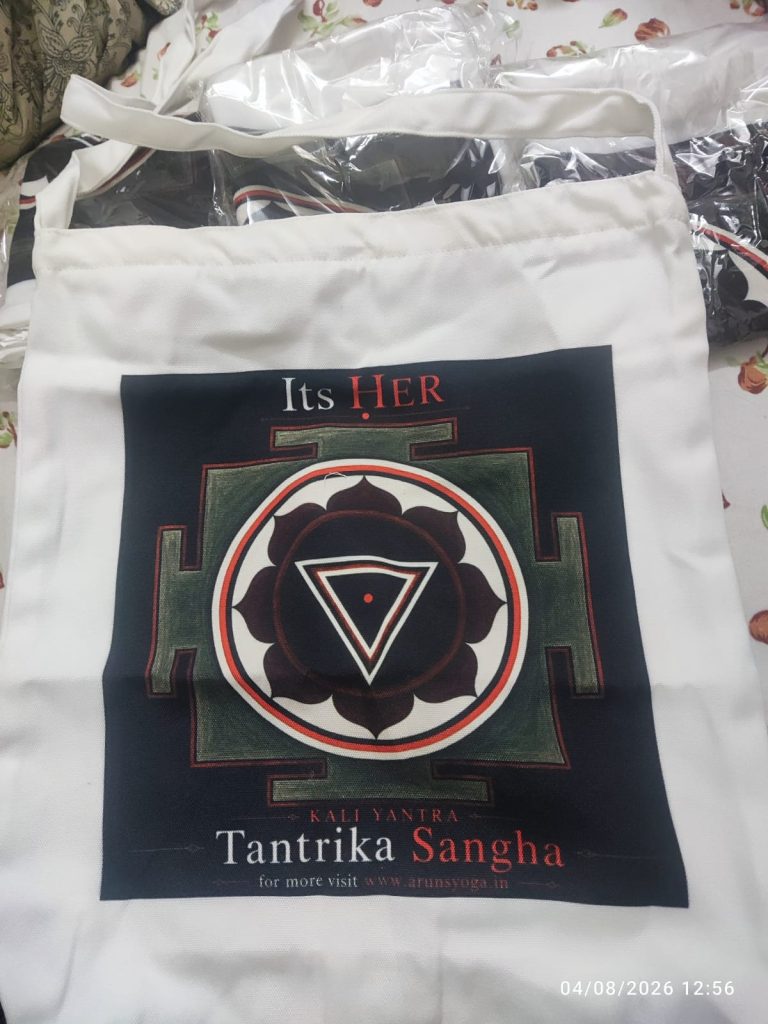
Kali yantra bags are available

Tantrik workshop with satyama


Leave a Reply