What Is Vasisthasana?
Vasisthasana, commonly known as Side Plank, is a lateral weight‑bearing pose that challenges the entire lateral chain of the body. Named after the sage Vasistha, the posture builds endurance in the arms, wrists, obliques, and legs while sharpening focus.
Step‑by‑Step Alignment
Follow these cues to enter a safe and effective Side Plank:
- Start in Plank (Phalakasana) with shoulders over wrists and a straight line from head to heels.
- Shift weight onto the right hand and the outer edge of the right foot.
- Stack the left foot on top of the right, or keep the left foot slightly in front for beginners.
- Engage the core, lift the left hip, and reach the left arm toward the ceiling.
- Press the right hand firmly into the mat, draw the shoulder blades together, and gaze upward.
Hold for 20‑30 seconds, then switch sides.
Common Mistakes and How to Fix Them
Even experienced yogis can slip into patterns that reduce the pose’s benefits:
- Hips sagging – Re‑engage the core and lift the hip higher.
- Shoulder hunch – Depress the shoulder away from the ear and keep the arm aligned with the torso.
- Weight shifting onto the wrist – Distribute weight evenly across the hand, spreading the fingers wide.
- Over‑reaching the top arm – Keep the arm in line with the ear; a slight bend in the elbow can protect the shoulder.
Variations for All Levels
Adapt the pose to match your strength and flexibility:
- Modified Side Plank: Keep the bottom knee on the ground for extra stability.
- Leg lift variation: Raise the top leg higher, pointing the toes for a deeper hip opener.
- Thread‑the‑needle: Reach the top arm underneath the torso, stretching the shoulder.
- Revolved Side Plank (Parivrtta Vasisthasana): Rotate the torso toward the floor, opening the chest and spine.
Benefits of Practicing Side Plank
Regular practice yields both physical and mental gains. The pose strengthens the obliques, improves wrist stability, and enhances proprioception. It also cultivates concentration because maintaining balance requires a steady mind. Over time, practitioners notice better posture, reduced lower‑back strain, and increased overall core endurance.
Integrating Vasisthasana Into Your Routine
Place Side Plank after Sun‑Salutation sequences or as a bridge between standing and seated poses. Aim for three sets per side, gradually extending the hold as strength builds. Pair it with counter‑poses such as Balasana or Child’s Pose to release tension in the shoulders and hips.
Frequently Asked Questions
Can beginners practice Vasisthasana safely?
Yes, beginners can use the modified version with the bottom knee down to build strength before moving to the full pose.
What should I do if my wrist hurts in Side Plank?
Distribute weight across the entire hand, keep fingers spread, and consider a wrist wrap or practice on a folded towel for extra cushioning.
How often should I include Vasisthasana in my practice?
Three to four times per week is sufficient for most practitioners, allowing rest days for recovery.
Does Side Plank help with lower back pain?
When performed with proper alignment, it strengthens the supporting muscles of the lumbar region, which can alleviate mild back discomfort.
Test Your Knowledge and Win Coupons to Get Discounts
Have a correction or improvement to suggest?
Log in or create a free accountRelated Videos

packing prasad to everyone who has contributed on srisailam havan.

Jogulamba Temple The Next Havan location 6th of 64

5th Havan of the 64 Shakti Peeth Havan — Srisailam

Fifth havan out of 64 in srisailam.

At India's largest tiger reserve getting ready for our fifth havan. all are welcome

Pvt group initiation into yoni mudra and tantra @mysore.

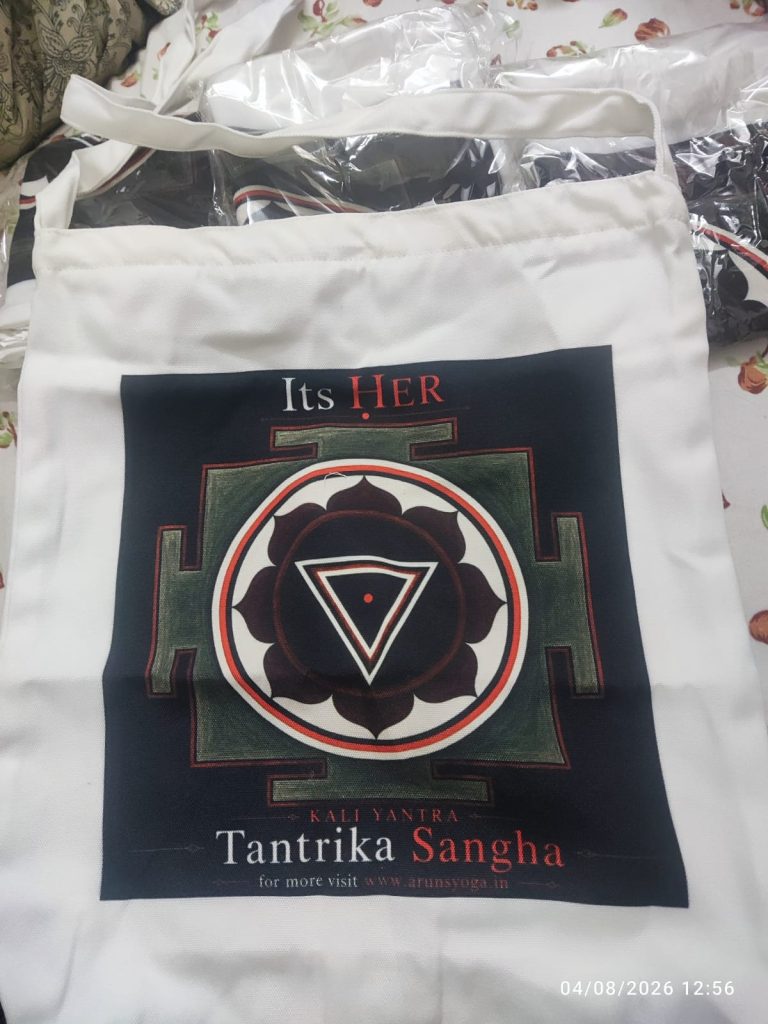
Kali yantra bags are available

Tantrik workshop with satyama







Leave a Reply