What Is Sukhasana?
Sukhasana, often called Easy Pose, is a foundational seated posture used in many yoga classes. Despite its simplicity, it offers profound benefits for the spine, breath, and mind.
Key Benefits of Practicing Sukhasana
When you sit in Sukhasana regularly, you may notice improvements in several areas:
- Spinal alignment and reduced lower‑back tension.
- Enhanced diaphragmatic breathing and lung capacity.
- Calm activation of the parasympathetic nervous system.
- Improved focus during meditation or pranayama.
- Grounding of the hips and knees for beginners and advanced students alike.
Step‑by‑Step Guide to Getting Into Sukhasana
1. Prepare Your Space
Choose a flat surface or a yoga mat. If your hips feel tight, place a folded blanket or cushion under your sit bones.
2. Position Your Legs
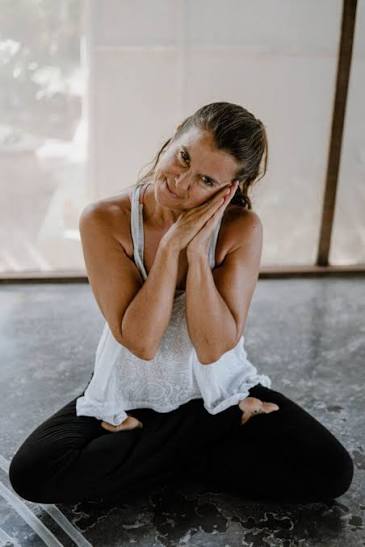
Cross your shins so that each foot rests beneath the opposite knee. The knees should be comfortably close to the floor; if they don’t reach, sit on a block.
3. Align the Spine
Lengthen through the crown of the head, gently tuck the chin, and draw the shoulder blades down the back. Engage the core lightly to protect the lower back.
4. Rest Your Hands
You may place palms on your knees, in chin mudra, or simply rest them in your lap with palms up.
5. Breathe
Take slow, diaphragmatic breaths. Count to four on the inhale, hold briefly, and exhale for a count of six. Continue for three to five minutes.
Common Mistakes and How to Fix Them
- Knees lifted off the ground: Use a bolster or sit on a folded blanket to raise the hips.
- Rounded back: Imagine a string pulling the crown of your head upward; keep the chest open.
- Excessive tension in the shoulders: Drop the shoulders away from the ears and relax the jaw.
- Forcing the hips: If the pose feels painful, opt for a half‑crossed position or a seated forward fold instead.
Variations to Deepen Your Practice
If you feel comfortable in the basic pose, explore these options:
- Bound Sukhasana: Wrap your arms around your back and clasp the hands, creating a gentle chest opening.
- Reclined Sukhasana: Lie back on a bolster while keeping the legs crossed, useful for restorative sessions.
- Twisted Sukhasana: After settling, gently rotate the torso to one side, using the opposite hand on the knee for leverage.
When to Use Sukhasana in Your Routine
Sukhasana works well at the beginning of a class to center the mind, during pranayama practice, or at the end of a session for meditation. It is also an excellent posture for chanting, mantra recitation, or simply taking a mindful break during the day.
Closing Thoughts
Even though Sukhasana appears modest, its impact on posture, breath, and mental calm can be transformative. Treat the pose as a daily reset button; a few minutes in Easy Pose can anchor your practice and improve overall well‑being.
Frequently Asked Questions
What is the primary purpose of Sukhasana?
To create a stable, comfortable seated base for breathing and meditation.
Can beginners practice Sukhasana without props?
Yes, but a cushion or blanket can help if hips are tight.
Which part of the body benefits most from proper spinal alignment in Sukhasana?
The lower back.
Is it safe to hold Sukhasana for long periods if you have knee issues?
Use a block or modify the leg position to reduce strain.
Test Your Knowledge and Win Coupons to Get Discounts
Have a correction or improvement to suggest?
Log in or create a free accountRelated Videos

Why America Needs to Bring Back Sacred Ceremonies to Heal and Raise Our Vibration!

Pakistan give my baby back. #pakistan #baby #india #war #hippie
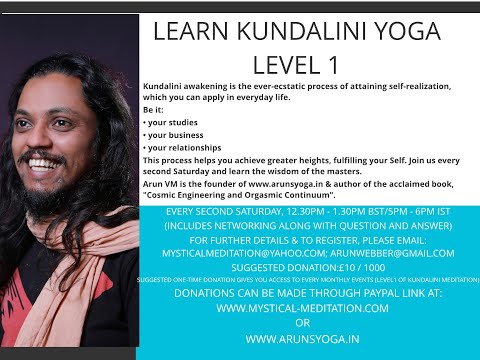
Online Kundalini Yoga Learning Session Level 1 For Beginners

Kundalini Yoga Level 1 – A Simple Meditation Technique To Transmute Your Sexuality Into Creativity

#145 Vrikshasana Learn Yoga with Anu?

#141 Trikonasana. Learn yoga with anu?

Euke #meditation

Explaining the Wheel Pose to a Blind Person


Leave a Reply