What Is Siddhasana?
Siddhasana, often called the Accomplished Pose, is a classic cross‑legged sitting posture that has been used for centuries to support deep meditation and pranayama practice.
Key Benefits of Practicing Siddhasana
When performed correctly, Siddhasana offers several physical and mental advantages:
- Spinal alignment: The pose naturally lengthens the spine, encouraging an erect yet relaxed posture.
- Improved circulation: Gentle compression of the thighs promotes healthy blood flow to the lower abdomen.
- Calm mind: By creating a stable base, the pose helps quiet mental chatter, making it easier to enter a meditative state.
- Enhanced digestion: The forward tilt of the pelvis can stimulate the digestive organs.
Step‑by‑Step Guide to Enter Siddhasana
1. Prepare Your Space
Choose a quiet area with a yoga mat or a firm cushion. Sit on the edge of the prop so that your hips can settle comfortably.
2. Position Your Legs
Bring one heel toward the perineum (the area between the genitals and the anus) and tuck the opposite foot beside the calf. The heel of each foot should rest close to the groin, allowing the knees to drop naturally.
3. Align Your Spine
Lengthen the crown of the head toward the ceiling, lift the sternum, and gently tuck the chin slightly. Imagine a string pulling the top of your head upward.
4. Set Your Hands
Traditional Siddhasana places the hands in jnana mudra—the tips of the index fingers touching the tips of the thumbs, forming a circle. Rest the elbows on the knees, shoulders relaxed.
5. Breathe and Stay
Take slow, deep breaths. Stay for 5–10 minutes initially, gradually increasing the duration as comfort improves.
Common Alignment Tips
- Keep the knees relaxed; they should not be forced upward.
- If the hips feel tight, sit on a folded blanket to elevate the pelvis.
- Avoid rounding the lower back; engage the core gently to maintain a neutral spine.
Variations and Modifications
For beginners, the Half Siddhasana (placing only one foot near the perineum while the other rests beside the thigh) can be a gentler entry point. Advanced practitioners may practice Siddhasana with a straight spine and extended gaze for deeper concentration.
When to Avoid Siddhasana
People with severe knee or hip injuries, sciatica, or acute lower‑back pain should consult a qualified teacher before attempting this pose. Pregnant practitioners may find the posture uncomfortable and should opt for a supported cross‑legged seat.
Integrating Siddhasana Into Your Routine
Use Siddhasana as a foundation for meditation, pranayama, or chanting. Even a brief 3‑minute session each morning can set a tone of calm and focus for the day ahead.
Conclusion
While Siddhasana appears simple, its subtle alignment cues make it a powerful tool for cultivating inner stillness. With consistent practice, you’ll notice improved posture, clearer breathing, and a steadier mind—hallmarks of the Accomplished Pose.
Frequently Asked Questions
What makes Siddhasana especially suited for meditation?
Its stable, symmetrical base promotes a balanced spine and calm mind.
Can beginners practice Siddhasana without a cushion?
A cushion or folded blanket is recommended to ease hip tension for beginners.
Is Siddhasana safe for people with knee injuries?
Those with serious knee or hip problems should modify the pose or seek professional guidance.
How long should a typical Siddhasana session last for a new practitioner?
Start with 3–5 minutes and gradually increase as comfort improves.
Test Your Knowledge and Win Coupons to Get Discounts
Have a correction or improvement to suggest?
Log in or create a free accountRelated Videos

Meditation To Solve Mental And Emotional Blocks

#44 Had very deep #spiritual and #shamanic discussion with head hunting #tribes of #nagaland

Kundalini Yoga Level 1 – A Simple Meditation Technique To Transmute Your Sexuality Into Creativity

Explaining the Wheel Pose to a Blind Person

Euke #meditation

#141 Trikonasana. Learn yoga with anu?
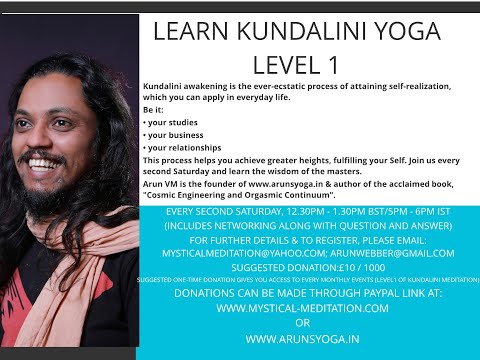
Online Kundalini Yoga Learning Session Level 1 For Beginners

#145 Vrikshasana Learn Yoga with Anu?







Leave a Reply