What Is Svastikasana?
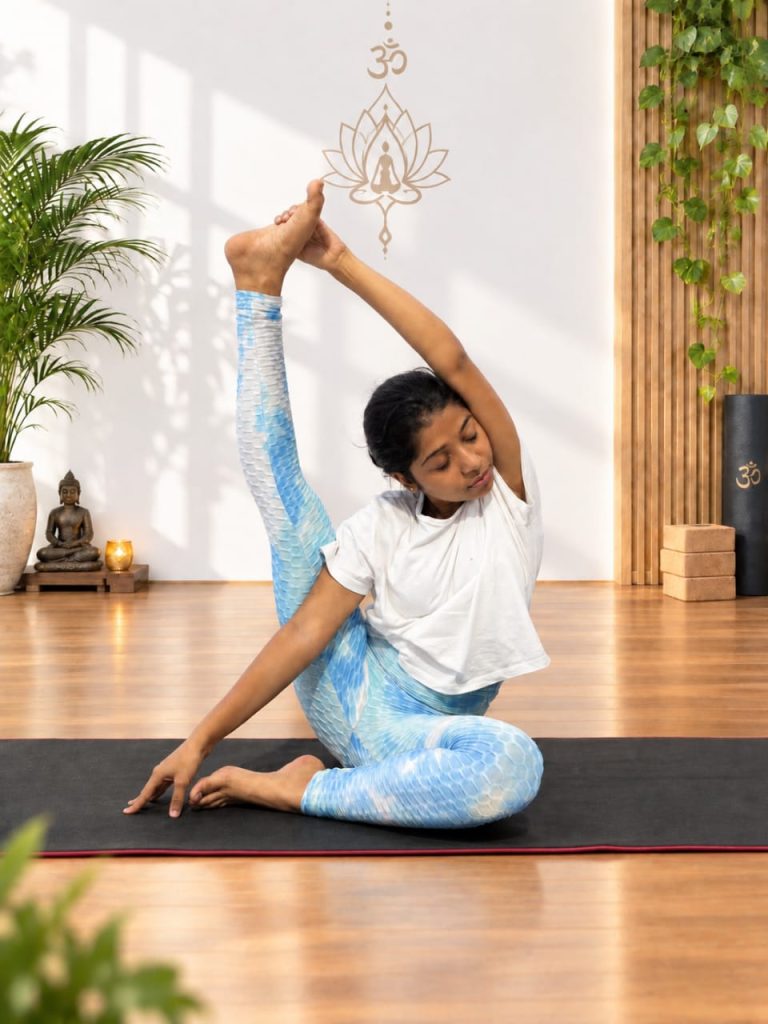
Svastikasana, often called the “Cross‑Legged Pose of Auspiciousness,” is a seated yoga asana that brings the feet together in a symmetrical, interlaced pattern resembling an ancient swastika symbol. The pose encourages a balanced pelvis, opens the hips, and creates a stable base for meditation or pranayama.
Key Benefits
- Improves pelvic alignment and reduces tension in the lower back.
- Opens the hip joints gently, aiding flexibility for deeper forward bends.
- Calms the nervous system by providing a grounded seat for breath work.
- Enhances energy flow through the muladhara and svadhisthana chakras.
- Supports mindfulness and concentration during seated meditation.
Step‑by‑Step Alignment
1. Prepare Your Space
Use a folded blanket or yoga mat. Sit upright with your spine tall, shoulders relaxed, and gaze forward or gently closed.
2. Position the Feet
Bring the soles of your feet together, letting the heels rest close to the perineum. Allow the knees to drop outward, forming a diamond shape. If the knees do not reach the floor, place a block or folded towel under each knee for support.
3. Align the Torso
Engage the core gently, lengthen the crown of the head toward the ceiling, and keep the chest open. Avoid collapsing the lower back; maintain a slight lift in the sacrum.
4. Hands and Breath
Rest your hands on the knees, palms up or down, or bring them into a mudra that feels natural. Inhale deeply, expand the ribs, and exhale slowly, feeling the stability of the pose.
Common Mistakes and How to Fix Them
- Rounding the lower back – engage the core and sit on a thin cushion to preserve the natural curve.
- Knees not reaching the floor – use props or practice a modified half‑Svastikasana with one foot tucked.
- Forcing the hips open – move slowly, respect your body’s limits, and practice hip‑opening stretches beforehand.
Modifications for Different Levels
Beginner: Sit on a firm block, keep the heels slightly apart, and use a strap around the thighs to maintain alignment.
Intermediate: Add a gentle forward fold, reaching the arms overhead while keeping the spine tall.
Advanced: Transition into a seated twist by rotating the torso toward one knee, deepening the spinal twist while maintaining the cross‑legged base.
Safety Precautions
- Avoid the pose if you have acute knee injuries or severe hip inflammation.
- Never push into pain; a mild stretch is beneficial, but sharp discomfort signals a need to adjust.
- Consult a qualified instructor if you are pregnant, especially after the first trimester.
Integrating Svastikasana Into Your Practice
Use Svastikasana as a grounding seat at the start of a meditation session, after a dynamic flow, or as a transition into seated pranayama techniques such as Nadi Shodhana. Even a few minutes daily can enhance pelvic stability and mental clarity.
Conclusion
When practiced with awareness, Svastikasana offers a harmonious blend of physical alignment and energetic balance. Its simple yet profound structure makes it a valuable tool for anyone seeking steadier hips, a calmer mind, and a solid platform for deeper yogic work.
Frequently Asked Questions
Can Svastikasana be practiced by beginners?
Yes, beginners can practice a modified version using props such as blocks or blankets to support the knees and maintain alignment.
What should I do if my knees do not touch the floor?
Place a folded towel or yoga block under each knee, or practice a half‑Svastikasana with one foot tucked, to keep the pose comfortable.
Is Svastikasana safe during pregnancy?
It is generally safe after the first trimester if you avoid deep forward bends and listen to your body, but consult a qualified teacher first.
Test Your Knowledge and Win Coupons to Get Discounts
Have a correction or improvement to suggest?
Log in or create a free accountRelated Videos

#141 Trikonasana. Learn yoga with anu?

Explaining the Wheel Pose to a Blind Person

#144 Chakrasana Learn yoga with anu?

Why America Needs to Bring Back Sacred Ceremonies to Heal and Raise Our Vibration!

#145 Vrikshasana Learn Yoga with Anu?

When I work with the #body of #people. #shorts

Felicity feline sharing her experience with yoga. #meditation #tantra #yoga

We need to learn how to open up our body for full pleasure.


Leave a Reply