Why Ardha Padmasana Matters
Ardha Padmasana, commonly known as Half Lotus, is a foundational seated posture that builds hip mobility, strengthens the core, and prepares the body for deeper meditative practices. Unlike the full lotus, it offers a gentler entry point, making it accessible to most practitioners while still delivering significant benefits.
Key Benefits
- Hip Flexibility: Stretches the external rotators, especially the piriformis and gluteus maximus.
- Spinal Alignment: Encourages an upright spine, which is essential for breath work.
- Mental Calm: A stable seat supports longer meditation sessions.
- Balance Development: Improves proprioception in the lower body.
Preparation Steps
Before attempting Ardha Padmasana, warm up the hips and knees with dynamic movements. Some effective warm‑up poses include Baddha Konasana (Bound Angle) and gentle seated twists.
1. Warm‑Up Sequence
Perform each pose for 30 seconds, breathing deeply:
- Cat‑Cow stretches to mobilize the spine.
- Supine Figure‑Four stretch to open the glutes.
- Seated ankle‑to‑knee stretch (Sukhasana variation).
2. Alignment Cues
When you settle into Half Lotus, keep these points in mind:
- Knees: Keep them pointing outward, not collapsing inward.
- Pelvis: Slightly tuck the tailbone to maintain a neutral spine.
- Shoulders: Roll them back and down, creating space in the chest.
Step‑by‑Step Instructions
Step 1: Begin in a comfortable cross‑legged seat such as Sukhasana.
Step 2: Gently lift the right foot and place the sole on the left thigh, with the heel as close to the hip crease as possible. The sole should face upward, but the toes may point slightly outward.
Step 3: Keep the left leg extended or bend it slightly at the knee for extra support, especially if you feel strain.
Step 4: Lengthen through the crown of the head, drawing the navel toward the spine. Maintain an even breath.
Step 5: Hold the pose for 30 seconds to one minute, then release gently and repeat on the opposite side.
Common Mistakes and How to Fix Them
- Rushing the entry: If the knee feels compressed, stay in a preparatory pose until the muscles soften.
- Collapsing the knee inward: Use a yoga block under the thigh for support.
- Slouching the spine: Engage the core lightly and imagine a string pulling the crown upward.
Modifications for Different Levels
Beginners can place a folded blanket under the sitting bones to raise the hips, reducing pressure on the knees. Advanced practitioners might transition from Half Lotus to Full Lotus once the hips comfortably allow the deeper rotation.
Integrating Half Lotus into Your Practice
Ardha Padmasana works well as a transition into seated meditation, pranayama, or longer holds like Padmasana. Try chaining it after a series of standing forward bends to keep the hamstrings engaged while the hips open.
Safety Precautions
Always listen to your body. If you have a history of knee or hip injury, consult a qualified instructor before attempting the pose. Avoid forcing the foot onto the thigh; pain is a signal to back off.
Frequently Asked Questions
Can I do Ardha Padmasana if I have tight hips?
Yes, but start with supportive props and warm‑up poses to gradually increase flexibility.
How long should I hold Half Lotus in a typical session?
30 seconds to one minute per side is sufficient for most practitioners.
Is it safe to practice Half Lotus every day?
Daily practice is fine as long as you listen to your body and avoid pain.
Test Your Knowledge and Win Coupons to Get Discounts
Have a correction or improvement to suggest?
Log in or create a free accountRelated Videos

packing prasad to everyone who has contributed on srisailam havan.

Jogulamba Temple The Next Havan location 6th of 64

5th Havan of the 64 Shakti Peeth Havan — Srisailam

Fifth havan out of 64 in srisailam.

At India's largest tiger reserve getting ready for our fifth havan. all are welcome

Pvt group initiation into yoni mudra and tantra @mysore.

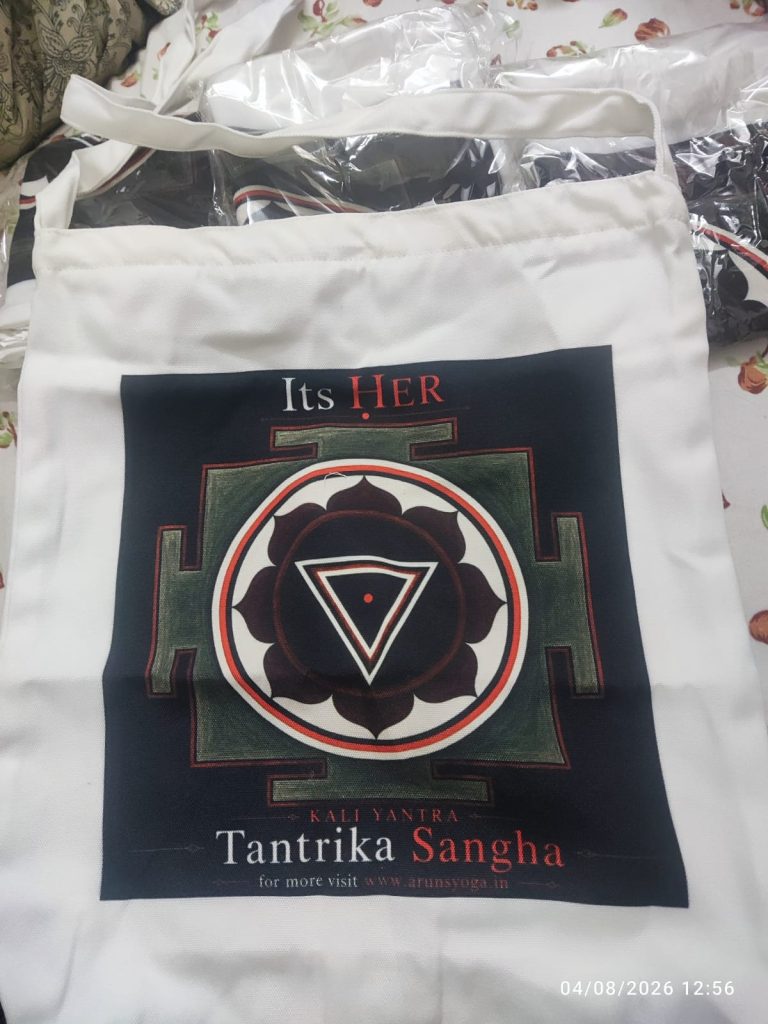
Kali yantra bags are available

Tantrik workshop with satyama


Leave a Reply