Introduction
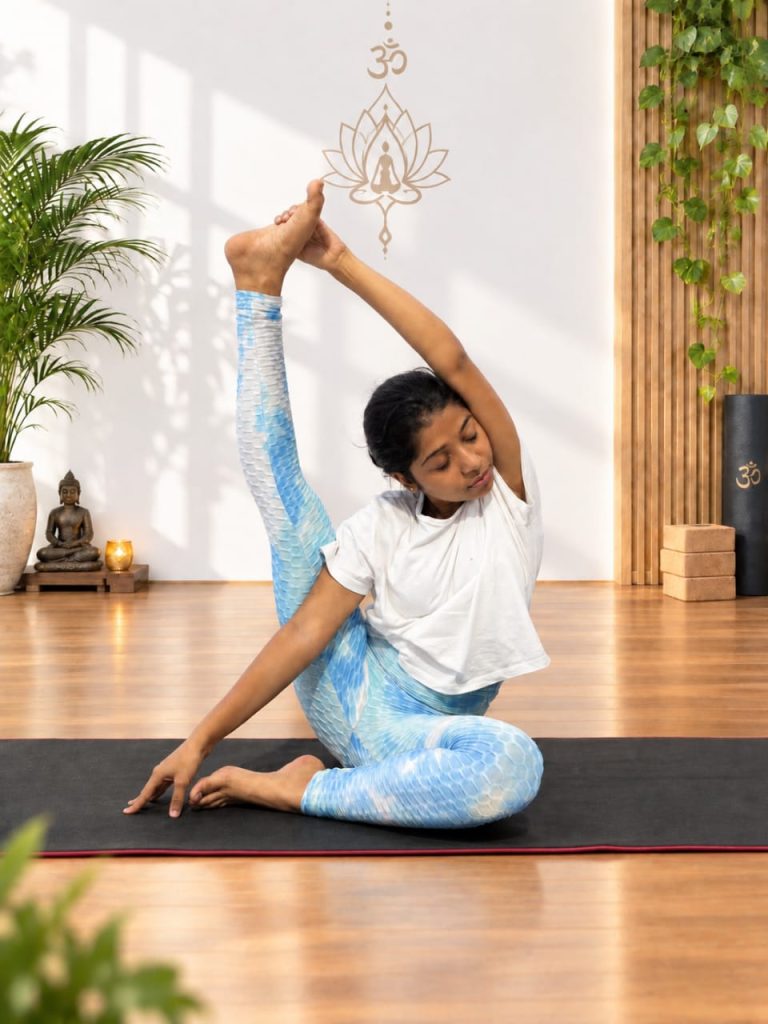
Janu Sirsasana, often called the Head‑to‑Knee Pose, is a seated forward‑fold that targets the hamstrings, calves, and the entire posterior chain while encouraging a gentle opening of the lower back. Practitioners who master the pose often notice improved posture, deeper breath capacity, and a calmer mind.
Key Benefits
When performed with proper alignment, Janu Sirsasana offers several physical and mental advantages:
- Hamstring flexibility – The pose lengthens the hamstrings and the sciatic nerve.
- Spinal alignment – A long spine in the fold protects the lumbar region.
- Improved digestion – The gentle compression of the abdomen stimulates peristalsis.
- Stress reduction – The forward‑fold activates the parasympathetic nervous system.
Step‑by‑Step Guide
Follow these simple actions to enter the pose safely:
- Start seated: Extend both legs in front of you, feet flexed, and sit tall on the sit‑bones.
- Find the hinge: Inhale, lengthen the spine, and exhale as you hinge at the hips, keeping the chest open.
- Place the head: Bring the chin toward the knee of the bent leg; the forehead may rest on the shin or thigh.
- Adjust the opposite leg: The other leg can stay straight, be bent, or be tucked under the body for a gentler variation.
- Engage core and breathe: Press the sitting bones into the mat, engage the core, and maintain steady, diaphragmatic breathing for 30‑60 seconds.
Alignment Tips
Maintain a long spine by imagining a string pulling the crown of your head upward. Avoid rounding the lower back; if you feel tension, bend the knee of the straight leg slightly or place a blanket under the hips.
Common Mistakes
Many students collapse their chest, force the head onto the knee, or lock the knees. These actions compress the lumbar spine and increase injury risk. Instead, keep the neck relaxed and only go as far as your hamstrings comfortably allow.
Modifications and Props
If tight hamstrings limit your range, use a yoga strap around the foot of the straight leg and gently pull the strap toward you. Sitting on a folded blanket elevates the hips, reducing strain on the lower back.
Contraindications
People with severe hamstring injuries, sciatica, or recent lumbar surgery should avoid deep forward folds. Pregnant practitioners may prefer a gentler variation with the back supported against a wall.
Breathing and Mindfulness
Coordinate each inhale with a slight lift of the spine and each exhale with a softening of the torso toward the leg. This breath‑movement sync helps release tension and cultivates a meditative focus.
Integrating Janu Sirsasana into Your Practice
Include the pose at the end of a dynamic warm‑up or as a calming transition before savasana. Practicing 3‑5 breaths each side daily can gradually increase flexibility without overstressing the connective tissue.
Frequently Asked Questions
What primary muscle group does Janu Sirsasana stretch?
The hamstrings.
Can Janu Sirsasana be practiced by beginners?
Yes, with proper modifications.
Is it safe to practice this pose if you have lower back pain?
Only with a qualified teacher and gentle variations.
Which prop is most commonly used to assist the pose?
A yoga strap.
How long should you hold Janu Sirsasana in a typical session?
30 to 60 seconds per side.
Test Your Knowledge and Win Coupons to Get Discounts
Have a correction or improvement to suggest?
Log in or create a free accountRelated Videos

#44 Had very deep #spiritual and #shamanic discussion with head hunting #tribes of #nagaland

Why America Needs to Bring Back Sacred Ceremonies to Heal and Raise Our Vibration!

#141 Trikonasana. Learn yoga with anu?

Explaining the Wheel Pose to a Blind Person

#144 Chakrasana Learn yoga with anu?

Pakistan give my baby back. #pakistan #baby #india #war #hippie

Dream journal is the first step to start with the Dream yoga.

tantra the straight sharp knife to higher consciousness


Leave a Reply