Introduction
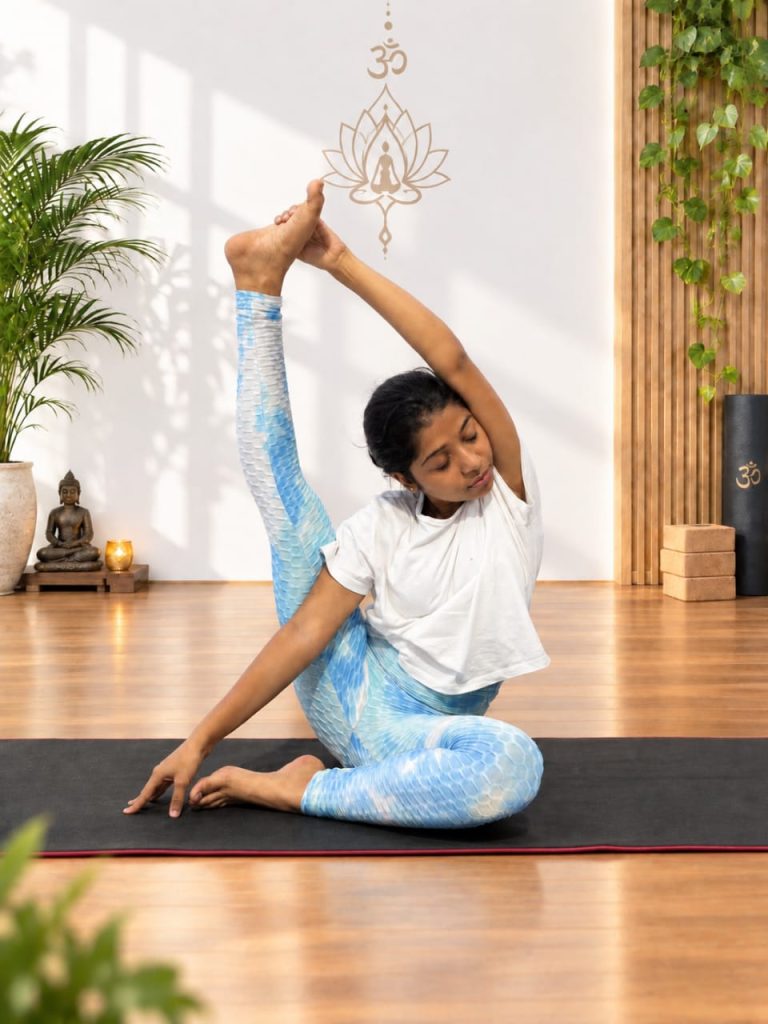
Pindasana, often called the Embryo Pose, is a seated forward‑fold that mimics the fetal position. It nurtures a sense of protection while delivering a deep stretch to the hips, lower back, and hamstrings. Practitioners use it as a calming transition between more dynamic postures or as a restorative finish to a yoga class.
Key Benefits
When practiced with proper alignment, Pindasana offers several physical and mental advantages:
- Hip opening: The wide‑legged stance releases tension in the adductors and groins.
- Spinal flexibility: A gentle forward fold encourages lengthening of the lumbar spine.
- Core engagement: Maintaining a long spine while folding activates the deep core muscles.
- Stress reduction: The curled shape promotes a parasympathetic response, easing anxiety.
Alignment Essentials
To keep the pose safe and effective, focus on these alignment cues:
- Start in a wide‑legged seated position with feet flexed and knees bent outward.
- Lengthen the tailbone toward the floor while gently tucking the pelvis under.
- Inhale to lift the crown, creating a tall spine; exhale as you fold forward, keeping the spine long.
- Place hands on the floor beside the hips or on a block for support; avoid collapsing the chest onto the thighs.
Step‑by‑Step Guide
1. Set up the base: Sit with legs spread wide, toes pointing slightly upward.
2. Engage the core: Draw the navel toward the spine and gently engage the pelvic floor.
3. Lengthen the spine: Imagine a string pulling the crown of your head upward.
4. Fold forward: On an exhale, hinge at the hips, leading with the chest, not the head.
5. Find a comfortable rest: Rest your forearms on the floor, a bolster, or a block. Keep the neck relaxed.
Common Mistakes and How to Fix Them
Rounding the back too much can compress the lumbar discs. Counter this by actively lengthening the spine before each inhale.
Collapsing the chest reduces the stretch in the hips. Keep the chest open by drawing the shoulder blades gently together.
Forcing the forward fold may strain the hamstrings. Use props such as a bolster under the torso to maintain a gentle stretch.
Modifications and Props
If the full pose feels intense, sit on a folded blanket to elevate the hips, or place a block in front of you to rest the hands. A strap around the forearms can provide stability for beginners.
When to Avoid
Individuals with severe lower‑back injuries, herniated discs, or acute hamstring strains should approach Pindasana cautiously or skip it until cleared by a healthcare professional.
Conclusion
Pindasana is more than a simple forward fold; it offers a nurturing blend of hip opening, spinal lengthening, and mental calm. By respecting alignment cues and using props when needed, you can integrate this pose safely into any yoga practice.
Frequently Asked Questions
What primary area does Pindasana target?
The hips and lower back.
Can a bolster be used in Pindasana?
Yes, to support the torso.
Is Pindasana suitable for a warm‑up?
It’s best used as a transition or cool‑down.
What breath cue helps maintain spinal length?
Inhale to lift the crown, exhale to fold.
Test Your Knowledge and Win Coupons to Get Discounts
Have a correction or improvement to suggest?
Log in or create a free accountRelated Videos

#141 Trikonasana. Learn yoga with anu?

#144 Chakrasana Learn yoga with anu?

Explaining the Wheel Pose to a Blind Person

Mastering Core Strength and Balance The Challenge Behind Simple Looking Yoga Poses

#44 Had very deep #spiritual and #shamanic discussion with head hunting #tribes of #nagaland

Prakruthi is the ultimate nature of the core feminine.

Dream journal is the first step to start with the Dream yoga.

Women who wear makeups makes more money than the rest. So please show off.



Leave a Reply