What Is Gomukhasana?
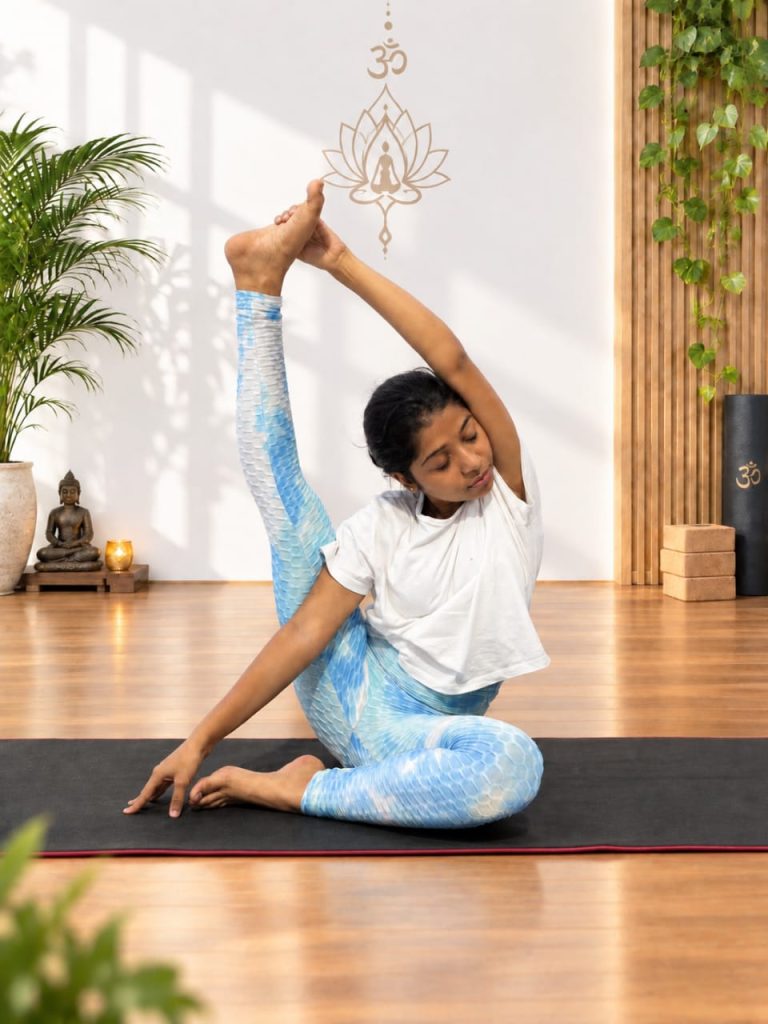
Gomukhasana, known in English as the Cow Face Pose, is a seated yoga posture that creates a deep stretch across the hips, thighs, and shoulders. The name comes from the Sanskrit words gomu (cow) and kasa (face), because the crossed‑leg position resembles the face of a cow when viewed from the side.
Benefits of Cow Face Pose
This pose offers a range of physical and mental benefits:
- Hip opening: Stretches the external rotators, glutes, and piriformis.
- Shoulder flexibility: Opens the shoulder joint and lengthens the triceps.
- Spinal alignment: Encourages an upright spine, improving posture.
- Calming effect: The forward‑folding nature can soothe the nervous system.
Step‑by‑Step Alignment
Follow these detailed steps to enter Gomukhasana safely:
1. Prepare the seat
Sit on a folded blanket or yoga mat with your legs extended in front of you. Lengthen the spine and relax the shoulders.
2. Cross the legs
Bend your right knee, bringing the right foot to the outside of the left hip. Then bend the left knee, stacking it directly over the right knee and bringing the left foot to the outside of the right hip. The knees should be stacked as closely as possible; use a block or cushion between them if needed.
3. Align the torso
Lengthen through the crown of the head, engage the core, and keep the chest open. Avoid rounding the lower back.
4. Position the arms
Bring the right arm overhead, bend the elbow, and reach the hand down the spine. Simultaneously, bring the left arm behind the back, bend the elbow, and reach the hand upward. Aim to clasp the hands. If they do not meet, use a yoga strap, towel, or block.
5. Hold and breathe
Stay in the pose for 30‑60 seconds, breathing deeply. To release, unwind the arms first, then uncross the legs gently.
Common Mistakes & Modifications
Practitioners often encounter these challenges:
- Forcing the knees together can strain the ligaments. Use a bolster between the knees.
- Rounding the back reduces the spinal benefits. Engage the core and lengthen the spine.
- Shoulder pain when clasping hands. Place a strap around the backs of the hands or keep the arms in a comfortable position without clasping.
Modifications include practicing with one leg crossed, using a wall for shoulder support, or keeping the arms in a simple “reverse prayer” position without the deep bind.
Tips for a Safe and Effective Practice
Here are practical suggestions to get the most out of Gomukhasana:
- Warm up the hips with poses like Baddha Konasana or gentle lunges before attempting the full pose.
- Keep the shoulders relaxed; roll them away from the ears.
- If you have knee issues, keep the knees slightly apart and place a blanket under the sit bones.
- Focus on even breathing; inhale to lengthen, exhale to deepen the stretch gently.
Frequently Asked Questions
Can beginners practice Gomukhasana?
Yes, beginners can start with the basic leg position and use props, gradually working toward the full bind.
What is the primary joint stretched in this pose?
The hip joint, especially the external rotators, receives the deepest stretch.
Is it safe to force the hands to clasp without a strap?
No, forcing the bind can strain the shoulders; using a strap or keeping the hands apart is recommended.
How long should you hold Gomukhasana?
30 to 60 seconds is typical, but listen to your body and adjust as needed.
Test Your Knowledge and Win Coupons to Get Discounts
Have a correction or improvement to suggest?
Log in or create a free accountRelated Videos

packing prasad to everyone who has contributed on srisailam havan.

Jogulamba Temple The Next Havan location 6th of 64

5th Havan of the 64 Shakti Peeth Havan — Srisailam

Fifth havan out of 64 in srisailam.

At India's largest tiger reserve getting ready for our fifth havan. all are welcome

Pvt group initiation into yoni mudra and tantra @mysore.

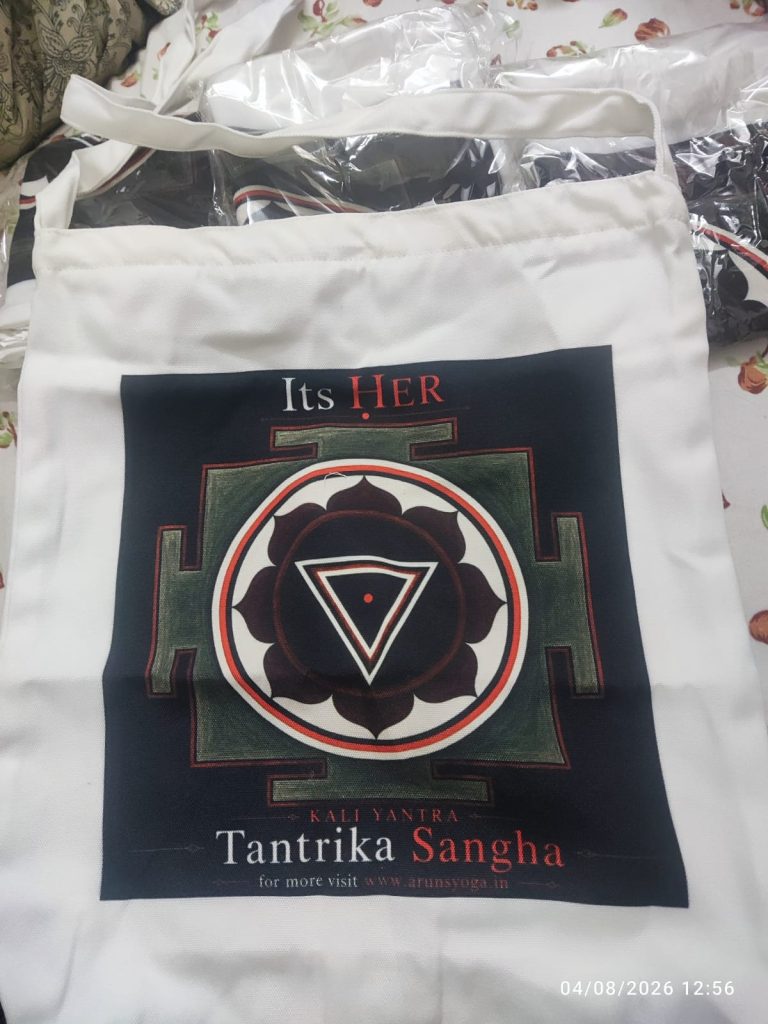
Kali yantra bags are available

Tantrik workshop with satyama


Leave a Reply