What Is Makarasana?
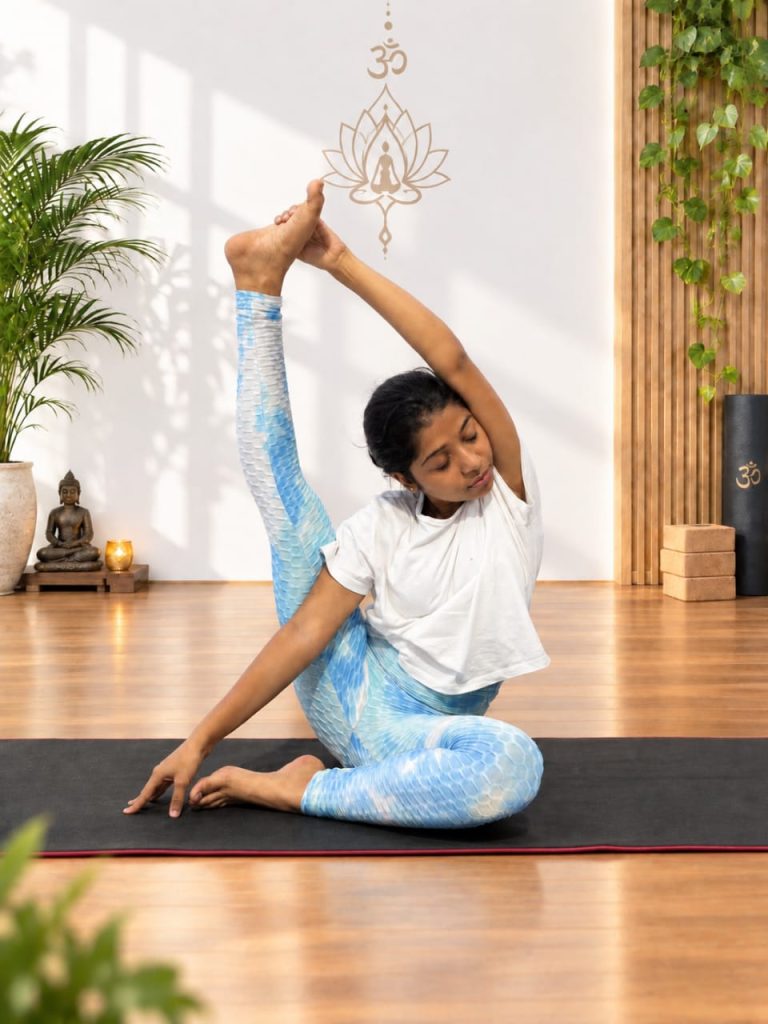
Makarasana, often called the Dolphin Pose, is a forward‑bending variation that mimics the sleek curve of a dolphin diving through water. Unlike the classic Dolphin Pose that rests on the forearms, Makarasana is performed on the hands, creating a deeper stretch across the spine, shoulders, and hamstrings while inviting a steady, mindful breath.
Key Benefits of Practicing Makarasana
Spinal Flexibility
The pose creates a gentle compression and extension rhythm that mobilises each vertebra. Over time, this helps lengthen the inter‑vertebral discs, improving overall spinal health and reducing stiffness.
Shoulder and Chest Opening
Because the hands are planted on the mat, the shoulders are forced to depress and protract, opening the chest and counteracting the forward‑hunched posture many spend hours in.
Calming the Nervous System
When paired with slow, diaphragmatic breathing, Makarasana stimulates the parasympathetic nervous system. The pranayama aspect encourages a calmer mind, making the pose ideal for evening practice or stress relief.
Step‑by‑Step Guide to Makarasana
Follow these precise steps to ensure safety and maximum benefit.
- Begin on your hands and knees in a tabletop position, aligning wrists under shoulders and knees under hips.
- Spread your fingers wide, pressing firmly through the base of the index finger and thumb to protect the wrists.
- Lift your hips upward, straightening the legs while keeping a slight bend in the knees if your hamstrings are tight.
- Shift your weight forward so your forearms come off the mat, creating a V‑shape with your body.
- Press the crown of your head toward the floor, allowing the neck to relax. Keep the gaze toward your thighs or the floor.
- Hold for 30–60 seconds, breathing evenly. To deepen, gently bend the elbows, lowering the forearms closer to the mat.
- To release, bend the elbows, lower your hips, and return to tabletop.
Common Mistakes and How to Fix Them
Rounded shoulders – If your shoulders creep up toward your ears, engage the shoulder blades by drawing them down and back.
Collapsed chest – Keep the chest open by lifting through the sternum and avoiding a hunched upper back.
Locked knees – Keep a micro‑bend in the knees to protect the hamstrings and maintain a fluid curve in the spine.
Integrating Makarasana Into Your Yoga Routine
Place Makarasana after a warm‑up sequence that includes Cat‑Cow (Marjaryasana/Bitilasana) and before deeper backbends such as Urdhva Mukha Svanasana. It works well as a transition from standing poses to floor work, and it can be repeated 2–3 times for cumulative benefits.
For a balanced practice, pair Makarasana with a forward fold like Paschimottanasana to stretch the opposite muscle groups, and finish with a gentle supine twist to release any residual tension.
Frequently Asked Questions
Can beginners practice Makarasana safely?
Yes, beginners can modify the pose by keeping the knees slightly bent and using a folded blanket under the forearms for wrist support.
What should I do if I feel wrist pain in Makarasana?
Distribute weight across the whole hand, press through the base of the thumb and index finger, and consider using yoga blocks under the forearms.
How often should I include Makarasana in my practice?
Practicing 2–3 times per week, holding for 30–60 seconds each time, is enough to see improvements in flexibility and breath awareness.
Is Makarasana beneficial for lower‑back pain?
When performed with proper alignment, the pose gently decompresses the lumbar spine and can alleviate mild lower‑back tension.
Can I combine Makarasana with pranayama?
Yes, pairing the pose with slow diaphragmatic breathing or Nadi Shodhana (alternate nostril breathing) enhances its calming effect.
Test Your Knowledge and Win Coupons to Get Discounts
Have a correction or improvement to suggest?
Log in or create a free accountRelated Videos

packing prasad to everyone who has contributed on srisailam havan.

Jogulamba Temple The Next Havan location 6th of 64

5th Havan of the 64 Shakti Peeth Havan — Srisailam

Fifth havan out of 64 in srisailam.

At India's largest tiger reserve getting ready for our fifth havan. all are welcome

Pvt group initiation into yoni mudra and tantra @mysore.

Kali yantra bags are available

Tantrik workshop with satyama


Leave a Reply