Introduction
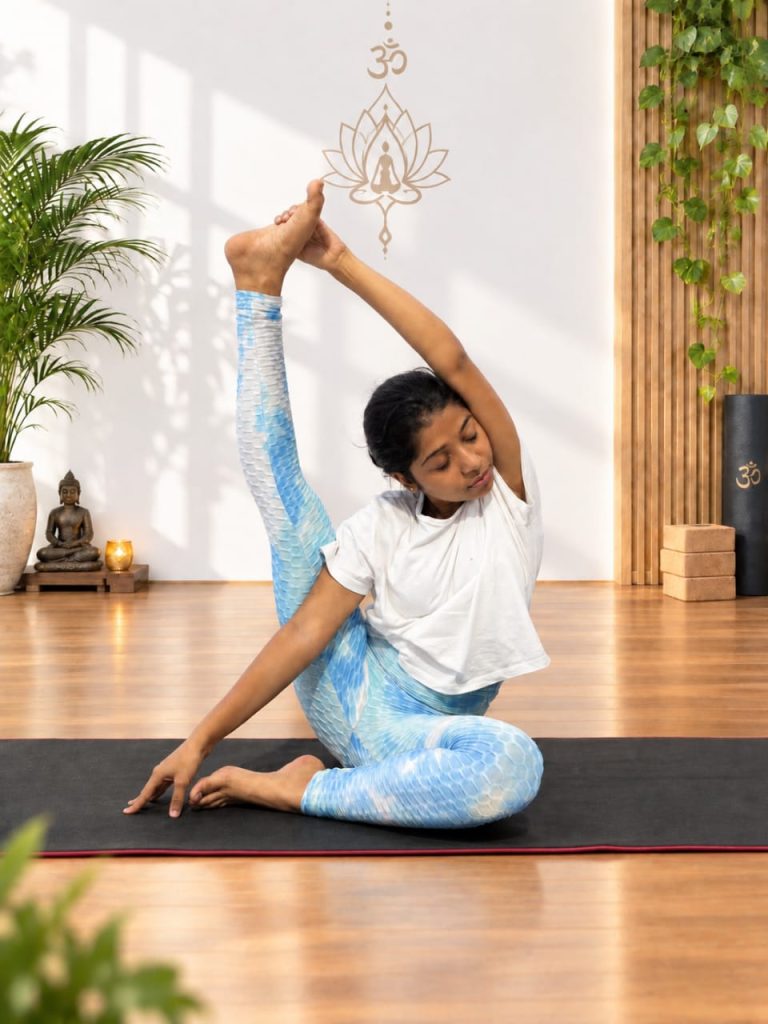
Eka Pada Sirsasana, often called the One‑Leg‑Behind‑Head Pose, is a striking advanced asana that tests both flexibility and balance. While it looks dramatic, the pose can be approached methodically, allowing practitioners to build the necessary strength and joint mobility without injury.
Benefits of Practicing Eka Pada Sirsasana
When performed correctly, this pose offers several physical and mental advantages. Flexibility in the hips, hamstrings, and shoulders increases dramatically. Core stability improves because the torso must stay engaged to keep the spine aligned. Additionally, the pose cultivates concentration and confidence, as achieving such a challenging posture reinforces a sense of achievement.
Prerequisites and Preparation
Before attempting Eka Pada Sirsasana, establish a solid foundation with these preparatory poses:
- Janu Sirsasana – deepens hamstring and calf stretch.
- Supta Padangusthasana – improves hip flexibility.
- Marichyasana III – opens the shoulders and prepares the neck.
- Utkatasana with a block – builds core strength.
Consistently practicing these will make the transition into the full pose smoother and safer.
Step‑by‑Step Alignment Guide
1. Set up the foundation
Begin seated with both legs extended. Place a sturdy block or bolster behind your sacrum for support if needed. Engage the pelvic floor and lengthen the spine.
2. Position the first leg
Lift the right leg, bend the knee, and gently rest the foot on the back of the left thigh, similar to Janu Sirsasana. Keep the knee pointing outward to open the hip.
3. Bring the second leg behind the head
Slowly bend the left leg, guiding the foot toward the back of the head. Use your hands to support the thigh, then the calf, and finally the foot. If flexibility is limited, keep the foot on the forearm or use a strap.
4. Align the torso
Lengthen through the crown of the head, keep the chest open, and engage the core. The shoulders should stay relaxed, with the elbows tucked close to the ribs.
5. Find balance
Press gently through the seated bones, distribute weight evenly, and breathe deeply. Hold for 3–5 breaths before gently releasing.
Common Mistakes and How to Avoid Them
Rounding the back – This puts pressure on the lumbar spine. Keep the spine long by imagining a string pulling the crown upward.
Forcing the foot behind the head – Attempting the full expression before the hips are ready can strain the neck. Use props or stay in a partial variation until flexibility improves.
Collapsing the shoulders – Keep the shoulder blades drawn down and apart to protect the neck and maintain a stable base.
Modifications and Props
If you lack the range of motion, try these alternatives:
- Place the foot on the upper back instead of the head.
- Use a yoga strap around the thigh to guide the leg.
- Practice the pose on a folded blanket for extra cushioning.
These modifications let you experience the benefits while respecting your body’s limits.
Integrating Eka Pada Sirsasana into Your Practice
Include this pose toward the end of a balanced sequence, after your body is warmed up. Pair it with gentle forward bends and restorative twists to release any tension created during the deep stretch.
Remember, consistency beats intensity. Practicing the preparatory poses 2–3 times a week will gradually unlock the full expression of Eka Pada Sirsasana.
Frequently Asked Questions
What primary muscles are stretched in Eka Pada Sirsasana?
The hamstrings, glutes, and shoulders are the main muscles stretched.
Is it safe to attempt this pose with a neck injury?
No, you should avoid placing the foot behind the head if you have any neck issues.
Can beginners practice Eka Pada Sirsasana with props?
Yes, using blocks, blankets, or a strap can make the pose accessible for beginners.
How long should you hold the full pose?
Start with 3–5 breaths and gradually increase as flexibility improves.
Which preparatory pose helps open the hips for this asana?
Janu Sirsasana is an excellent hip‑opening preparatory pose.
Test Your Knowledge and Win Coupons to Get Discounts
Have a correction or improvement to suggest?
Log in or create a free accountRelated Videos

Explaining the Wheel Pose to a Blind Person

Mastering Core Strength and Balance The Challenge Behind Simple Looking Yoga Poses

#44 Had very deep #spiritual and #shamanic discussion with head hunting #tribes of #nagaland

#144 Chakrasana Learn yoga with anu?

#141 Trikonasana. Learn yoga with anu?

#145 Vrikshasana Learn Yoga with Anu?

Why America Needs to Bring Back Sacred Ceremonies to Heal and Raise Our Vibration!

We need to learn how to open up our body for full pleasure.


Leave a Reply