What Is Parighasana?
Parighasana, commonly called the Gate Pose, is a standing lateral stretch that opens the chest, stretches the groin and hamstrings, and builds stability in the legs. The Sanskrit name Parigha means “gate,” reflecting how the pose opens a doorway through the body’s side line.
Step‑By‑Step Alignment
Getting Ready
Start in Tadasana (Mountain Pose) with feet hip‑width apart. Ground evenly through all four corners of each foot. Inhale, raise your arms overhead, palms facing each other.
Entering the Gate
Exhale and step the right foot wide—about three to four feet—while keeping the left foot turned slightly outward. Turn the right heel down, left heel slightly up, and align the right heel with the arch of the left foot. Square your hips forward, engage the thigh muscles, and keep the spine long.
Inhale, lift the left arm up, and exhale as you hinge from the hips, sliding the left hand down the inner left leg. Reach the right arm over the head, keeping the shoulder relaxed. The torso should form a gentle arc, resembling a gate opening.
Hold for 30–45 seconds, breathing deeply, then reverse the sides.
Key Benefits
- Chest expansion that supports deeper breathing.
- Hip and groin flexibility, useful for many forward‑folds.
- Hamstring stretch without compressing the lower back.
- Improves balance and strengthens the standing leg.
- Activates the core, encouraging better posture throughout the day.
Common Mistakes and How to Fix Them
- Letting the front knee collapse inward –> engage the thigh and keep the knee tracking over the second toe.
- Rounding the upper back –> lengthen the spine first, then hinge from the hips.
- Placing too much weight on the front foot –> distribute weight evenly, grounding the back heel.
- Looking down, which compresses the neck –> keep the gaze forward or slightly upward.
Variations for Different Levels
- Beginner: Place the bottom hand on a block or a sturdy chair for support.
- Intermediate: Deepen the stretch by sliding the front foot farther forward and the back foot farther back.
- Advanced: Bind the opposite hands behind the back, or transition into a side‑bending flow with a twist.
Safety Tips and Contraindications
People with severe knee, hip, or low‑back injuries should modify the stance or avoid the pose. Always warm up the hips and hamstrings with gentle movements like Cat‑Cow or a short Sun Salutation before attempting Parighasana.
Integrating Parighasana Into Your Practice
Use this pose after a series of standing poses to create space before forward bends, or place it between Sun Salutations to balance lateral flexion with forward flexion. A short hold on each side can also serve as a calming transition before seated meditation.
Frequently Asked Questions
What primary area of the body does Parighasana target?
The chest and side body
Can beginners use a prop in Parighasana?
Yes, a block or chair can be used for support
How long should you hold Parighasana on each side?
30 to 45 seconds
Which muscle group is especially strengthened in the standing leg?
Quadriceps
Test Your Knowledge and Win Coupons to Get Discounts
Have a correction or improvement to suggest?
Log in or create a free accountRelated Videos

packing prasad to everyone who has contributed on srisailam havan.

Jogulamba Temple The Next Havan location 6th of 64

5th Havan of the 64 Shakti Peeth Havan — Srisailam

Fifth havan out of 64 in srisailam.

At India's largest tiger reserve getting ready for our fifth havan. all are welcome

Pvt group initiation into yoni mudra and tantra @mysore.

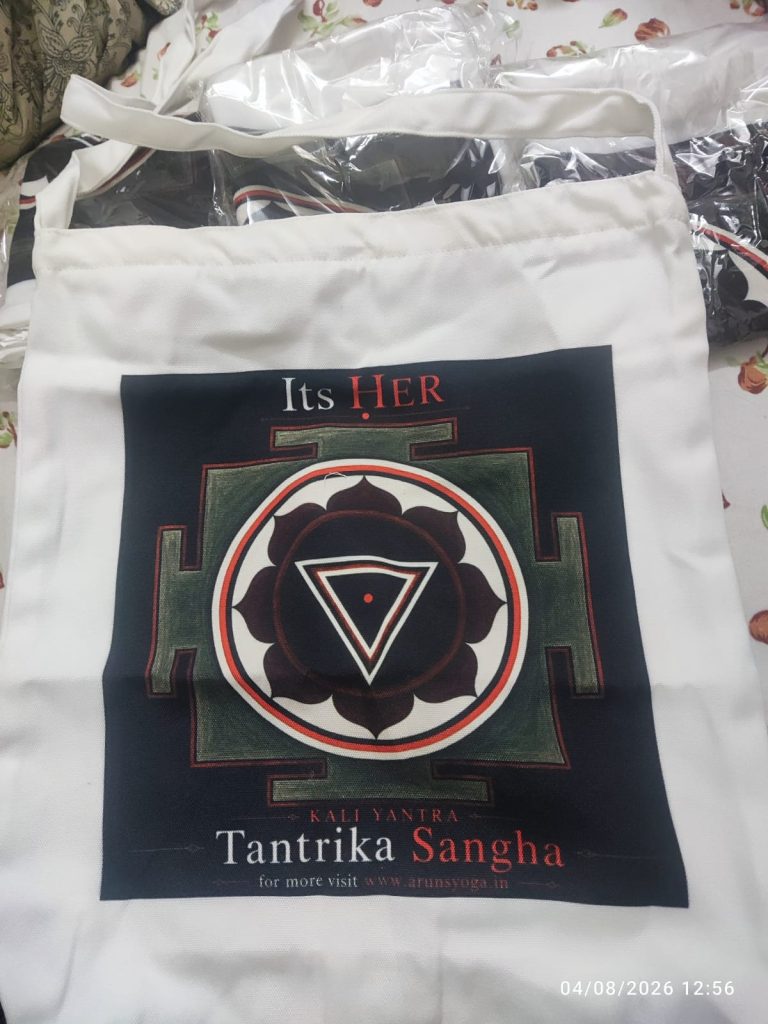
Kali yantra bags are available

Tantrik workshop with satyama


Leave a Reply