Understanding Gorakshasana
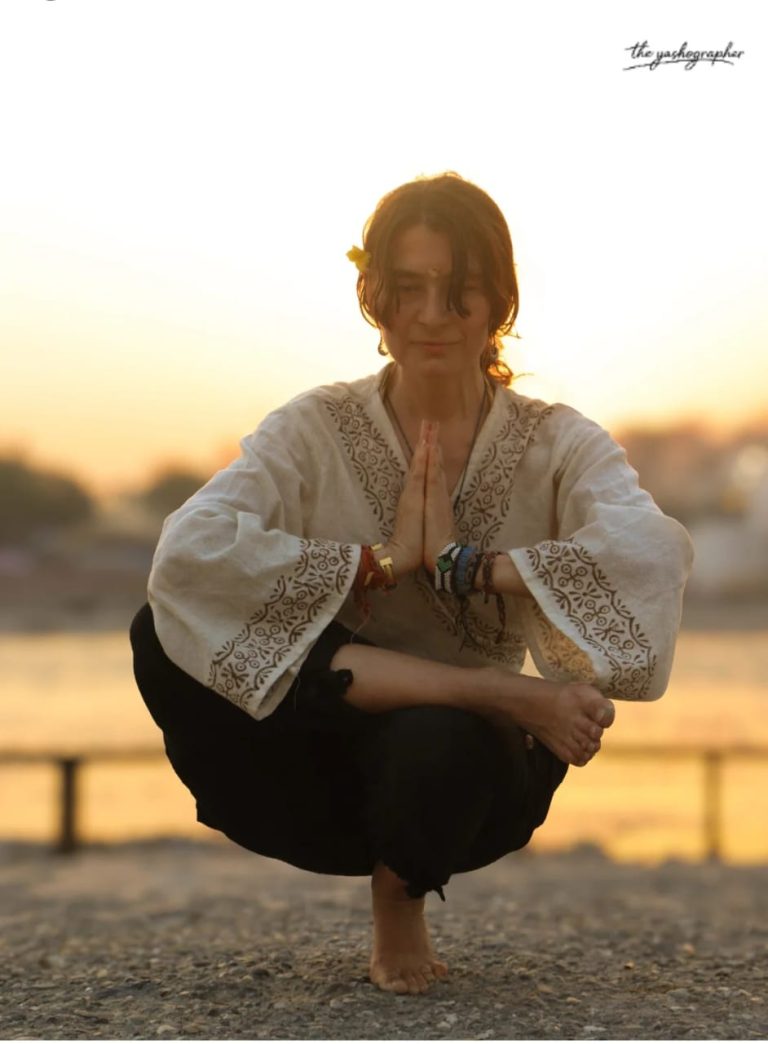
Gorakshasana, also known as the Cowherd Pose, is a seated balancing posture that challenges the core, hips, and mind. Named after the legendary yogi Gorakhnath, the pose cultivates stability, concentration, and a subtle opening of the hip joints. While it appears simple—sitting on one heel and extending the opposite leg—the alignment cues are critical for safety and effectiveness.
Core Benefits and Physical Impact
When performed correctly, Gorakshasana strengthens the abdominal muscles, improves spinal alignment, and stretches the hamstrings and quadriceps of the extended leg. The pose also engages the deep stabilizers of the pelvis, which can translate into better balance in standing asanas like Tree Pose or Warrior III.
When to Include It in Your Practice
This asana is ideal for practitioners who have a solid foundation in seated poses such as Virasana or Baddha Konasana. It works well in a sequence focused on hip openers, core conditioning, or meditation preparation, because the pose naturally invites a calm, inward focus.
Step‑by‑Step Guide
1. Begin in a comfortable seated position. Align your spine tall, shoulders relaxed, and gaze forward.
2. Bend the right knee and bring the right heel close to the sitting bone. The right foot may rest beside the hip or slightly behind it, depending on flexibility.
3. Extend the left leg straight forward. Keep the left knee active, the heel grounded, and the toes pointing up. If the hamstring is tight, bend the left knee slightly while maintaining the overall shape.
4. Shift weight onto the right sit bone. Engage the core, lengthen the spine, and gently press the right thigh into the thigh of the extended leg.
5. Raise the torso slightly. Aim to keep the chest open and the shoulders away from the ears. Balance the pose by distributing weight evenly between the right hip and the left foot.
6. Breathe deeply. Inhale to create length, exhale to deepen the stretch. Hold for 30 seconds to one minute, then release slowly and repeat on the opposite side.
Common Mistakes to Avoid
- Collapsing the chest forward, which strains the lower back.
- Allowing the extended leg to splay outward, reducing hip stability.
- Rounding the back; maintain a neutral spine throughout.
- Holding the breath; steady, diaphragmatic breathing supports balance.
Modifications and Props
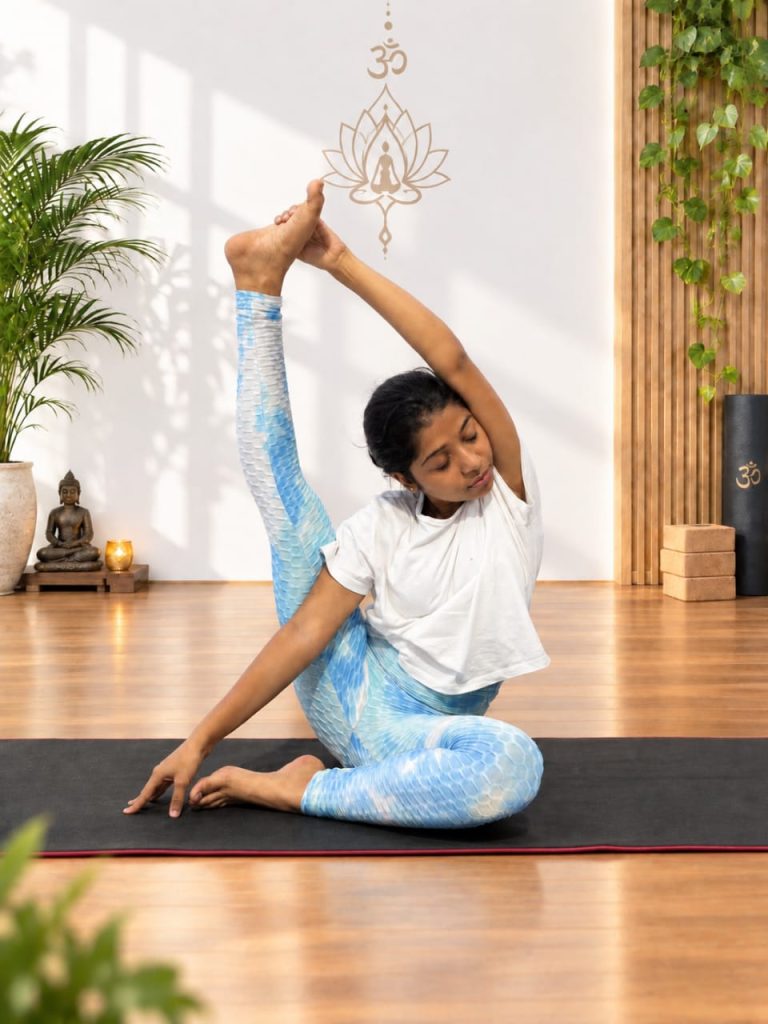
If flexibility is limited, place a folded blanket under the sitting bones or under the extended leg’s knee. A yoga block can support the raised hand if you wish to add an arm variation, such as reaching overhead.
Advanced practitioners may incorporate a bind by threading the opposite arm under the extended leg and clasping the hands behind the back, deepening the chest opening.
Safety Precautions
People with knee injuries, severe hamstring tightness, or lower back issues should approach Gorakshasana cautiously. Always warm up the hips and hamstrings with gentle stretches like Supine Hamstring Pull or Reclined Figure‑Four before attempting the full pose.
Consult a qualified yoga instructor if you experience sharp pain or instability.
Frequently Asked Questions
What primary muscle groups does Gorakshasana engage?
The core, hip flexors, and hamstrings.
Can Gorakshasana be practiced by beginners?
Only after they have built basic hip and core strength.
Is it safe to hold Gorakshasana for more than two minutes?
Yes, if the practitioner feels stable and experiences no discomfort.
What prop can help if the left leg is too tight?
A folded blanket or yoga block under the knee.
Does Gorakshasana have any mental benefits?
It improves focus and promotes calm awareness.
Test Your Knowledge and Win Coupons to Get Discounts
Have a correction or improvement to suggest?
Log in or create a free accountRelated Videos

Mastering Core Strength and Balance The Challenge Behind Simple Looking Yoga Poses

Explaining the Wheel Pose to a Blind Person

Left hand tantrism is insane.

#141 Trikonasana. Learn yoga with anu?

Prakruthi is the ultimate nature of the core feminine.

#145 Vrikshasana Learn Yoga with Anu?

#144 Chakrasana Learn yoga with anu?

Why America Needs to Bring Back Sacred Ceremonies to Heal and Raise Our Vibration!


Leave a Reply