Introduction to Lalita Devi Shakti Peetha
Lalita Devi Shakti Peetha is regarded as a significant pilgrimage site for devotees seeking spiritual growth and connection with the divine feminine energy, as emphasized in texts like the Devi Bhagavata Purana.
Significance of Lalita Devi Shakti Peetha
The Goddess worshipped here is Lalita, and the Bhairava is known as Bhava. According to mythological accounts, when Lord Shiva was grief-stricken over Sati’s death, he started the tandava, the dance of destruction. To stop this dance and save the universe, Lord Vishnu used his Sudarshan Chakra to cut Sati’s body into 51 pieces, which then fell at various places on the Earth, creating the Shakti Peethas.
History and Cultural Importance
Lalita Devi Shakti Peetha exemplifies the rich cultural heritage of India, as it is intricately linked to various regional traditions and practices, particularly those found in the Shakta tradition.
Pilgrimage and Worship
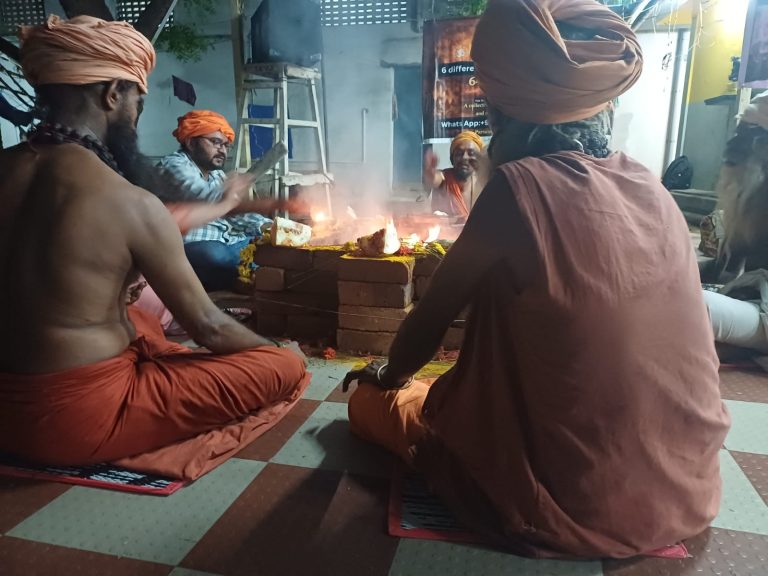
Devotees flock to Lalita Devi Shakti Peetha to pay their respects and seek blessings. The temple follows a strict routine for worship, with various rituals and ceremonies conducted throughout the day. The most auspicious times for visiting are considered to be during the Navratri festivals, when the goddess is adorned with magnificent decorations and the temple resonates with devotional songs and chants.
Getting There and Accommodation
Prayagraj, being a well-connected city, offers easy accessibility by air, rail, and road. The city has a range of accommodation options, from budget-friendly guesthouses to luxury hotels, ensuring a comfortable stay for pilgrims. Local transportation is also readily available, making it convenient for visitors to travel to and from the temple.
- By Air: The nearest airport is the Prayagraj Airport (formerly known as Allahabad Airport), which connects to major cities.
- By Rail: Prayagraj Junction is a significant railway station with frequent trains from all parts of the country.
- By Road: The city is well-connected by road, with regular bus services available from neighboring cities and states.
In conclusion, Lalita Devi Shakti Peetha is a must-visit destination for those interested in spirituality, history, and culture. Its significance as a Shakti Peetha adds to its allure, making it a cherished pilgrimage site.
Frequently Asked Questions
What is Lalita Devi Shakti Peetha?
Lalita Devi Shakti Peetha is one of the 18 significant Shakti Peethas located in Prayagraj, Uttar Pradesh, where Sati’s fingers are believed to have fallen.
Who is worshipped at Lalita Devi Shakti Peetha?
The Goddess worshipped at Lalita Devi Shakti Peetha is Lalita, and the Bhairava is known as Bhava.
How to reach Lalita Devi Shakti Peetha?
The peetha can be reached by air, rail, or road. Prayagraj has an airport, a major railway junction, and is well-connected by roads.
Rituals at Lalita Devi Shakti Peetha
The daily rituals performed at Lalita Devi Shakti Peetha include the recitation of the Lalita Sahasranama, a sacred text listing the thousand names of the goddess, which is believed to invoke her blessings and divine presence.
Rituals and Offerings at Lalita Devi Shakti Peetha
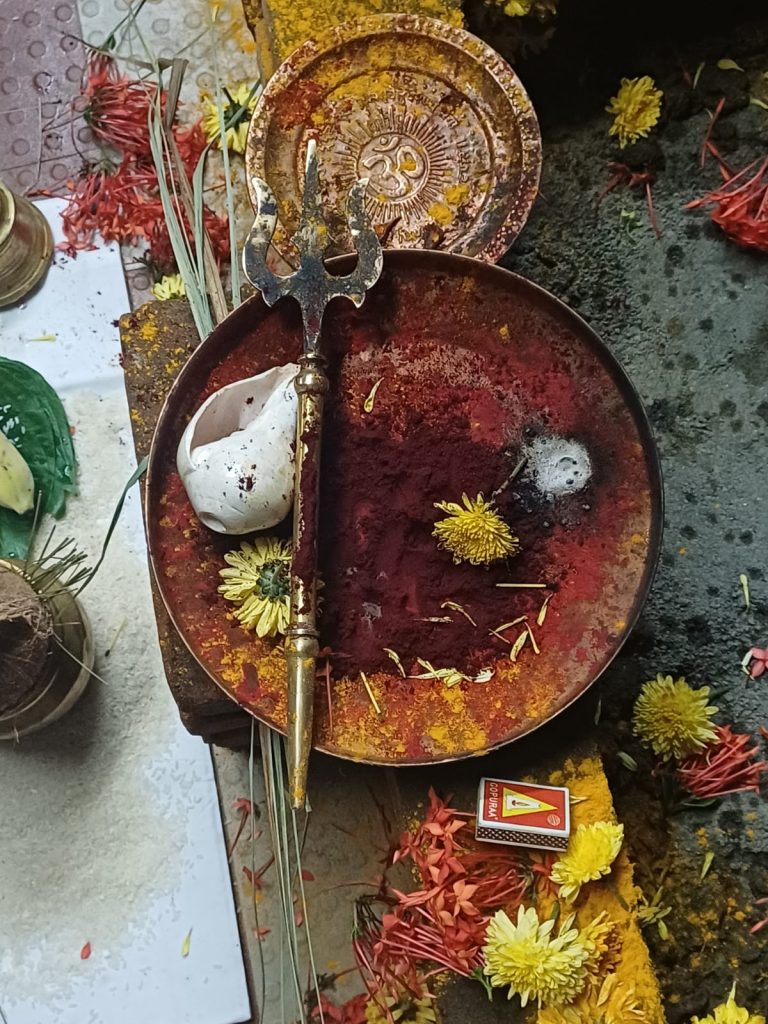
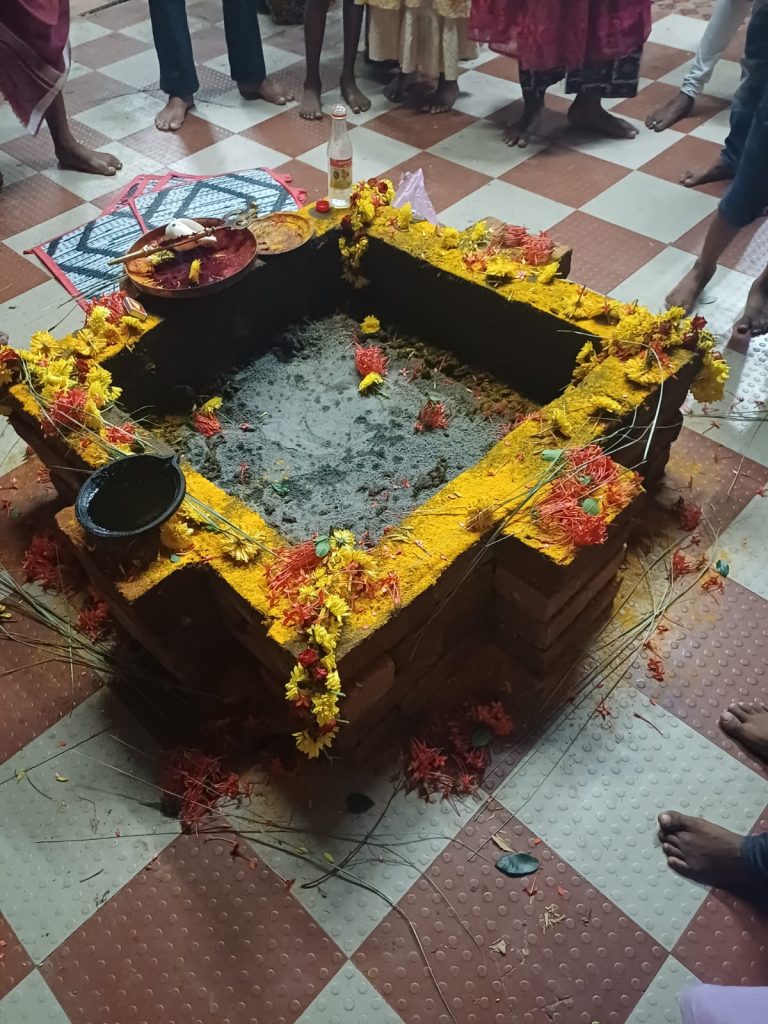
The rituals at Lalita Devi Shakti Peetha are rich in symbolism and tradition. Offerings such as flowers, fruits, and sweets are made to the goddess, and specific rituals are performed during auspicious occasions, particularly during Navratri, as described in the Markandeya Purana.
Test Your Knowledge and Win Coupons to Get Discounts
Have a correction or improvement to suggest?
Log in or create a free accountRelated Videos

navaratri havan 9 th day ending with poornavathi devi sidhidatri.

Navaratri havan day 8 gauri.

Navaratri havan day 7 devi kalaratri.

6th day navaratri havan devi karthyayini.

Navaratri havan day 5 skandamata.

Navaratri havan day 4 devi kushmanda.

Day 3 havan devi chamdrakanta

Navaratri second day havan in mysore devi brahmacharini







Leave a Reply