Introduction to Chandika Shakti Peetha
Located in the historically rich town of Munger, Bihar, the Chandika Shakti Peetha stands as a profound testament to the rich tapestry of Hindu mythology and the revered tradition of Shakti Peethas. This sacred site is believed to be the spot where Sati’s left eye fell, thus sanctifying the area and transforming it into a pivotal point of worship for the divine feminine energy, embodied by Goddess Chandika.
Mythological Significance
The myth behind the Shakti Peethas revolves around the legend of Sati, the consort of Lord Shiva, who immolated herself in a fit of rage and grief after her father, Daksha, disrespected her husband. In an attempt to comfort Shiva, who was grief-stricken and wandering the universe with Sati’s corpse, Lord Vishnu used his Sudarshana Chakra to dismember Sati’s body, and various parts of her body fell at different locations on the earth, which eventually became the Shakti Peethas.
The Divine Entities of Chandika Shakti Peetha
At Chandika Shakti Peetha, the Goddess is worshipped in her manifestation as Chandika, a fierce form of Durga, embodying the cosmic energy and the destroyer of evil. The Bhairava, or the masculine counterpart, is revered as Bhola, reflecting the attributes of Lord Shiva in his more placid and benevolent form.
Cultural and Spiritual Significance
Beyond its mythological origins, Chandika Shakti Peetha holds a significant cultural and spiritual position in the lives of its devotees. It is a place where believers seek to connect with the divine, pray for the fulfillment of their desires, and seek solace in times of trouble. The temple, adorned with intricate carvings and beautiful sculptures, is not only a marvel of architectural skill but also a testament to the enduring legacy of Hinduism.
Pilgrimage and Worship Practices
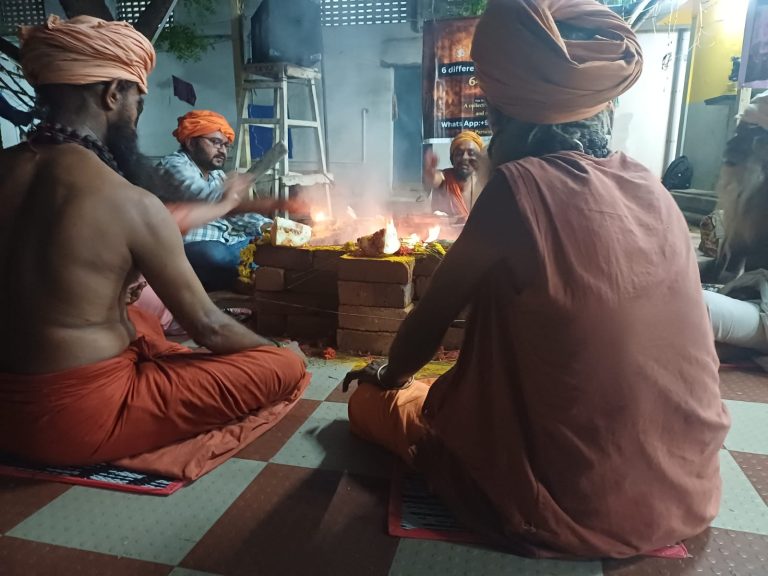
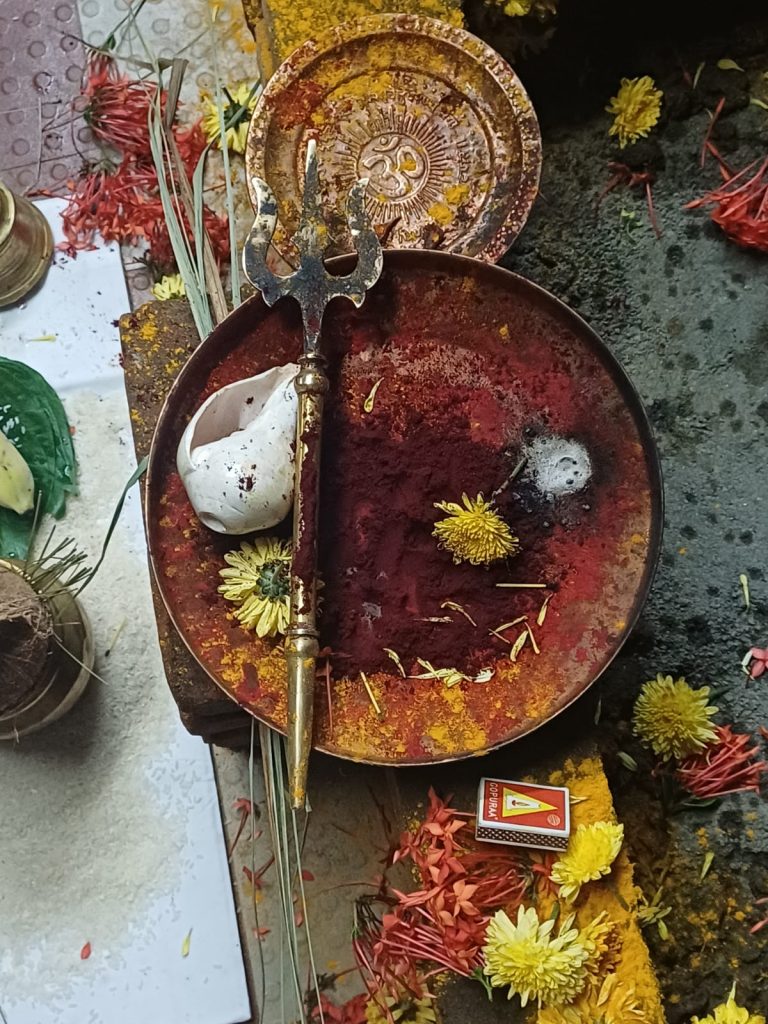
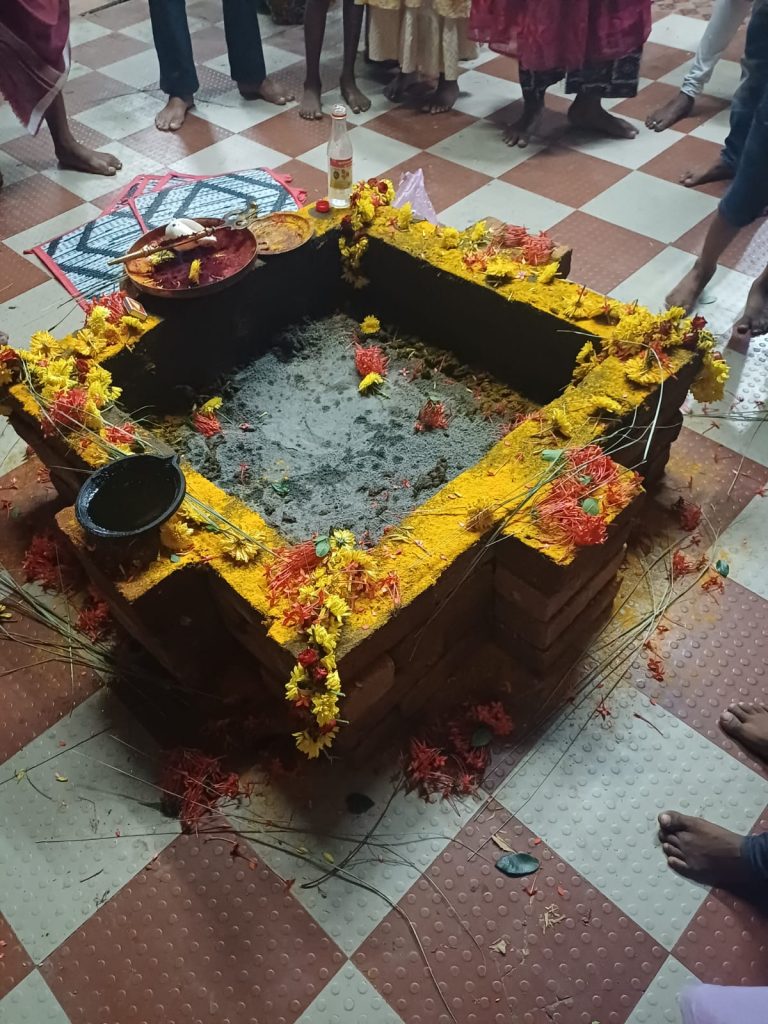
Pilgrims to Chandika Shakti Peetha participate in various rituals and practices aimed at appeasing the Goddess and seeking her blessings. These include offering prayers, performing pujas, and participating in the vibrant festivals that celebrate the divine feminine. The temple’s ambiance, filled with the chanting of mantras and the fragrance of incense, provides a serene and spiritually uplifting environment for devotees to immerse themselves in devotion and contemplation.
- The Navaratri festival, celebrating the nine forms of Durga, holds particular significance at Chandika Shakti Peetha, with each day dedicated to a different manifestation of the Goddess.
- Devotees also observe special pujas and offerings during the full moon and new moon phases, considered auspicious for spiritual growth and enlightenment.
- Visitors can explore the surrounding area, which is steeped in history and natural beauty, offering a well-rounded experience that combines spirituality with cultural exploration.
Conclusion
Chandika Shakti Peetha in Munger, Bihar, is more than a religious site; it is a gateway to understanding and embracing the essence of Hindu mysticism and the powerful symbolism of the Shakti Peethas. As one of the 64 revered Shakti Peethas, it stands as a beacon for those seeking spiritual enlightenment, peace, and connection with the divine feminine energy that permeates the universe.
Frequently Asked Questions
What is the mythological significance of Chandika Shakti Peetha?
Chandika Shakti Peetha is believed to be the site where Sati’s left eye fell, making it a significant pilgrimage site in Hindu mythology.
Who are the divine entities worshipped at Chandika Shakti Peetha?
The Goddess is worshipped as Chandika, and the Bhairava is revered as Bhola.
What is the cultural and spiritual significance of Chandika Shakti Peetha?
It holds a significant position in the lives of devotees as a place to connect with the divine, pray, and seek solace.
How do pilgrims participate in worship practices at Chandika Shakti Peetha?
Pilgrims participate in rituals, offer prayers, perform pujas, and celebrate festivals like Navaratri.
What makes Chandika Shakti Peetha a unique spiritual destination?
It combines spirituality with cultural exploration, set amidst historical and natural beauty.
Test Your Knowledge and Win Coupons to Get Discounts
Have a correction or improvement to suggest?
Log in or create a free accountRelated Videos

64 Shakti Peeth Havan – fourth Havan At Chamundi Hills mysore

64 Shakti Peeth Havan – Third Havan at Kanyakumari

64 Shakti Peeth Havan – Second Havan in Kanchipuram

5th Havan of the 64 Shakti Peeth Havan — Srisailam

Sacred Fire Journey: 64 Havans at 64 Shakti Peeths Explained

Shaktheyam is centred around feminine.

Explore the profound realms of female energy manifestation and sexual energy utilization.

Exploring the Divine Feminine and Masculine VEED




Leave a Reply