Introduction
The Kurma incarnation, the second avatar of Vishnu, assumes the form of a gigantic tortoise to support the world during the legendary churning of the ocean, or Samudra Manthan. By placing his back beneath the mountain Mandara, Kurma creates a stable base that allows the devas and asuras to rotate the mountain as a churn‑rope. This seemingly simple image carries deep cosmological, philosophical, and ecological meaning within Hindu tradition.
Mythic Origins
According to the Bhagavata Purana, when the gods sought the elixir of immortality (amrita), they required a sturdy vessel to stir the primordial waters. The mountain Mandara was offered, but without a steady foundation it began to sink. Vishnu, seeing the dilemma, transformed into Kurma, a colossal turtle, and positioned himself beneath the mountain. The story emphasizes divine intervention that balances chaotic forces, illustrating how stability emerges from humility.
Kurma’s Role in Samudra Manthan
During the churn, the devas used the serpent Vasuki as a rope while the asuras pulled in the opposite direction. Kurma’s shell absorbed the immense pressure, preventing the mountain from toppling. As the churning progressed, numerous treasures emerged: the moon, the divine horse Uchhaishravas, and finally the coveted amrita. Kurma’s unwavering support made the entire process possible, highlighting the principle that great achievements often rely on unseen foundations.
Symbolic Interpretations
Scholars interpret Kurma on several levels:
- Cosmic Stability – The turtle’s shell represents the earth’s axis, a pivot around which the universe rotates.
- Spiritual Patience – The slow, steady nature of a turtle mirrors the meditative patience required on the path to enlightenment.
- Ecological Wisdom – By venerating a creature that carries its home, Hinduism subtly promotes respect for ecosystems.
Worship and Festivals
While Kurma does not have a dedicated pan‑Indian festival, his image appears in many regional rituals, especially in South India during the month of Kartik. Temples dedicated to Vishnu often display a small turtle icon near the sanctum, reminding devotees of the avatar’s supportive role. Some Shaiva traditions also honor Kurma during the annual Kurma Navaratri, chanting verses that praise stability and resilience.
Legacy in Art and Culture
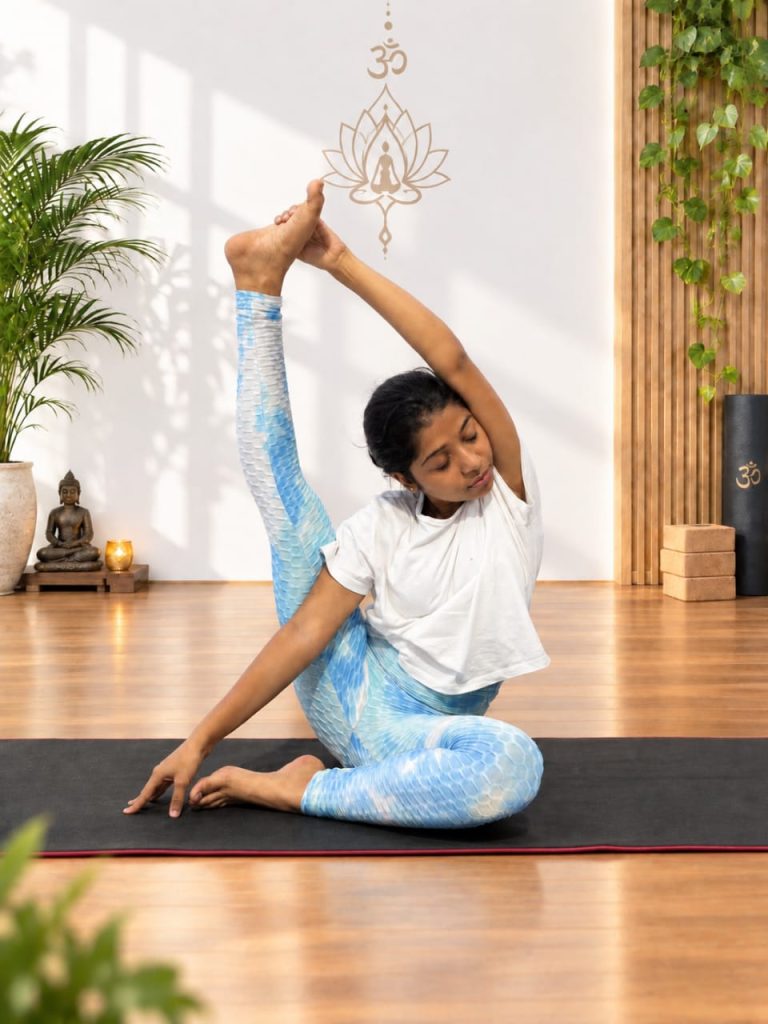
From ancient stone reliefs at the Mahabalipuram temples to modern devotional paintings, Kurma remains a vibrant subject for artists. The avatar’s image is also used in contemporary environmental campaigns in India, symbolizing the need to protect our “planetary shell.” In yoga, the pose “Kurmasana” (tortoise pose) draws directly from this myth, encouraging practitioners to find balance and inner calm.
Conclusion
Kurma’s brief yet powerful appearance in Hindu mythology reminds us that the greatest cosmic feats often rest on modest, steady foundations. Whether viewed as a literal turtle, a metaphysical principle, or an ecological emblem, the Kurma avatar continues to inspire seekers of stability in a constantly shifting world.
Frequently Asked Questions
What was the primary purpose of Vishnu’s Kurma incarnation?
To provide a stable base for the mountain Mandara during the churning of the ocean.
Which celestial object emerged from the Samudra Manthan after the Kurma avatar held the mountain?
The moon (Chandra) and many other treasures, including the divine physician Dhanvantari with the amrita.
How is the Kurma avatar symbolically linked to environmental stewardship?
The turtle carries its world on its back, reminding believers to protect the Earth’s ‘shell’ and ecosystems.
Test Your Knowledge and Win Coupons to Get Discounts
Have a correction or improvement to suggest?
Log in or create a free accountRelated Videos

packing prasad to everyone who has contributed on srisailam havan.

Jogulamba Temple The Next Havan location 6th of 64

5th Havan of the 64 Shakti Peeth Havan — Srisailam

Fifth havan out of 64 in srisailam.

At India's largest tiger reserve getting ready for our fifth havan. all are welcome

Pvt group initiation into yoni mudra and tantra @mysore.

Kali yantra bags are available

Tantrik workshop with satyama





Leave a Reply