Introduction to Chandrabhaga Shakti Peetha
Chandrabhaga Shakti Peetha, located in Veraval, Gujarat, is one of the 64 revered Shakti Peethas in the Indian subcontinent. This sacred site is believed to be the place where Sati’s stomach fell, and the Goddess is worshipped as Chandrabhaga, while the Bhairava is revered as Vakratunda. The temple’s significance is deeply rooted in Hindu mythology and is an important pilgrimage site for devotees.
Hindu Mythology and the Significance of Shakti Peethas
According to Hindu mythology, the Shakti Peethas were created after the self-immolation of Sati, the consort of Lord Shiva. When Sati’s father, Daksha, organized a grand yajna, he intentionally excluded Lord Shiva from the guest list. Sati, feeling humiliated and disrespected, jumped into the fire, sacrificing herself. Lord Shiva, filled with grief and anger, picked up Sati’s corpse and performed the Tandava, the cosmic dance of destruction. Other gods, fearing the destruction of the universe, intervened and sent Lord Vishnu to stop Lord Shiva. Vishnu, using his Sudarshana Chakra, dismembered Sati’s corpse, and the parts fell to the earth, creating the 64 Shakti Peethas.
Chandrabhaga Shakti Peetha: A Sacred Pilgrimage Site
Chandrabhaga Shakti Peetha, being one of these sacred sites, is a significant pilgrimage destination for devotees of Shaktism. The temple, dedicated to Goddess Chandrabhaga, is situated near the Somnath Temple, another prominent Hindu temple in Veraval, Gujarat. The proximity of these two temples emphasizes the spiritual importance of the region, making it a popular destination for those seeking spiritual enlightenment and solace.
Celebrations and Rituals at Chandrabhaga Shakti Peetha
The temple celebrates various festivals, including Navratri, which is detailed in the Devi Bhagavata Purana as a time for worshipping the divine feminine.
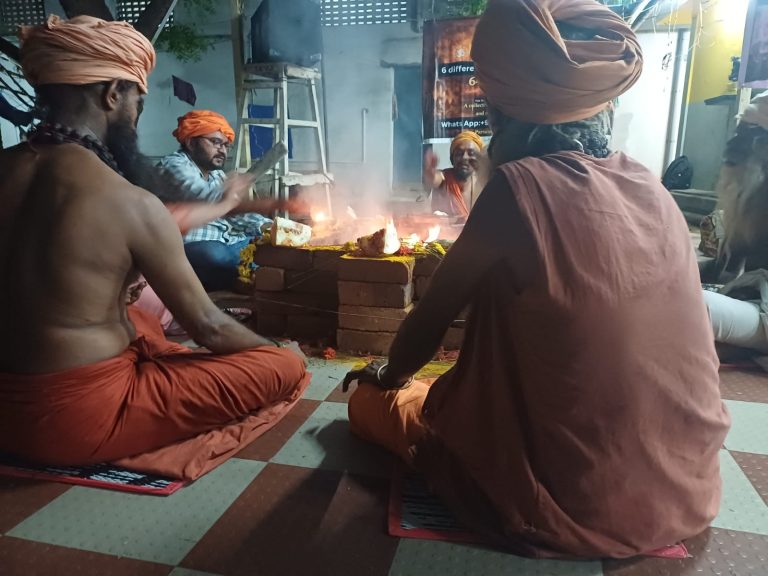
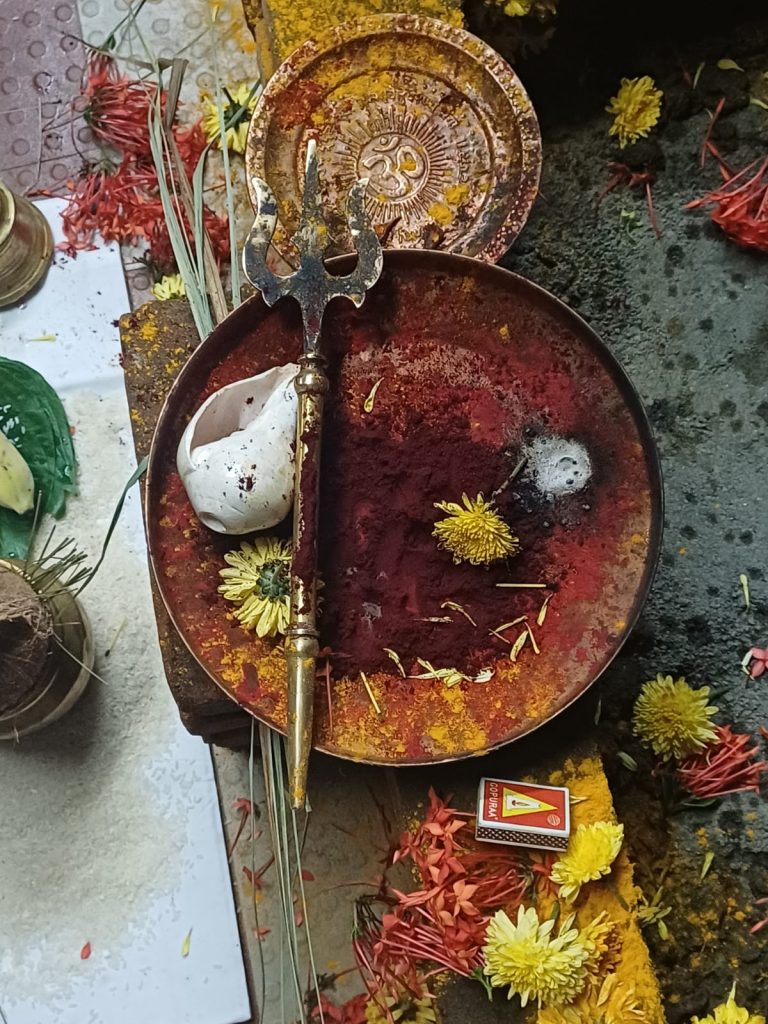
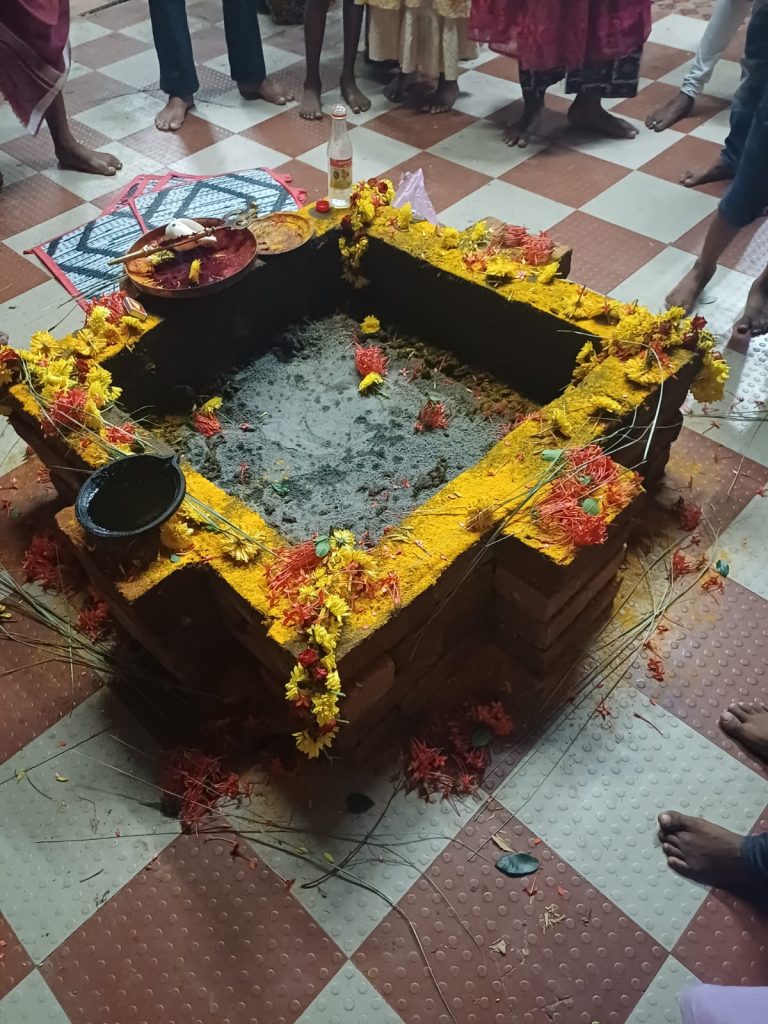
In addition to the festivals, the temple also offers various rituals and services, such as puja, abhishekam, and homam, which are performed by the temple priests. The devotees can also participate in the daily aarti and darshan, which provides an opportunity to connect with the divine and seek blessings.
Conclusion
The temple’s architecture reflects traditional Hindu temple design, influenced by the regional styles of Gujarat, as seen in other temples in the area.
- The temple is open from 6:00 AM to 12:00 PM and from 4:00 PM to 9:00 PM.
- Devotees can perform puja and abhishekam during the specified timings.
- The temple offers accommodation facilities for devotees, including dharmashalas and guest houses.
- The nearest airport is the Diu Airport, which is approximately 90 km from Veraval.
- The temple is well-connected by road and can be reached by bus or taxi from major cities in Gujarat.
Frequently Asked Questions
What is the significance of Chandrabhaga Shakti Peetha?
Chandrabhaga Shakti Peetha is one of the 64 revered Shakti Peethas in the Indian subcontinent, where Sati’s stomach is believed to have fallen, and the Goddess is worshipped as Chandrabhaga.
Where is Chandrabhaga Shakti Peetha located?
Chandrabhaga Shakti Peetha is located in Veraval, Gujarat, near the Somnath Temple.
What are the temple timings?
The temple is open from 6:00 AM to 12:00 PM and from 4:00 PM to 9:00 PM.
What are the accommodation facilities available for devotees?
The temple offers accommodation facilities for devotees, including dharmashalas and guest houses.
How can I reach the temple?
The temple is well-connected by road and can be reached by bus or taxi from major cities in Gujarat. The nearest airport is the Diu Airport, which is approximately 90 km from Veraval.
Navratri Celebrations
During Navratri, the temple is adorned with flowers and lights, and devotees participate in cultural events, as prescribed in the Devi Bhagavata Purana, which emphasizes the importance of this festival in honoring the Goddess.
Historical Context of Chandrabhaga Shakti Peetha
The historical significance of Chandrabhaga Shakti Peetha is rooted in the ancient texts that describe the establishment of Shakti Peethas. According to the Tantra Shastra, these sites were created from the body of Sati, representing the sacred feminine energy.
Test Your Knowledge and Win Coupons to Get Discounts
Have a correction or improvement to suggest?
Log in or create a free accountRelated Videos

Sacred Fire Journey: 64 Havans at 64 Shakti Peeths Explained

64 Shakti Peeth Havan – fourth Havan At Chamundi Hills mysore

64 Shakti Peeth Havan – Third Havan at Kanyakumari

64 Shakti Peeth Havan – Second Havan in Kanchipuram

5th Havan of the 64 Shakti Peeth Havan — Srisailam

Khajuraho Temple, Kamasutra, Sexual Postures & Astrological Matchmaking for a Great & Intimate Life

The idea of worshipping in the temple.

Importance of yogini temple. #yogini #tantra #orissa







Leave a Reply