Who Is Dattatreya?
Dattatreya stands out in the Hindu pantheon as a unique composite deity embodying the divine trinity of Brahma, Vishnu, and Shiva. Often depicted with three heads and six arms, he represents creation, preservation, and dissolution in a single form, guiding devotees toward the ultimate reality.
Mythic Origins and Lineage
According to the Shri Dattatreya Upanishad, Dattatreya was born to the sage Atri and his wife Anasuya, who embodied perfect virtue. Their devotion pleased the three principal gods, who merged their essences into the newborn, granting him the triple nature that defines his iconography.
Key Legends
One popular story tells how Dattatreya roamed the forests with four canine companions—Sanjaya, Sankara, Sananda, and Sanatkumara—symbolizing the four Vedas. Their presence underscores his role as a bridge between the cosmic and the earthly realms.
Iconography and Symbolic Elements
Typical representations show:
- Three heads: Brahma (creation), Vishnu (preservation), Shiva (destruction).
- Six arms: Holding a trishula (trident), a rosary, a water pot, a drum, a staff, and a begging bowl, each tool points to different spiritual practices.
- Four dogs: Guardians of knowledge, reminding seekers of the ever‑present Vedic wisdom.
The combination of ascetic attire and regal ornaments illustrates his role as both a wandering sage and a divine sovereign.
Core Teachings and Philosophy
Dattatreya’s teachings emphasize the path of Jnana (knowledge) blended with Bhakti (devotion) and Karma (action). He advocates the concept of Avadhuta—the renunciate who remains unattached while living in the world.
Key verses from the Avadhuta Gita highlight:
- The impermanence of material existence.
- The importance of seeing the divine in every being.
- The practice of meditation as a means to realize the inner self.
These principles have inspired numerous yogic lineages, especially the Datta Sampradaya, which integrates mantra, meditation, and selfless service.
Worship Practices and Festivals
Devotees honor Dattatreya through daily puja, chanting the mantra “Om Dattatreya Namaha,” and offering simple items such as fruits, milk, and incense. Pilgrimage sites like Shri Manikarnika in Gujarat and Shri Karanja in Maharashtra attract thousands during the annual Datta Jayanti celebration.
During the festival, rituals include:
- Recitation of the Datta Stotra and Avadhuta Gita.
- Processions carrying a sacred idol of Dattatreya.
- Community feasts emphasizing vegetarian cuisine.
The festivities reinforce communal harmony and the shared aspiration for spiritual upliftment.
Dattatreya in Yoga and Modern Spirituality
Modern yoga teachers often cite Dattatreya as an exemplar of the “yogi‑siddha” who masters both worldly engagement and transcendental awareness. His archetype encourages practitioners to integrate discipline (asana), breath work (pranayama), and devotion (bhakti) into a holistic practice.
In contemporary literature, authors like Swami Muktananda and Paramahansa Yogananda reference Dattatreya to illustrate the unity of divine functions, making his teachings relevant to seekers beyond traditional Hindu contexts.
Why Dattatreya Remains Relevant Today
In an age of rapid change, Dattatreya’s message of balance—honoring creation, preservation, and dissolution—offers a timeless framework for personal growth. By embodying the synthesis of knowledge, action, and devotion, he serves as a beacon for anyone yearning to navigate life’s complexities with inner stability.
Frequently Asked Questions
What are the three heads of Dattatreya symbolizing?
They represent the Hindu trinity: Brahma, Vishnu, and Shiva.
Which animal companions are commonly shown with Dattatreya?
Four dogs, representing the four Vedas.
What is the primary mantra used in Dattatreya worship?
Om Dattatreya Namaha
During which festival is Dattatreya especially celebrated?
Datta Jayanti
Which scripture contains the Avadhuta Gita?
Shri Dattatreya Upanishad
Test Your Knowledge and Win Coupons to Get Discounts
Have a correction or improvement to suggest?
Log in or create a free accountRelated Videos

packing prasad to everyone who has contributed on srisailam havan.

Jogulamba Temple The Next Havan location 6th of 64

5th Havan of the 64 Shakti Peeth Havan — Srisailam

Fifth havan out of 64 in srisailam.

At India's largest tiger reserve getting ready for our fifth havan. all are welcome

Pvt group initiation into yoni mudra and tantra @mysore.

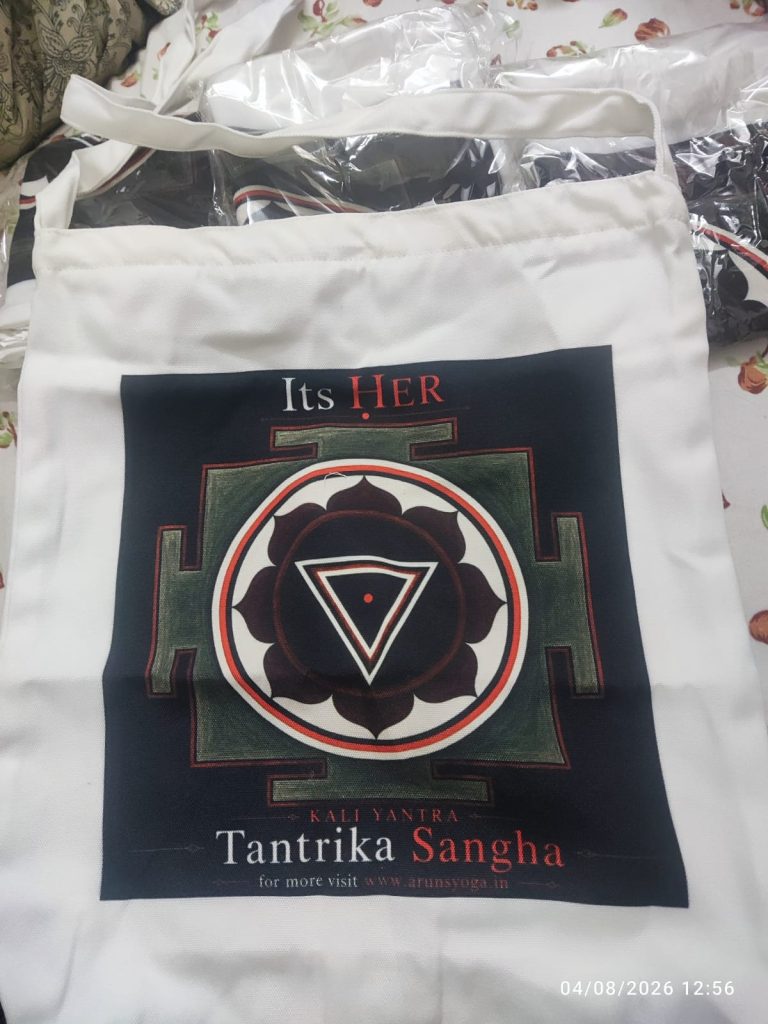
Kali yantra bags are available

Tantrik workshop with satyama







Leave a Reply