 ARUN'S YOGA
 ARUNSYOGA
Introduction to Māyā Tantra
Māyā Tantra is an essential component of the Agama tradition, deeply woven into the fabric of Tantric practices. It explores the intertwining of reality and illusion, emphasizing the power of the feminine divine. This branch of Tantra reveals profound spiritual and philosophical insights, guiding practitioners towards self-realization and enlightenment.
The Concept of Māyā
The term ‘Māyā’ is derived from the Sanskrit root ‘mā’, which means ‘to measure’ or ‘to create’. In the context of Tantra, it signifies the cosmic illusion that veils the true nature of reality. Māyā is often personified as a goddess, representing the divine feminine energy that plays a crucial role in the creation and sustenance of the universe.
Understanding Māyā in Tantric Philosophy
In Tantric philosophy, Māyā is not viewed negatively; instead, it is seen as an integral part of the spiritual journey. It teaches that the material world, while illusory, offers a path to higher consciousness. By understanding and transcending Māyā, practitioners can awaken to their true selves and the oneness of all existence.
Practices in Māyā Tantra
Māyā Tantra encompasses various practices that invite deep engagement and understanding of the self and the universe. Some key practices include:
- Meditation: Deep meditative techniques are employed to cultivate inner awareness and connect with the energies of Māyā.
- Rituals: Specific rituals are performed to honor the divine feminine, invoking her blessings to dispel ignorance and illusion.
- Mantra Recitation: The use of mantras is prevalent, channeling the vibrational energy of sound to align oneself with higher states of consciousness.
- Symbolism: Symbols and yantras associated with Māyā play a significant role in visualization practices, representing the union of energy and consciousness.
Significance of Māyā Tantra
Māyā Tantra holds a significant place in the Tantric tradition, providing a framework for understanding the complexities of existence. Its teachings encourage individuals to:
- Recognize the transient nature of material reality.
- Embrace the divine feminine energy within, facilitating personal growth.
- Engage in practices that lead to liberation from ignorance and suffering.
This path of self-discovery not only aids in personal transformation but also fosters a deeper connection with the universe and others.
Conclusion
Māyā Tantra is more than just a spiritual practice; it is a profound exploration of the dualities of the universe. By engaging with its teachings and practices, seekers can unveil the layers of illusion that obscure their true nature. Embracing Māyā Tantra provides a pathway towards enlightenment, leading to a harmonious existence with the self and the cosmos.
Frequently Asked Questions
What is Māyā in the context of Tantra?
Māyā in Tantra refers to the cosmic illusion that veils the true nature of reality.
How does Māyā Tantra help in personal transformation?
It encourages recognition of the transient nature of reality and facilitates inner awareness through various practices.
Is Māyā Tantra focused solely on the feminine aspect?
While it emphasizes the divine feminine, it also encompasses the balance of energies, guiding practitioners toward unity.
What practices are central to Māyā Tantra?
Central practices include meditation, rituals, mantra recitation, and the use of symbolic yantras.
Can anyone practice Māyā Tantra?
Yes, anyone interested in spiritual growth and self-realization can engage with the teachings of Māyā Tantra.
Related reading
- Kapiñjala Saṁhitā: Tracing Its Roots and Living Its Wisdom
- Pādma Saṁhitā: How Its History Shapes Practice Today
- Sāttvata Saṁhitā: History, Core Teachings, and Why It Matters Today
- Parāśara Saṁhitā: Lessons from Its Past for Today’s Devotees
- Āgama Tradition of Vaiṣṇavism: Understanding Pāñcarātra and Vaikhānasa
- Yogaja Āgama: What Sets the Second Śaiva Āgama Apart
- Cintya Āgama: Core Teachings of the Third Śaiva Āgama
- Kāraṇa Āgama: Foundations of the Fourth Śaiva Text
- Ajita Āgama: Key Themes of the Fifth Śaiva Āgama
- Dīpta Āgama: What Sets the Sixth Śaiva Text Apart
- Sūkṣma Āgama: What Makes the Seventh Śaiva Text Unique
- Sahasra Āgama: What Sets the Eighth Śaiva Text Apart
- Understanding Aṃśumān Āgama: The Ninth Śaiva Text Explained
- Suprabheda Āgama: Key Concepts of the Tenth Śaiva Text
- Vijaya Āgama: Core Teachings and Practice for the Eleventh Śaiva Text
- Niḥśvāsa Āgama: Core Teachings of the Twelfth Śaiva Text
- Svāyambhuva Āgama: Key Concepts of the Thirteenth Śaiva Text
- Vīra Āgama: Key Teachings of the Fifteenth Śaiva Text
- Raurava Āgama: What the Sixteenth Śaiva Text Reveals About Practice
- Makuṭa Āgama: How the Seventeenth Śaiva Text Shapes Ritual Practice
- Vimala Āgama: What the Eighteenth Śaiva Text Teaches About Ritual and Liberation
- Candrajñāna Āgama: A Practitioner’s Overview of the Nineteenth Śaiva Text
- Mukhabimba Āgama: Core Teachings of the Twentieth Śaiva Text
- Prodgīta Āgama: Understanding the Twenty‑First Śaiva Scripture
- Lalita Āgama: Key Teachings of the Twenty‑Second Śaiva Scripture
- Siddha Āgama: Core Teachings of the Twenty‑Third Śaiva Scripture
- Santāna Āgama: Understanding the Twenty‑Fourth Śaiva Scripture
- Sarvokta Āgama: What Sets the Twenty‑Fifth Śaiva Text Apart
- Pārameśvara Āgama: Core Teachings for the Modern Shaiva Practitioner
- Kiraṇa Āgama: Key Themes and Practices for Modern Shaiva Devotees
- Vātula Āgama: An Introduction to the Twenty‑Eighth Śaiva Āgama
- Pauṣkara Saṁhitā: Its Origins, Central Doctrines, and Modern Relevance
- Understanding Īśvara Saṁhitā: Origins, Doctrine, and Contemporary Relevance
- Pārameśvara Saṁhitā: Its History, Core Doctrine, and Why It Matters Today
- Śrīpraśna Saṁhitā: History, Teachings, and Why It Matters Today
- Nāradīya Saṁhitā: Why Its History Shapes Today’s Practice
- Parama Saāmhitā: How Its History Shapes Modern Devotion
- Paramapuruṣa Saṁhitā: Its History, Core Teachings, and Modern Relevance
- Agastya Saṛmihitā: History, Core Teachings, and Modern Significance
- Aniruddha Saṁhitā: How Its History Shapes Modern Practice
- Kāśyapa Saṁhitā: How Its History Shapes Today's Practice
- Jñānāmṛtasāra Saṁhitā: History, Core Teachings, and Modern Relevance
- Puruṣottama Saṁhitā: History, Teachings, and Why It Matters Today
- Bṛhadbrahma Saṁhitā: History, Core Teachings, and Their Modern Relevance
- Bhāradvāja Saṁhitā: Its History, Core Teachings, and Why It Matters Today
- Mārkaṇḍeya Samhitha: Core Teachings and Their Relevance Today
- Saṅjṅāna Saṅhitā: Why Its History Matters for Modern Practitioners
- Vīra Saṁhitā: Why Its History and Teachings Matter Today
- Vijaya Saāmhitā: Historical Foundations and Their Impact Today
- Vijita Saṅhitā: Core Teachings and Their Role in Contemporary Ritual
- Ānanda Saṁhitā: History, Core Teachings, and Their Relevance Today
- Lakṣmī Tantra: History, Teachings, and Why It Matters Today
- Viśvāmitra Saṁhitā: History, Core Teachings, and Why It Matters Today
- Viṣṇu Saṁhitā: How Its History Shapes Modern Devotion
- Viṣṇutilaka Saṁhitā: History, Teachings, and Why It Matters Today
- Viṣvaksena Saṁhitā: History, Core Teachings, and Modern Relevance
- Sāṇḍilya Saṁhitā: Why Its History Matters for Modern Practitioners
- Śeṣa Saṁhitā: How Its History Shapes Today’s Practice
- Sanatkumāra Saṅhitā: How Its History Shapes Today’s Practice
- Hayaśīrṣa Saṁhitā: History, Core Teachings, and Their Relevance Today
- Vihagendra Saṁhitā: History, Core Teachings, and Their Modern Relevance
- Vṛddhapādma Saṁhitā: How Its History Shapes Contemporary Practice
- Khilatantra: Tracing Its Roots, Core Teachings, and Modern Relevance
- Purātantra: How Its Ancient Roots Shape Modern Practice
- Vāsādhikāra: Lessons from Its Past for Today's Practitioners
- Citrādhikāra: History, Teachings, and Their Relevance Today
- Understanding Mānādhikāra: Past Roots and Present Relevance
- Yajñādhikāra: Core Teachings That Inform Modern Practice
- Varṇādhikāra: How Its Ancient Authority Shapes Modern Practice
- Why Prakīrṇādhikāra Matters for Contemporary Practitioners
- Pratigṛhyādhikāra: Why Its History Shapes Modern Practice
- Niruktādhikāra: How Its History Shapes Today’s Practice
- Khilādhikāra: Why Its Ancient Wisdom Matters Now
- Jaya Saṁhitā: History, Core Teachings, and Their Relevance Today
- Jñāna Saṁhitā: History, Teachings, and Its Relevance for Modern Practitioners
- Satyakāṭā: How Its History Shapes Contemporary Practice
- Understanding Tarkakāṇḍa: Its History, Core Teachings, and Why It Matters Today
- Jñānakāṇḍa: Its Historical Roots and Why It Matters Today
- Pūrvat antra: Its History, Core Teachings, and Modern Significance
- Atreyatantra: How Its History Shapes Modern Practice
- Viṣṇutantra: From Ancient Origins to Contemporary Relevance
- Uttaratantra: Tracing Its Origins and Living Wisdom
- Three Jewels of Pāñcarātra: Understanding Sāttvata, Pauṣkara, and Jayākhya Saṁhitās
- Four Vyūhas of Pāñcarātra: Roles, Symbols, and Practice
- Vaikhānasa vs. Pāñcarātra: How Temple Worship Practices Diverge
- Vaiṣṇava Āgamas and Temple Construction: Steps from Groundbreaking to Consecration
- Daily Viṣṇu Worship in the Vaiṣṇava Āgamic Tradition: Steps and Significance
- Manuscript Journeys: Tracing the History of the Vaiṣṇava Āgamas
- Nīla Tantra
- Pheṭkāriṇī Tantra
- Devyāgama
- Uttara Tantra
- Siddhasāra Tantra
- Siddhisārasvata Tantra
- Gaṇeśavimarśinī Tantra
- Śivāgama
- Muṇḍamālā Tantra
- Haṃsamaheśvara Tantra
- Niruttara Tantra
- Kulaprakāśaka Tantra
- Devīkalpa Tantra
- Śrīkrama Tantra
- Gāndharva Tantra
- Kriyāsāra Tantra
- Svatantra Tantra
- Saṃmohana Tantra
- Tantrarāja Tantra
- Lalitā Tantra
- Rādhā Tantra
- Mālinī Tantra
- Bṛhatśrīkrama Tantra
- Gavākṣa Tantra
- Sukumudinī Tantra
- Samayācāra Tantra
- Yoginīhṛdaya Tantra
- Sanatkumāra Tantra
- Yoni Tantra
- Tantrāntara Tantra
- Navaratneśvara Tantra
- Bhāvacūḍāmaṇi Tantra
- Devaprakāśa Tantra
- Kāmākhyā Tantra
- Kāmadhenu Tantra
- Bhūtadāmara Tantra
- Yāmala Tantra
- Viśvasāra Tantra
- Mahākālasaṃhitā
- Kulāmṛta Tantra
- Kubjikā Tantra
- Yantracintāmaṇi Tantra
- Kālīvilāsa Tantra
Test Your Knowledge and Win Coupons to Get Discounts
Have a correction or improvement to suggest?
Log in or create a free accountRelated Videos
 Maya! The world is a Simulation which we live.
 Creating a #space for #tantric practices are #essential. #shorts
 Is Tantric practices involves male and female??
 Prakruthi is the ultimate nature of the core feminine.
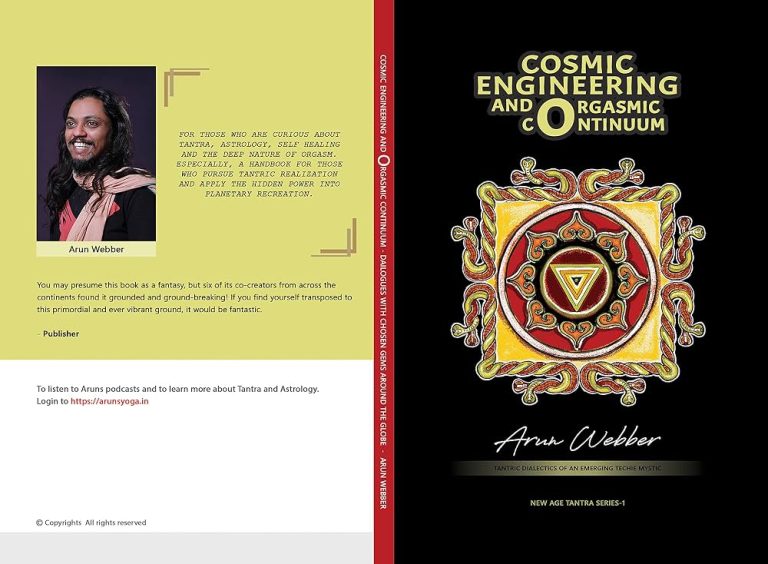
 Decoding Tantra, Astrology,Self-Healing: Insights from 'Cosmic Engineering and Orgasmic Continuum-5
 Sutra are the term denotes ultimate secretes related to nature of visible universe.
 Decoding Tantra, Astrology,Self-Healing: Insights from 'Cosmic Engineering and Orgasmic Continuum-2
 Is Taantric practices are banned in India?









Leave a Reply