Origins and Early Life
Sita is said to have emerged from the earth when King Janaka of Mithila performed a sacrificial ritual, emphasizing her connection to the land of Mithila, which is detailed in the Ramayana (Valmiki Ramayana, Ayodhya Kanda).
Raised in the kingdom of Mithila, Sita was taught the virtues of humility, compassion, and unwavering loyalty, as depicted in the Ramayana (Valmiki Ramayana, Ayodhya Kanda), which lays the groundwork for her character development throughout the epic.
Sita’s Role in the Ramayana
The central episode of Sita’s story begins with her marriage to Prince Rama, the ideal king of Ayodhya. Their union is portrayed as a perfect partnership, where love and duty intertwine. However, destiny soon separates them when Rama is exiled for fourteen years, and Sita accompanies him into the forest.
During the exile, Sita’s resilience is tested repeatedly. The most famous trial is the agnipariksha, or fire ordeal, which she undergoes to prove her purity after being rescued from the demon king Ravana. Though controversial, the episode underscores her steadfast commitment to dharma and her willingness to accept the consequences of divine law.
Symbolic Meanings
Beyond the narrative, Sita embodies several layers of symbolism:
- Purity and devotion: She is often cited as the archetype of a devoted wife who places her husband’s welfare above her own.
- Strength through suffering: Her endurance during captivity and exile illustrates that true strength can emerge from vulnerability.
- Connection to the earth: The myth of her earth-born origin links her to fertility, motherhood, and the nurturing aspect of nature.
Scholars also interpret Sita as a representation of the soul (ātman) seeking reunion with the supreme consciousness, mirroring the spiritual journey of many devotees.
Worship Practices
Devotees honor Sita in temples across the Indian subcontinent, often alongside Rama. Rituals include reciting verses from the Ramcharitmanas, offering seasonal flowers, and performing the Rama Sita Vivah ceremony during festivals such as Rama Navami.
In some traditions, Sita is worshipped independently as a manifestation of the Divine Mother, especially in regions where the legend of her earth‑born emergence holds special local significance.
Sita in Contemporary Culture
Sita’s choices, such as accompanying Rama into exile and confronting Ravana, are significant moments in the Ramayana that illustrate her character’s strength and devotion, as detailed in Valmiki’s epic.
Academic courses on gender studies frequently include Sita’s narrative to explore themes of duty, autonomy, and societal expectations. Her story continues to inspire art, literature, and social discourse, proving that ancient myth can still speak powerfully to contemporary life.
Frequently Asked Questions
What is the significance of Sita’s birth from the earth?
It symbolizes her deep connection to the land and her role as a nurturing mother figure in Hindu tradition.
Why did Sita choose to accompany Rama during his exile?
She viewed her duty as a wife as inseparable from Rama’s destiny, embodying devotion and partnership.
What lesson does the agnipariksha convey to devotees?
It illustrates the complex balance between personal purity, societal expectations, and divine law.
How is Sita worshipped differently from other goddesses?
She is often honored alongside Rama as a consort, yet also revered independently as an embodiment of the Earth Mother.
Sita's Agnipariksha
The agnipariksha, or fire ordeal, that Sita undergoes is a pivotal moment in the Ramayana. This event is often interpreted as a test of her purity and devotion, reflecting the societal expectations of women during that era (Valmiki Ramayana, Uttarakanda).
Regional Variations in Sita Worship
Sita is worshipped in various forms across India, with different rituals and festivals highlighting her significance. In some regions, she is celebrated independently as a manifestation of the Earth Mother, particularly in Mithila, where her earth-born origin is a focal point of local traditions.
Sita in Modern Literature and Media
Contemporary interpretations of Sita in literature and film often present her as a symbol of women’s empowerment. For example, in various retellings, her decisions reflect a strong agency that challenges traditional gender roles, as discussed in modern feminist critiques of the Ramayana.
Test Your Knowledge and Win Coupons to Get Discounts
Have a correction or improvement to suggest?
Log in or create a free accountRelated Videos

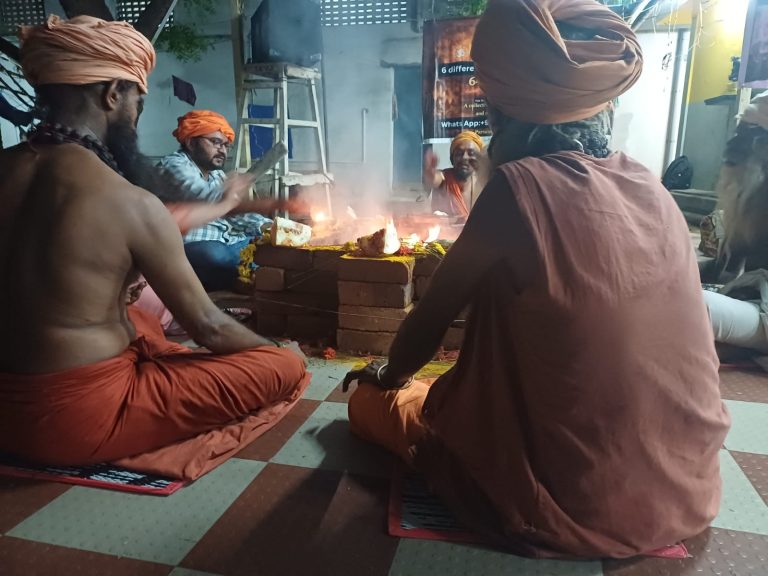
navaratri havan 9 th day ending with poornavathi devi sidhidatri.

Navaratri havan day 8 gauri.

Navaratri havan day 7 devi kalaratri.

6th day navaratri havan devi karthyayini.

Navaratri havan day 5 skandamata.

Navaratri havan day 4 devi kushmanda.

Day 3 havan devi chamdrakanta

Navaratri second day havan in mysore devi brahmacharini









Leave a Reply