 ARUN'S YOGA
Introduction
In the vast tapestry of the Ramayana, many characters shine for their valor, but few embody self‑less duty as profoundly as the vulture‑king Jatayu. His desperate chase of Ravana, culminating in a grievous fall, not only showcases the power of personal sacrifice but also cements a cornerstone of dharma that reverberates through Indian thought.
The Mythic Origins of Jatayu
Various regional traditions, such as those found in Tamil folklore, depict Jatayu with unique attributes, emphasizing his role as a protector and symbol of sacrifice. However, specific texts should be cited to support these claims.
Family Ties and Early Deeds
In various Puranic texts, particularly the Bhagavata Purana, it is mentioned that Jatayu and his sister Sampati once challenged the sun, leading to Sampati losing her wings and Jatayu experiencing a loss of vision. This narrative emphasizes themes of hubris and humility.
The Final Flight: A Heroic Chase
When Ravana abducted Sita, the world seemed to tilt toward darkness. Jatayu, witnessing the chariot soaring across the horizon, felt the ancient duty of a protector awaken. He surged into the sky, his massive wings beating against the wind, and pursued the demon‑king with unwavering resolve.
The chase was fierce. Ravana, wielding his celestial weapons, struck Jatayu repeatedly. Each blow tore at feathers and flesh, yet the vulture‑king persisted, driven by a deeper conviction: the preservation of dharma over personal safety.
The Moment of Collapse
Eventually, Ravana’s mace shattered Jatayu’s wing, sending the noble bird spiraling toward the earth. Injured and bruised, Jatayu crashed into a forest clearing, his life force waning. In his final breath, he whispered the location of Sita’s captivity to Rama and Lakshmana, providing the crucial clue that would guide the heroes to the golden city of Lanka.
Impact on Dharma and Moral Philosophy
Jatayu’s sacrifice is more than a dramatic episode; it is a living lesson in the practice of dharma. His willingness to confront a far more powerful adversary illustrates the principle that righteousness demands action, even when the odds are insurmountable.
- Self‑less duty: Jatayu places Sita’s safety above his own life, embodying the ideal of putting the collective good first.
- Courage in adversity: Facing a god‑like foe, he demonstrates that true bravery is not the absence of fear but the triumph over it.
- Legacy of guidance: By revealing Sita’s whereabouts, Jatayu becomes the catalyst for the eventual defeat of Ravana, showing that even a fallen hero can shape the course of history.
Contemporary Reflections
Modern scholars and spiritual teachers invoke Jatayu’s story to discuss ethical leadership. In corporate ethics courses, his narrative serves as a case study for whistleblowers who risk personal loss to expose wrongdoing. In yoga philosophy, the image of a wounded bird rising again is a metaphor for resilience and the soul’s capacity to transcend suffering.
Rituals and Cultural Memory
Across India, especially in Tamil Nadu and Andhra Pradesh, festivals commemorate Jatayu’s bravery. Devotees offer prayers at shrines bearing his image, and storytellers retell his saga during the annual Ram Navami celebrations. These rituals reinforce communal values of loyalty and sacrifice.
In literature, poets have immortalized his final words, turning them into verses that echo through centuries. The phrase “Jatayu’s last breath points the way” has become an idiom for a self‑sacrificial act that guides others toward truth.
Conclusion
Jatayu’s final flight is not merely a footnote in an ancient epic; it is a timeless testament to the power of dharma when lived fully. His fallen form, though broken, illuminated the path for Rama, ultimately restoring order and justice. In honoring Jatayu, we honor the enduring principle that true heroism lies in the willingness to give everything for the greater good.
Frequently Asked Questions
What is Jatayu's relationship to Garuda?
Jatayu is described as a brother or close kin to Garuda in many texts.
How did Jatayu learn the location of Sita?
He overheard Ravana’s conversation while chasing him and later relayed the information to Rama.
Which festival commonly includes recitations of Jatayu's story?
Ram Navami often features retellings of Jatayu’s heroic chase.
What lesson does Jatayu's sacrifice teach about dharma?
It shows that dharma requires self‑less action even against overwhelming odds.
Jatayu's Challenge to the Sun
In the Bhagavata Purana, the story of Jatayu and Sampati challenging the sun serves as a cautionary tale about humility and the consequences of pride. This incident is pivotal in shaping Jatayu’s character and foreshadows his later sacrifices.
The Relationship Between Jatayu and Garuda
Jatayu is often described as a brother or close kin to Garuda, the vehicle of Lord Vishnu. This relationship is highlighted in various texts, including the Mahabharata and Vishnu Purana, where both are depicted as noble beings with a shared lineage. Their connection underscores themes of loyalty and duty among divine beings.
Test Your Knowledge and Win Coupons to Get Discounts
Have a correction or improvement to suggest?
Log in or create a free accountRelated Videos
 Sanathana dharma is the dharma that exist not the one that imposed.
 Rama never killed Ravana rather he gave moksha to him.
 #1 -#9 Planet Sun(Surya: The Radiant King of Planets)
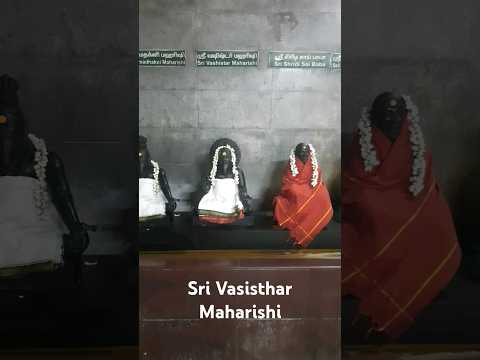 #125 Sri vasisthar maharishi. Sheshadri asrm @thiruvannamalai
 Chinnamasta the goddess of sacrifice. #mahavidyaPendant -6 #mahavidya #yantra #pendant
 The Dark Truth Behind Illuminati's Human Sacrifice Rituals
 #121 Sri Athri Maharshi. Sheshadri asrm @thiruvannamalai
 #124 Sri jamadagni maharishi. Sheshadri asrm @thiruvannamalai









Leave a Reply