Who Is Hakini?
Hakini is a lesser‑known divine figure in the tantric and Shakta traditions, often described as a mind‑awakening goddess who bridges the subtle realms of thought and spirit. While some texts link her to the broader family of Dakini beings, Hakini possesses a distinct personality focused on mental clarity, speech, and the power of intention.
Mythological Roots and Symbolism
While some traditions suggest a connection to Vishnu, Hakini’s origins are more commonly found in tantric texts where she is invoked as a guiding force in mental clarity and spiritual practice, rather than a direct offspring of Vishnu. Her role is primarily as a manifestation of Shakti, the divine feminine energy.
- A book signifying knowledge.
- A flute symbolizing the harmonious flow of thoughts.
- A mirror reflecting self‑awareness.
- A lotus denoting pure consciousness.
These attributes illustrate her role as a guide who helps practitioners transform scattered mental energy into focused insight.
Rituals and Worship Practices
Devotees often use mantras to honor Hakini, with various phrases being chanted to invoke her presence during meditation and study.
Daily Practice
A simple daily routine might include:
- Lighting a sandalwood incense stick while reciting the Hakini mantra.
- Holding the crystal bowl and focusing on its clear surface to cultivate mental clarity.
- Reciting a short hymn that praises the four symbols she holds.
This practice is believed to sharpen memory, enhance articulation, and align the practitioner’s thoughts with higher purpose.
Special Festivals
On the full moon of the month of Margashirsha, a community gathering known as Hakini Puja takes place. Participants offer fresh flowers, recite stories of her mythic deeds, and engage in group meditation aimed at collective mental upliftment.
Hakini in Tantric Meditation
In advanced tantric sadhana, Hakini is invoked during the Japa phase, where practitioners repeat a seed mantra while visualizing the goddess seated on a throne of white light. This visualization is said to open the Ajna chakra, the “third‑eye” center responsible for intuition and perception.
By aligning the breath with her symbolic attributes—especially the mirror—students learn to observe thoughts without attachment, fostering a state of pure awareness.
Modern Relevance
Beyond traditional settings, Hakini’s teachings resonate with contemporary seekers who value mental wellness. Yoga studios, mindfulness workshops, and even corporate wellness programs occasionally reference her as a metaphor for “focused intention.” Her emphasis on clear speech also makes her a patron for writers, teachers, and public speakers.
In summary, Hakini offers a unique blend of mythic depth and practical application, inviting anyone interested in refining the mind‑spirit connection to explore her rich symbolism and rituals.
Frequently Asked Questions
What are the primary symbols held by Hakini?
A book, a flute, a mirror, and a lotus.
Which chakra does Hakini help activate during meditation?
The Ajna (third‑eye) chakra.
When is the main Hakini festival celebrated?
On the full moon of Margashirsha.
What is the most common mantra used to invoke Hakinin?
Om Hakini Namaha.
Hakini's Role in Tantric Sadhana
In the Kularnava Tantra, Hakini is invoked during meditation practices where practitioners visualize her as a source of wisdom and clarity. This practice emphasizes the importance of intention and focus in spiritual growth.
Hakini in Tantric Texts
Hakini is mentioned in various tantric texts, notably the Kularnava Tantra and the Yogini Tantra, where she is associated with the cultivation of mental clarity and spiritual insight. These texts highlight her role as a guide for practitioners seeking to deepen their meditation and understanding of the self.
Test Your Knowledge and Win Coupons to Get Discounts
Have a correction or improvement to suggest?
Log in or create a free accountRelated Videos

Meditation To Solve Mental And Emotional Blocks

AI Avatar Unveils the Power of Tantrika Herbal Tea: 6 Vedic Herbs for Body, Mind & Spirit

can you read minds the art of mental magic explained

"The Tao Of Tantric Yoga": A Book Review

Learn Tantric Yoga @ ArunsYoga With Satyama

Explore the profound realms of female energy manifestation and sexual energy utilization.
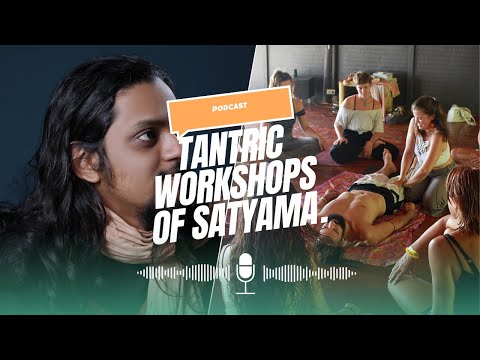
Tantric workshops of satyama.

'Tantric Quest' by Daniel Odier: A Book Review with Ben
Most Viewed Videos


Last updated: October 10, 2026








Leave a Reply