Origins and Mythic Roots
Jwalamukhi, whose name literally means “flame-faced”, is revered in Hindu tradition as a powerful manifestation of the goddess Shakti. Legends trace her emergence to the moment when the cosmic fire, Agni, was needed to burn the darkness that threatened the universe. In several Purāṇas she is described as the daughter of Lord Shiva and the fierce aspect of Parvati, created to consume evil and illuminate the path for devotees.
Iconography and Symbolism
The deity is typically depicted with a radiant halo of fire surrounding her head, holding a torch or a blazing sword. Her skin tone is often portrayed as a deep crimson, symbolizing the transformative power of flame. The fire that emanates from Jwalamukhi is not destructive in the ordinary sense; rather, it represents purification, renewal, and the destruction of ignorance.
Major Pilgrimage Sites
Across the Indian subcontinent, several temples honor Jwalamukhi, each with distinct rituals that emphasize the element of fire.
- Jwalamukhi Temple, Himachal Pradesh – Nestled in the Kangra valley, this shrine is famed for its natural flame that erupts from a fissure in the rock.
- Kashipur Jwalamukhi, Uttarakhand – Pilgrims gather here during the annual Jwalamukhi Yatra to witness the sacred fire dance performed by priestesses.
- Jwala Devi, Odisha – Known for its midnight aarti where devotees offer ghee to sustain the ever‑burning flame.
Ritual Practices
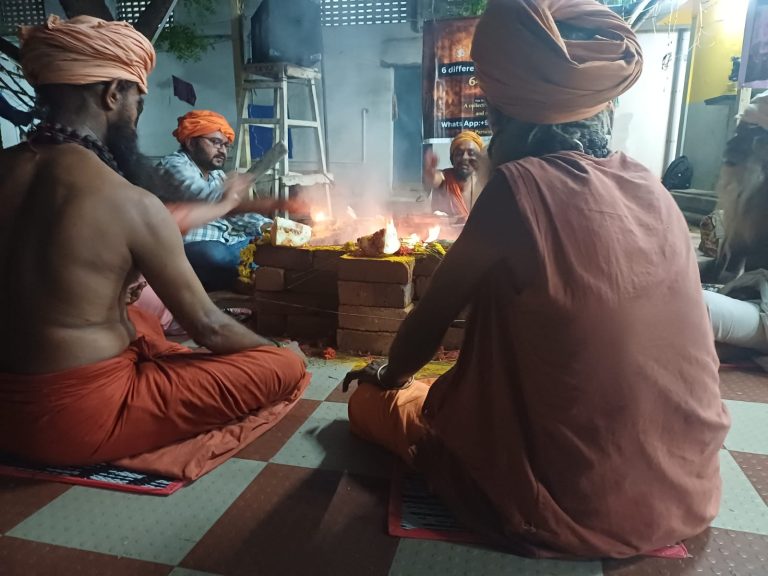
Worship of Jwalamukhi centers on fire‑based rites. Offerings typically include ghee, sesame seeds, and camphor. The most important ceremony, called Agni Pradakshina, involves circumambulating the fire pit while chanting mantras that invoke the goddess’s protective energy.
Philosophical Significance
Beyond the literal element, Jwalamukhi embodies the inner fire that fuels spiritual awakening. Yogic traditions speak of the agni chakra, the digestive fire that converts physical sustenance into vital energy. By meditating on Jwalamukhi, practitioners aim to ignite this inner blaze, turning obstacles into opportunities for growth.
Contemporary Relevance
In modern times, environmentalists have adopted Jwalamukhi as a symbol for sustainable energy, drawing parallels between the ancient reverence for fire and today’s quest for clean power. Cultural festivals featuring fire dances and lantern releases keep the goddess’s spirit alive in urban settings, bridging tradition with contemporary expression.
Frequently Asked Questions
What does the name Jwalamukhi mean?
It means “flame-faced” and refers to the goddess’s fiery appearance.
Where is the most famous Jwalamukhi temple located?
In the Kangra valley of Himachal Pradesh, India.
Which element is central to Jwalamukhi worship?
Fire, represented by continuous sacred flames.
What is the primary offering to Jwalamukhi?
Ghee, sesame seeds, and camphor.
How does Jwalamukhi relate to yogic philosophy?
She symbolizes the inner agni chakra that transforms energy within the body.
Test Your Knowledge and Win Coupons to Get Discounts
Have a correction or improvement to suggest?
Log in or create a free accountRelated Videos

Sacred Fire Journey: 64 Havans at 64 Shakti Peeths Explained

How Simple Rituals Like Fire and Essential Oils Can Connect You to Your Intuition!

#101 Chausath yogini temple @Hirapur Yogini No-51 Jwalamukhi

#152 Agni is the loard of krithika. The inflamable intense nakshatra . 3-27

Awakening The Goddess (Ai generated )

Plasu (Flame of the forest) The tree of pooram nakshatra

What It Really Means to Be a Healer Energy, Vibes, and Transformation

Explore the profound realms of female energy manifestation and sexual energy utilization.









Leave a Reply