Introduction
Karkotaka is one of the most intriguing Naga kings in Hindu lore. Unlike the more famous Vasuki or Takshaka, Karkotaka’s stories intertwine divine curses, royal intrigue, and ancient medicinal practices.
Mythological Narrative
The most celebrated episode involves the Pandava prince Nala. After losing his kingdom in a dice game, Nala encounters Karkotaka in the forest. The serpent king, offended by Nala’s reckless behavior, bites him with a venom that transforms the prince’s appearance into that of an ugly dwarf.
This curse, however, is a disguised blessing. The venom carries a hidden antidote that protects Nala from later poisons and grants him immunity to other serpents’ bites. Guided by Karkotaka’s counsel, Nala adopts the name Bahuka, serves King Rituparna, and eventually regains his true form through perseverance and divine grace.
Iconography and Worship
Visual Depictions
Artistic renderings typically show Karkotaka as a massive cobra crowned with jeweled headgear, coiled around a throne of intertwined serpents. He is often painted with a vibrant emerald hue, symbolising both his toxic power and his role as a healer.
Ritual Practices
In several South Indian temples, devotees offer milk and turmeric to a stone idol of Karkotaka, seeking protection from snake bites and relief from skin ailments. The ritual often concludes with the chanting of the “Karkotaka Stotra,” a hymn that praises his dual nature as destroyer and saviour.
Symbolic Meaning
Karkotaka embodies the principle that danger can contain cure. His venom, when administered correctly, becomes a medicinal agent—a concept that parallels Ayurveda’s use of snake venom in controlled doses.
Moreover, his interaction with Nala illustrates the Hindu belief in karma’s fluidity: a moment of misfortune may conceal a future boon, provided the seeker remains dutiful.
Regional Variations
In the folk traditions of Karnataka, Karkotaka is worshipped as a guardian of rice fields, protecting crops from pestilent snakes. In contrast, in parts of Maharashtra, he is invoked during “Nag Panchami” to ensure the safety of children playing outdoors.
How to Honor Karkotaka Today
Modern practitioners can incorporate Karkotaka’s energy by meditating on the serpent’s coiled form, visualising the transformation of toxicity into healing. Simple offerings of sandalwood paste and a pinch of sea salt are believed to appease the deity.
Frequently Asked Questions
Who cursed Nala with Karkotaka’s bite?
Karkotaka himself cursed Nala, but the venom also contained a hidden cure.
What is the primary symbol associated with Karkotaka?
A coiled cobra crowned with jewels.
During which Hindu festival is Karkotaka especially revered?
Nag Panchami
Which ancient Indian medical system uses snake venom in a way similar to Karkotaka’s legend?
Ayurveda
Test Your Knowledge and Win Coupons to Get Discounts
Have a correction or improvement to suggest?
Log in or create a free accountRelated Videos

Giving offering to serpent energies on naga panchami. #nakshatravanam

Vedic Reading Series Episode No. 18: 'The Serpent Wisdom' with Valentina Leo – Hasta Nakshatra

I love snake cause it is symbol of #kundalini from #magic.

#1 -#9 Planet Sun(Surya: The Radiant King of Planets)
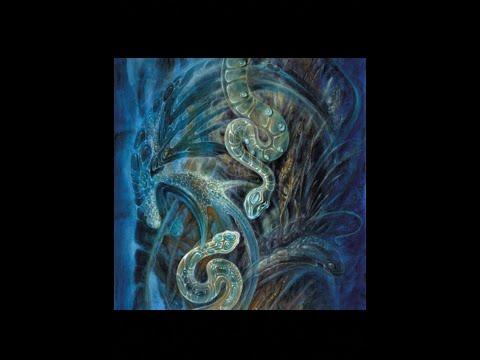
The Serpent Wisdom

I Performed The Japanese *Hitori Kakurenbo* Ritual at 3:33 am 💀 *Ghost caught on camera* 😰

#164 The healing and medicinal values of the black pepper plant.

Cannabis, Soma, and the Divine: Ancient Wisdom on Psychedelics






Leave a Reply