Introduction to Skandamata
Skandamata, one of the nine forms of the divine Mother Durga, is celebrated as the loving mother who carries her son Kartikeya (also known as Skanda) on her lap. The name itself translates to “Mother of Skanda,” highlighting her role in nurturing the war‑god who leads the celestial armies against demonic forces.
Mythological Roots
According to the Devi Mahatmya and various Puranic texts, Skandamata emerged after the fierce battle between the gods and the demon Tarakasura. The gods needed a powerful offspring to defeat the demon, and the supreme goddess birthed Skanda. Skandamata’s devotion and protective instincts are emphasized when she cradles the newborn Skanda, symbolizing the union of maternal love and divine strength.
Symbolism Behind the Iconography
Statues and paintings typically depict Skandamata with four arms, holding a lotus, a trident, a bow, and the infant Skanda. Each element carries meaning:
- Lotus – purity and spiritual awakening.
- Trident – the power to destroy ignorance.
- Bow – readiness for righteous action.
- Infant Skanda – the continuation of divine purpose.
The gentle pose underscores compassion, while the weapons remind devotees of the goddess’s readiness to protect her devotees.
Worship Practices and Rituals
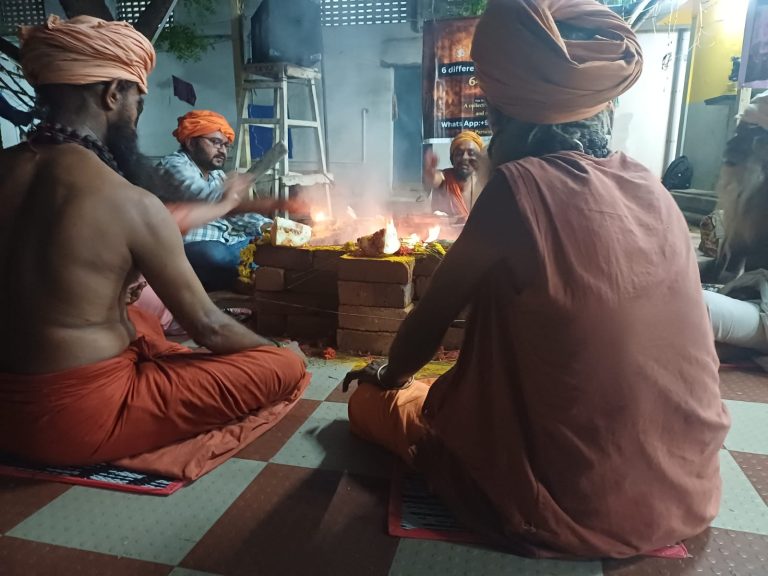
Skandamata is especially revered during the Navaratri festival, on the sixth day dedicated to her. Devotees offer red hibiscus, incense, and sweets such as laddu. Chanting the mantra “Om Skandamataye Namaha” is believed to invoke her blessings for courage and protection.
In many households, a small image of Skandamata is placed in the puja room, and families perform a simple daily aarti invoking the goddess’s grace for the wellbeing of children and the success of their endeavors.
Major Temples and Pilgrimage Sites
While Skandamata does not have as many exclusive temples as other Navadurga forms, several important shrines honor her within larger Durga complexes:
- Skandamata Temple, Varanasi – located near the Ganges, this shrine is renowned for its serene atmosphere and early morning rituals.
- Shakti Peetha, Kankhal (Haridwar) – a dedicated sanctum for Skandamata within the larger complex celebrates her role as a mother‑goddess.
- Durga Temple, Kolkata – during Navaratri, a special altar is set up for Skandamata, drawing thousands of devotees.
Pilgrims often combine visits to these sites with worship of other Navadurga forms, creating a holistic experience of the divine feminine.
Skandamata in the Context of Navadurga
Each Navadurga embodies a distinct facet of the universal mother. Skandamata represents the nurturing aspect, reminding worshippers that divine power is also expressed through love, care, and the safeguarding of the next generation. Her presence balances the more militant forms like Kali and Ugra Tara, illustrating the comprehensive nature of Shakti.
Festivals and Observances
Beyond Navaratri, Skandamata is celebrated on Skanda Sashti, a fast observed by devotees of Kartikeya. Women often observe this day with fasting and special prayers, seeking the goddess’s blessings for a harmonious family life and the protection of children.
Conclusion
Skandamata’s devotion, strength, and maternal warmth make her a beloved figure for seekers who value both protection and compassion. Whether through daily home worship, participation in Navaratri, or pilgrimages to her temples, honoring Skandamata offers a path to inner courage and nurturing guidance.
Frequently Asked Questions
What does the name Skandamata literally mean?
Mother of Skanda (Kartikeya).
Which day of Navaratri is dedicated to Skandamata?
The sixth day.
What are the typical items offered to Skandamata during worship?
Red hibiscus flowers, incense, and sweets like laddu.
In which major festival is Skandamata especially revered alongside Kartikeya?
Skanda Sashti.
Test Your Knowledge and Win Coupons to Get Discounts
Have a correction or improvement to suggest?
Log in or create a free account






Leave a Reply